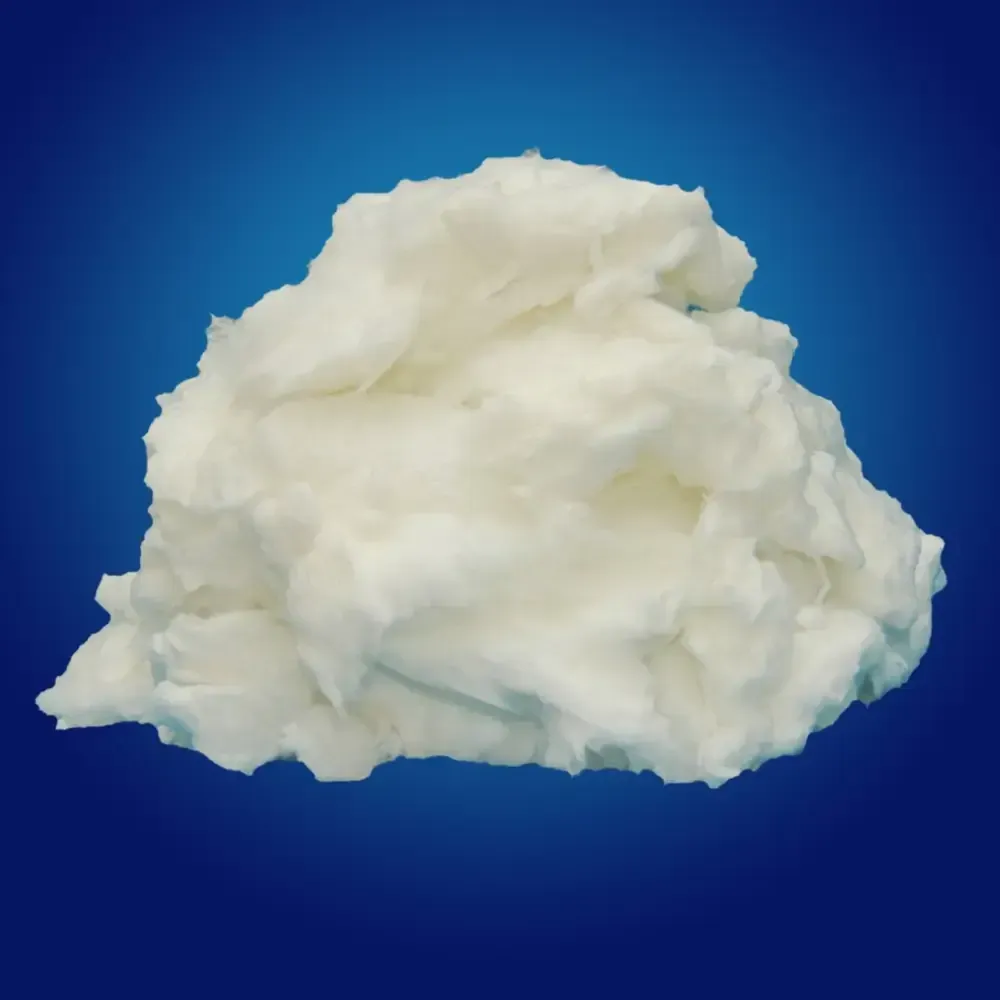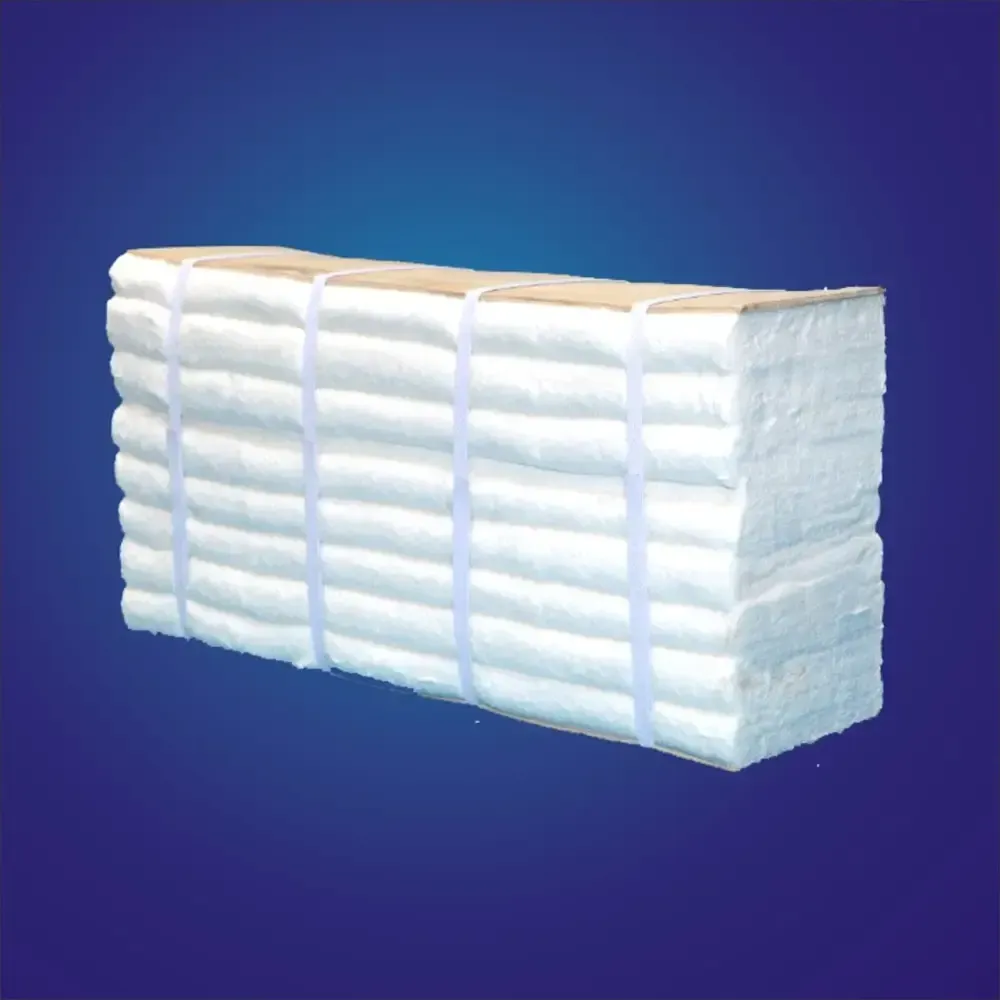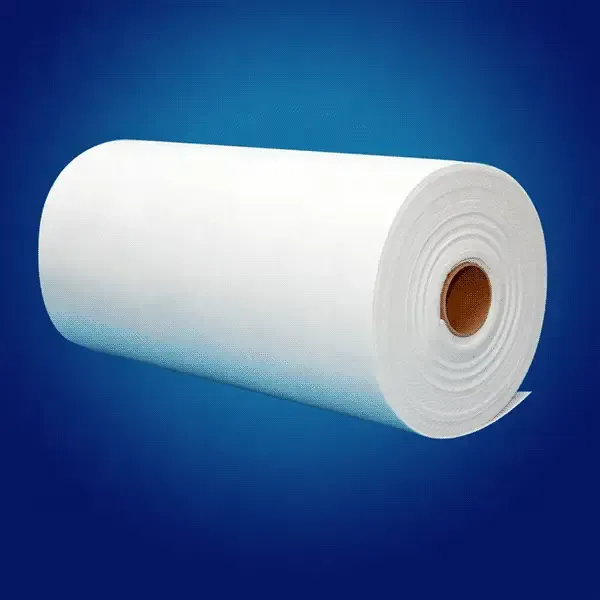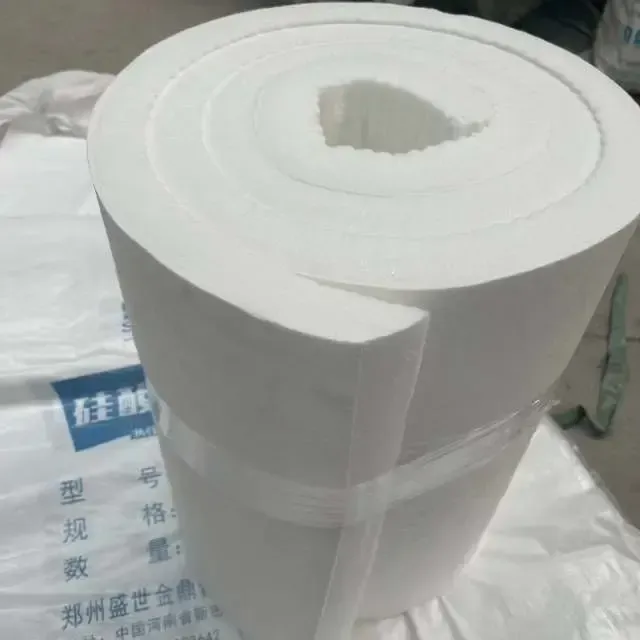
Ceramic Fiber
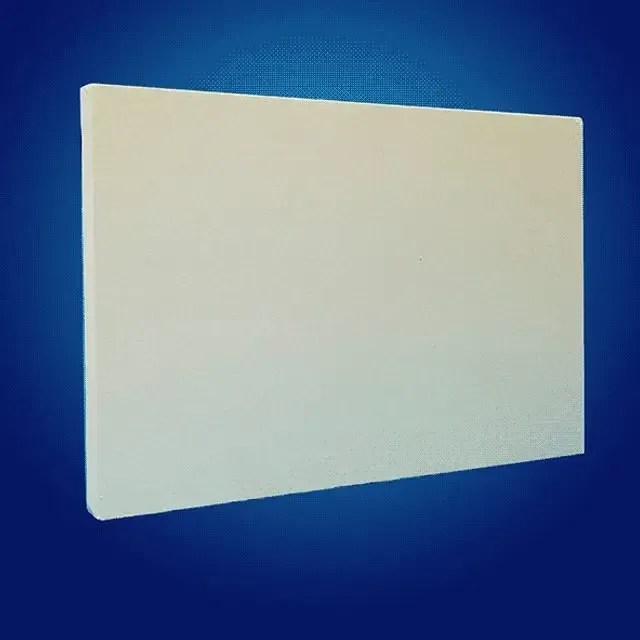
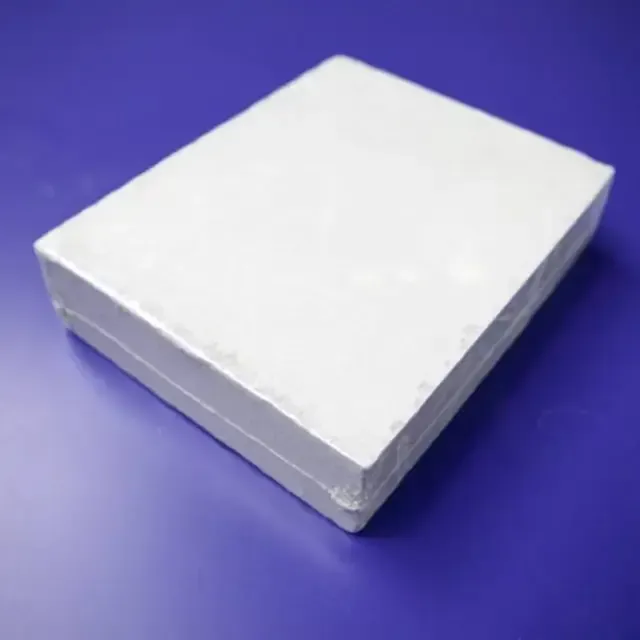
Ceramic Fiber Board
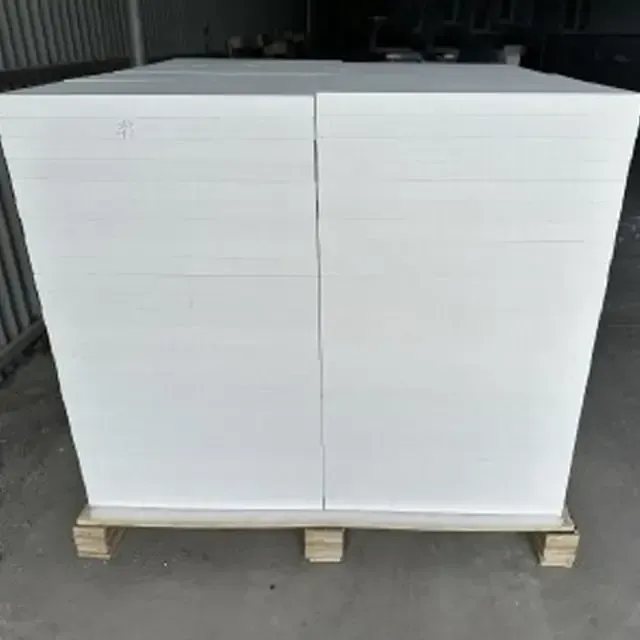
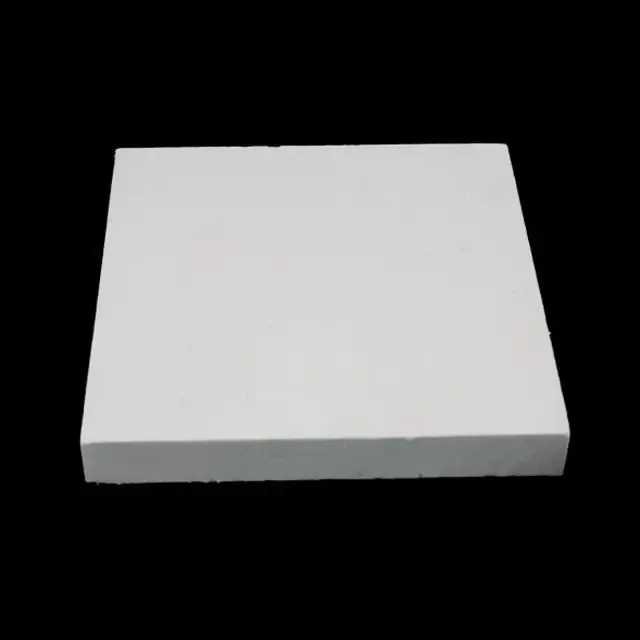
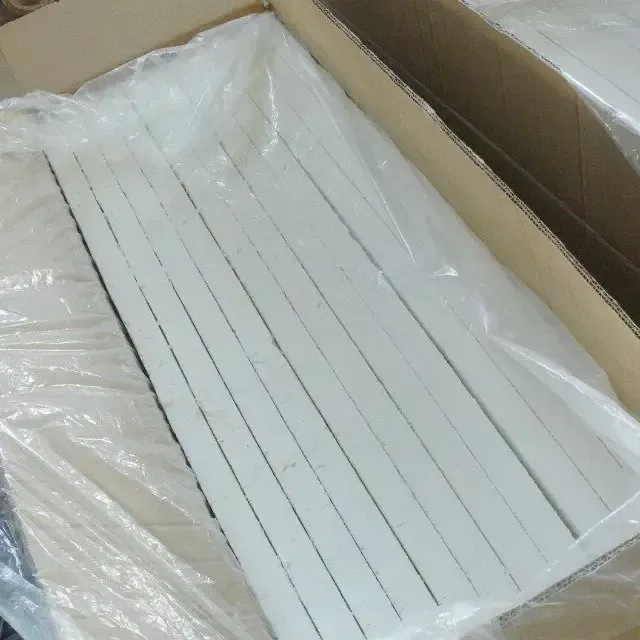
Rigid ceramic fiber board to 1430 °C, cut to shape for furnace hot faces, flue linings and backups.
Our Materials
Rosetexwool has manufactured high-temperature, fireproof and refractory insulation since 1982: ceramic fiber, rock wool, calcium silicate, aerogel and glass wool across 27 product lines.
27 products across 5 material families
No products in this category.
Material Categories
Our insulation products are organised into five material families, each serving a different temperature range and industrial environment:
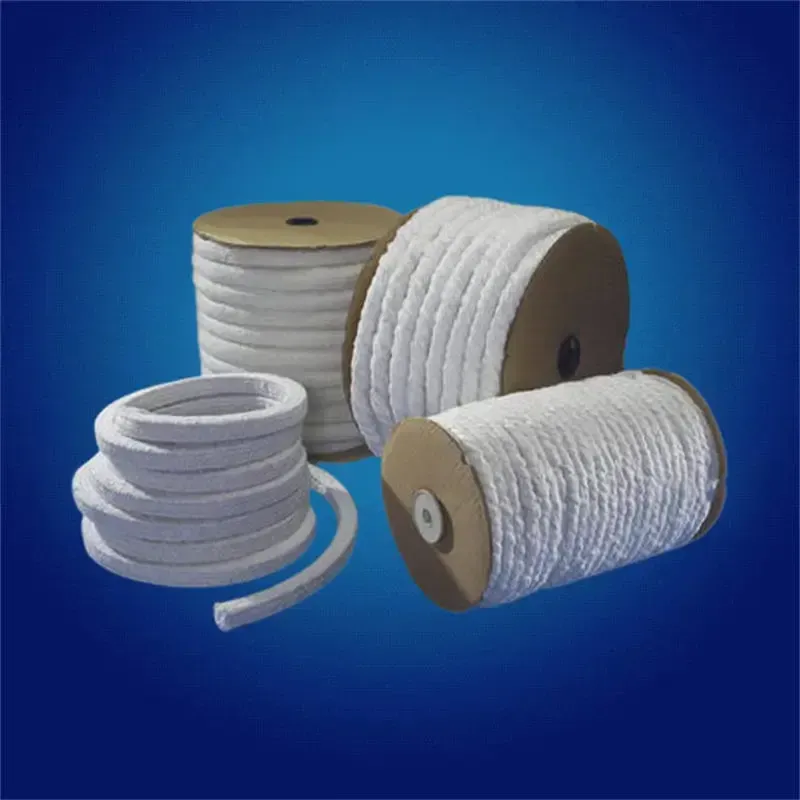
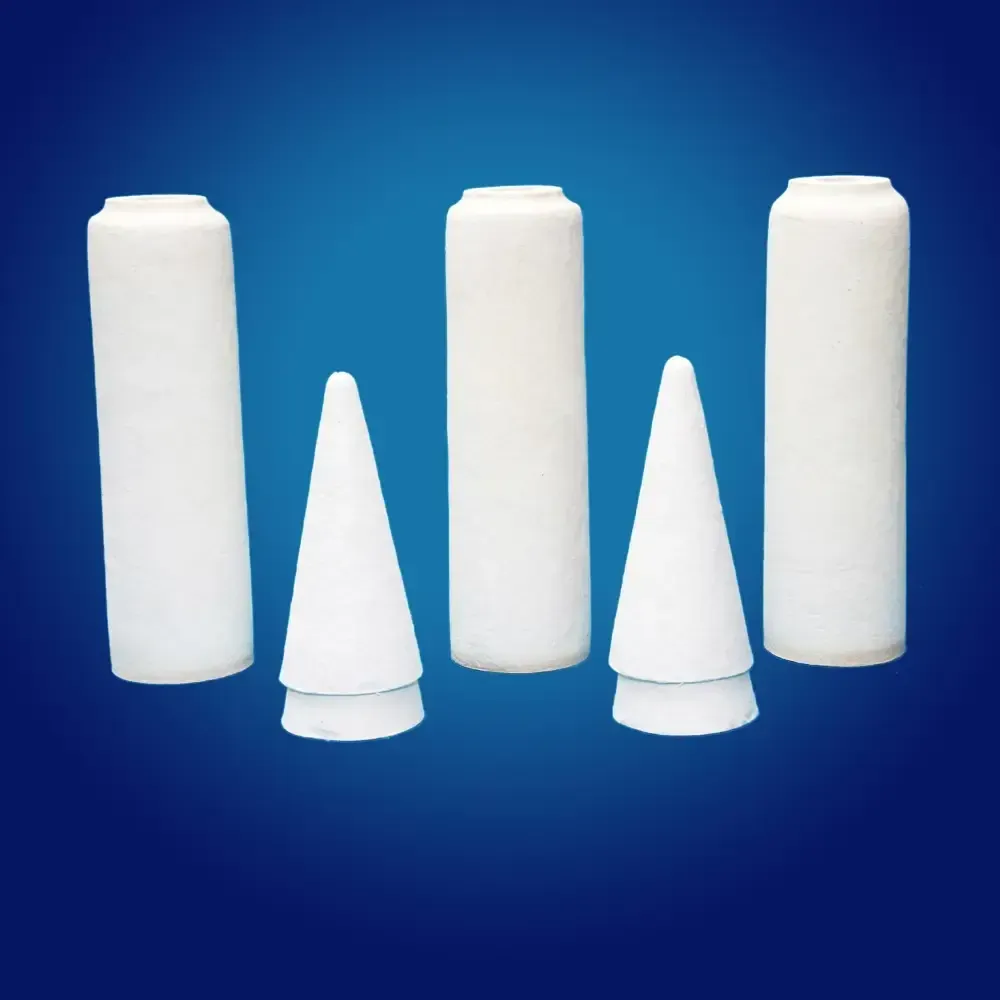
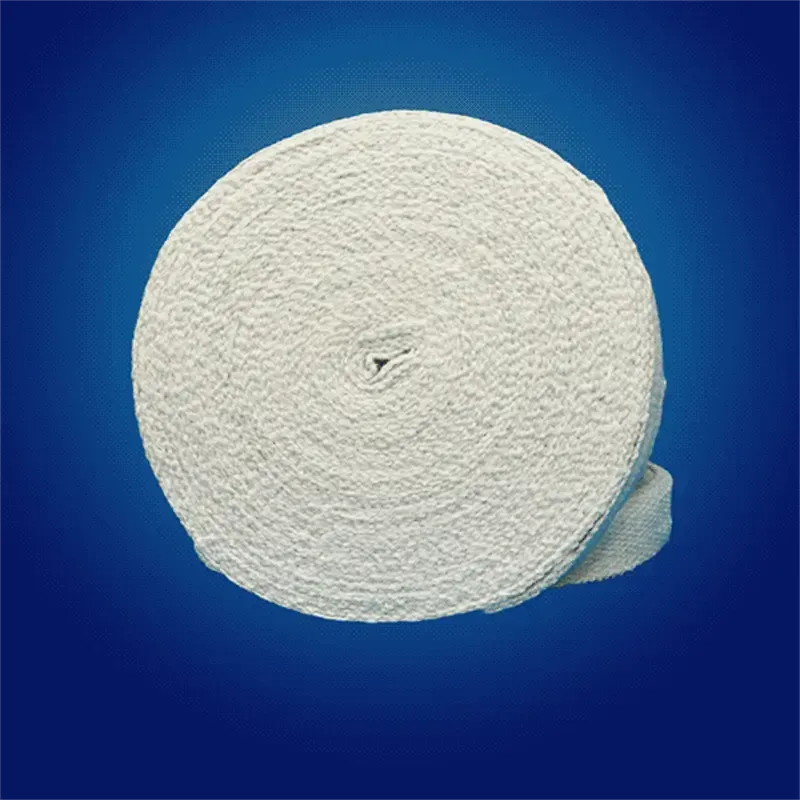
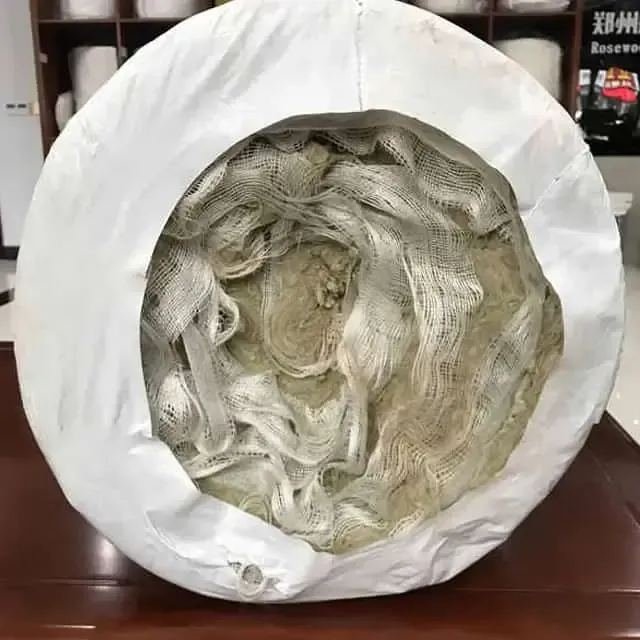
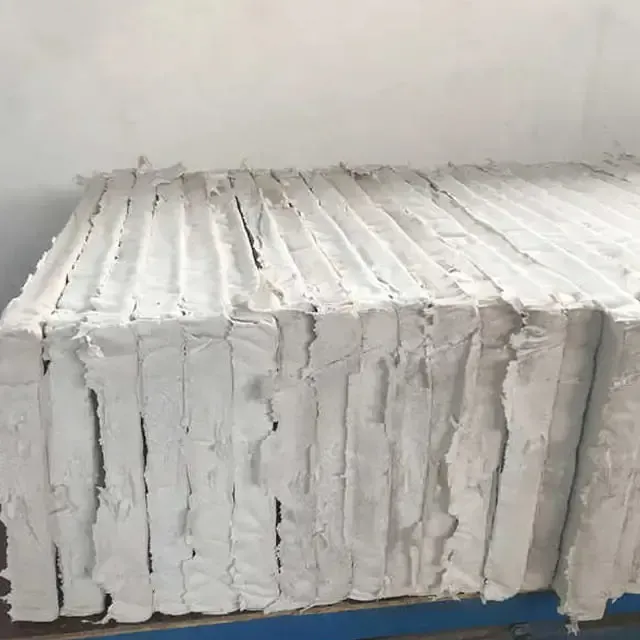
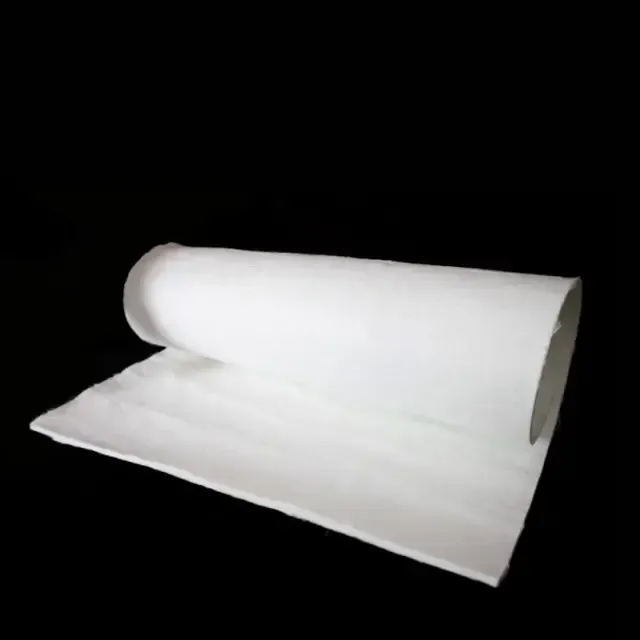
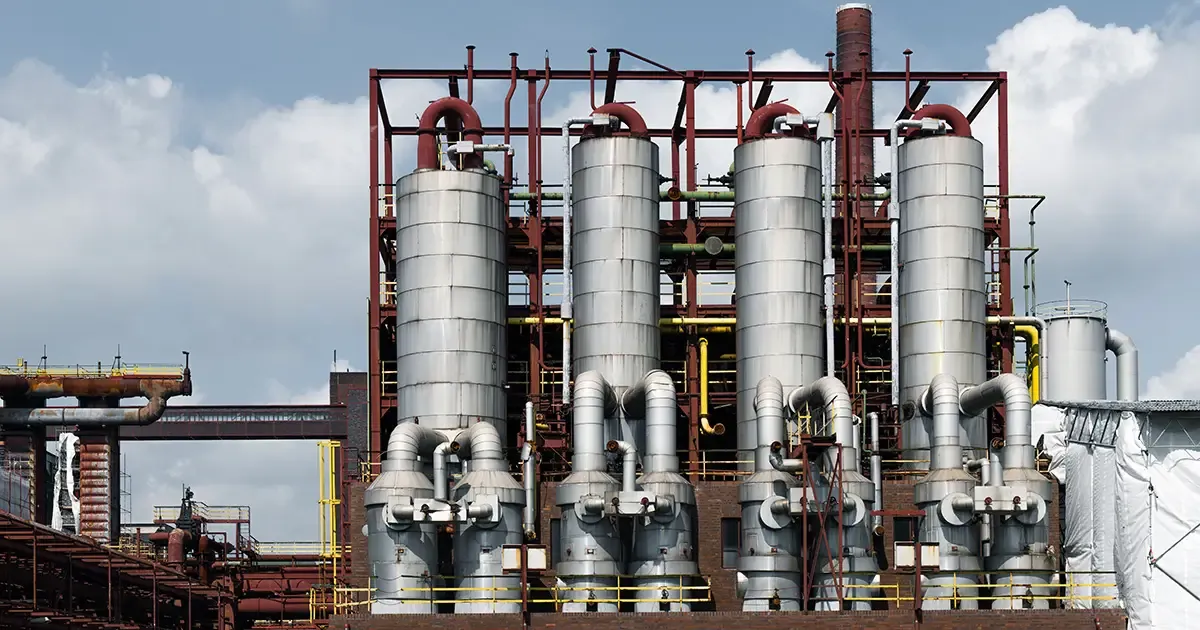
Alumina-silicate fiber products: blankets, boards, modules, paper, cloth, tape, rope and vacuum-formed shapes. Used for furnace linings, expansion joints and high-temperature sealing in petrochemical reformers, cracking furnaces and steel reheat furnaces. See the full range of ceramic fiber insulation blankets, boards and modules.
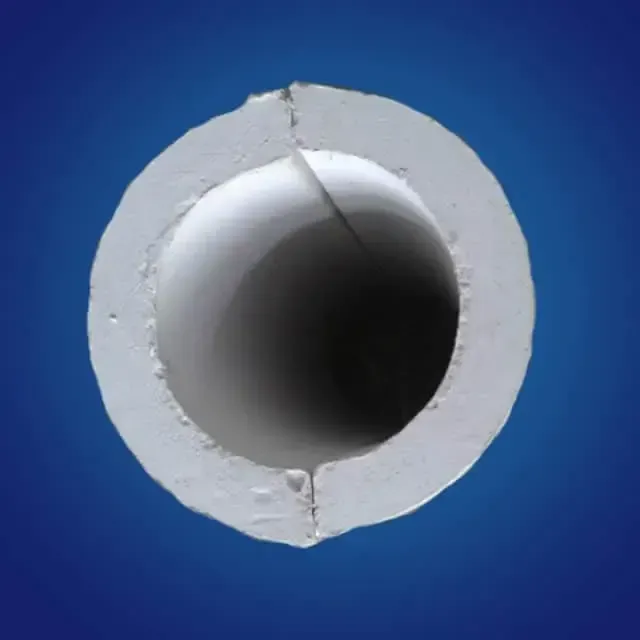
Boards and pipe sections with high compressive strength and low thermal conductivity. Moisture-resistant and asbestos-free, specified as backup insulation in cement kilns, aluminium smelters and power station steam piping. Compare calcium silicate insulation board and pipe sections.
Aerogel blankets and microporous boards with the lowest thermal conductivity in the range, for retrofits where every millimetre of thickness counts. Start with the nano aerogel insulation blanket.
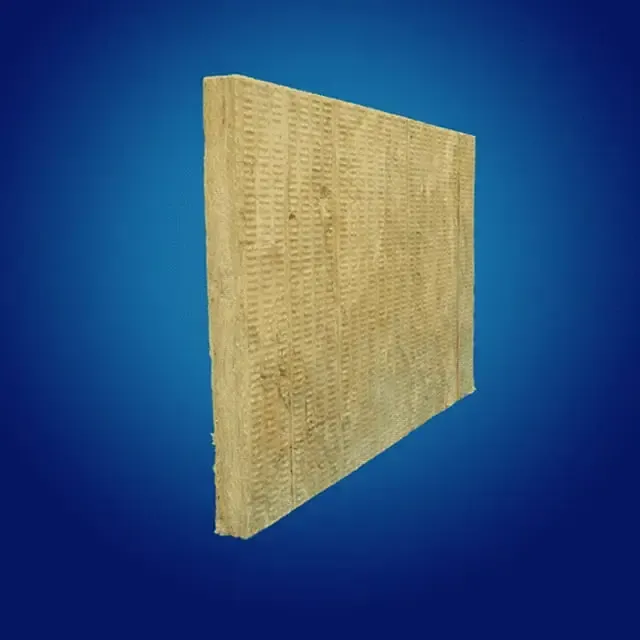
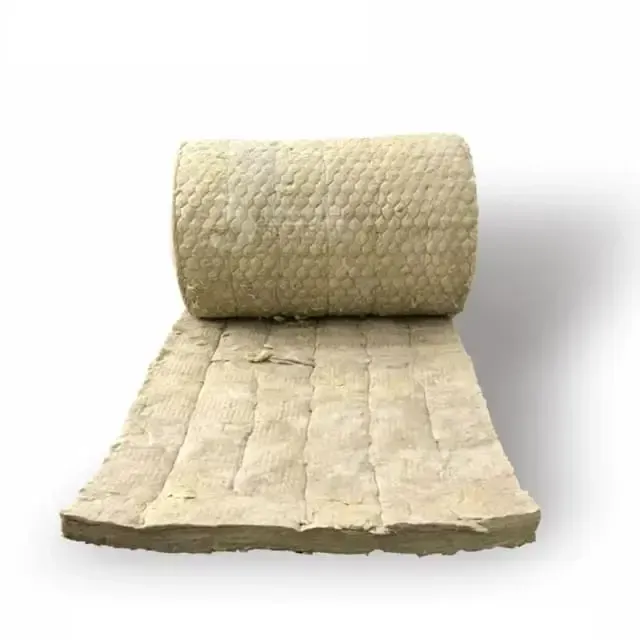
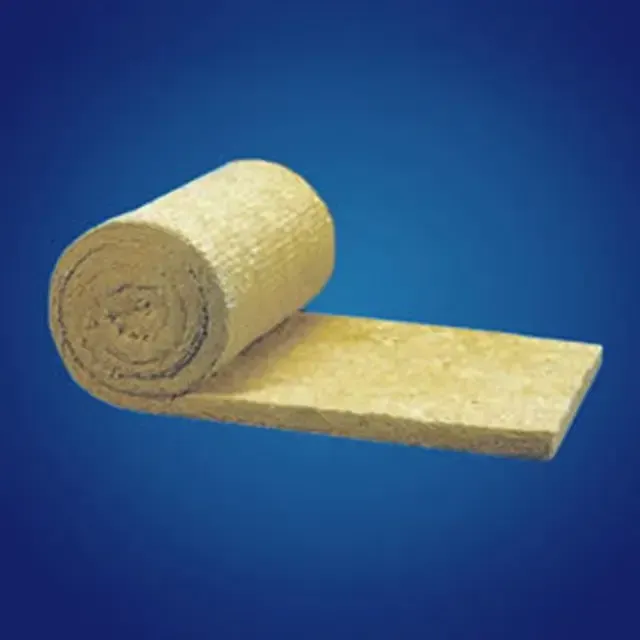
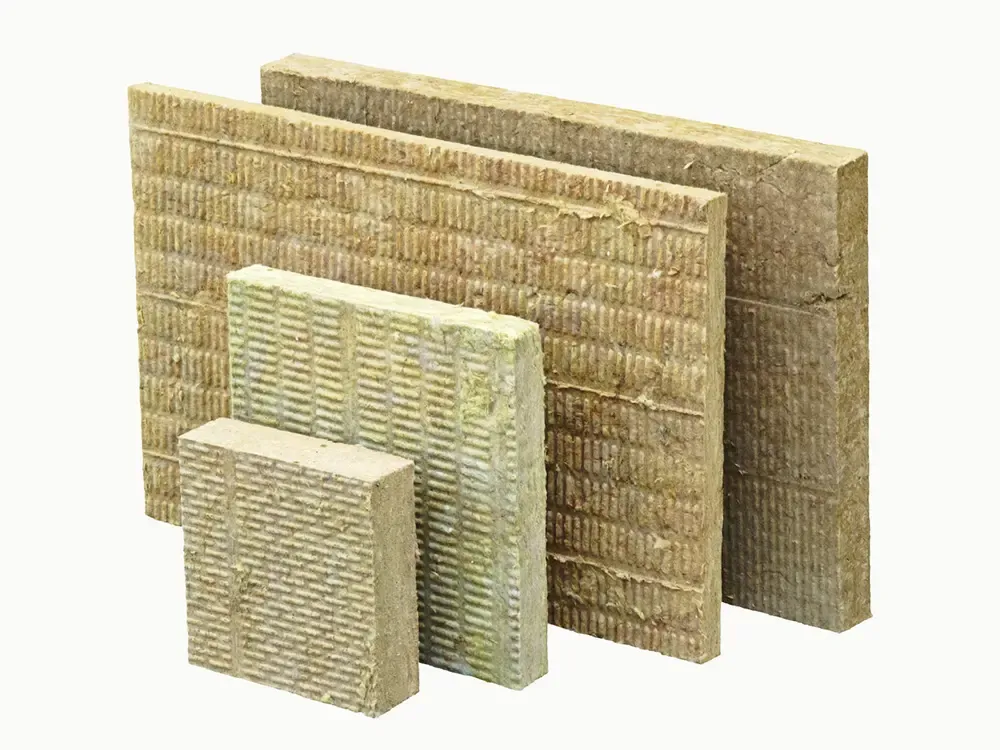
Non-combustible basalt wool for thermal and acoustic insulation: boards, blankets, pipe sections, wired mats and acoustic panels for power plant boilers, storage tanks, HVAC ducting and building fire protection. See rockwool insulation slabs, blankets and pipe sections.
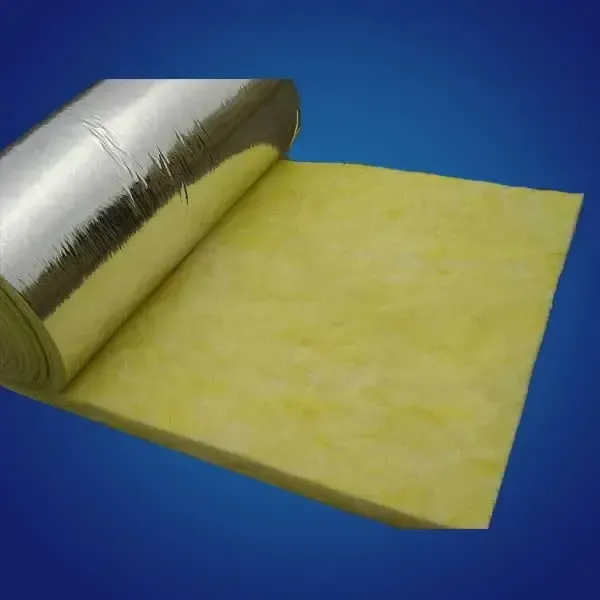
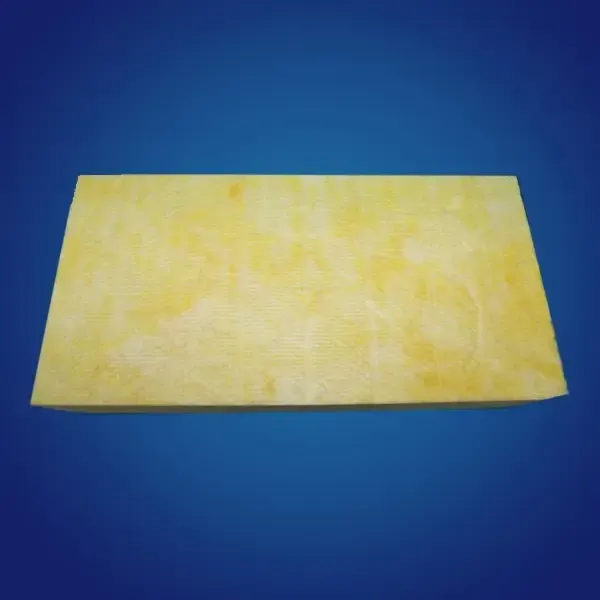
Lightweight glass wool for HVAC ducting, building envelopes and acoustic control, supplied as blankets and boards for general thermal and sound insulation. See glass wool insulation blankets and boards.
Send your specifications and we will recommend the right insulation system.
Rosetexwool makes ceramic fiber, rock wool, calcium silicate, aerogel and glass wool products for continuous service from 650 °C to 1430 °C, and to 1900 °C in polycrystalline mullite grades. Each family covers a different duty: ceramic fiber for furnace hot faces and expansion joints, rock wool for boilers, tanks and acoustic work, calcium silicate where the lining has to carry load or resist moisture.
These materials are specified in petrochemical reformers, steel reheat furnaces and power-plant boilers. Every shipment is tested to the fire-safety standards listed on its product page and leaves the plant with a mill test certificate.
Refractory work is the part of a plant that meets molten metal, slag and flame directly. Our refractory range covers ceramic fiber shapes and boards, dense calcium silicate, and vacuum-formed components for furnace hot faces, ladle backups and kiln transition zones.
If you are sourcing a refractory supplier for a lining, a module set or a custom shape, we quote from your drawing or operating data: grade, density, thickness and fixing detail. Refractory and insulation can ship together on one order.
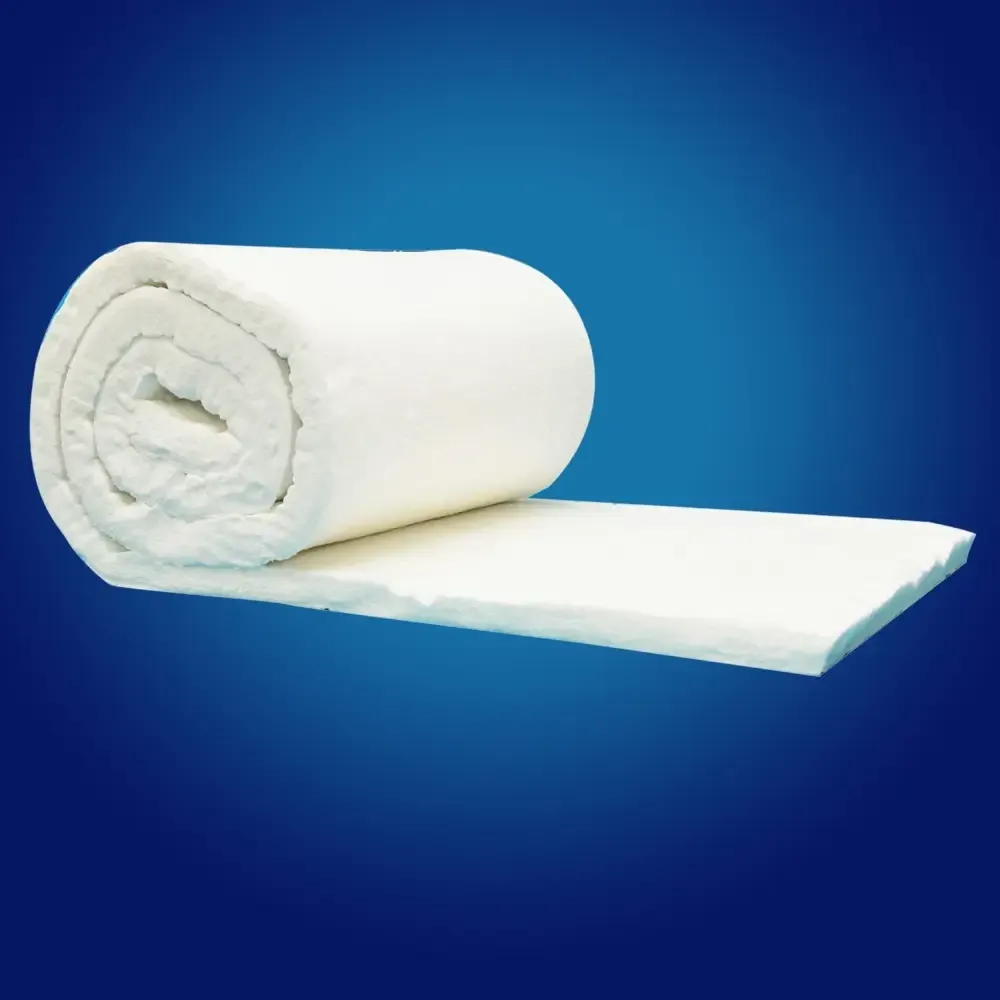
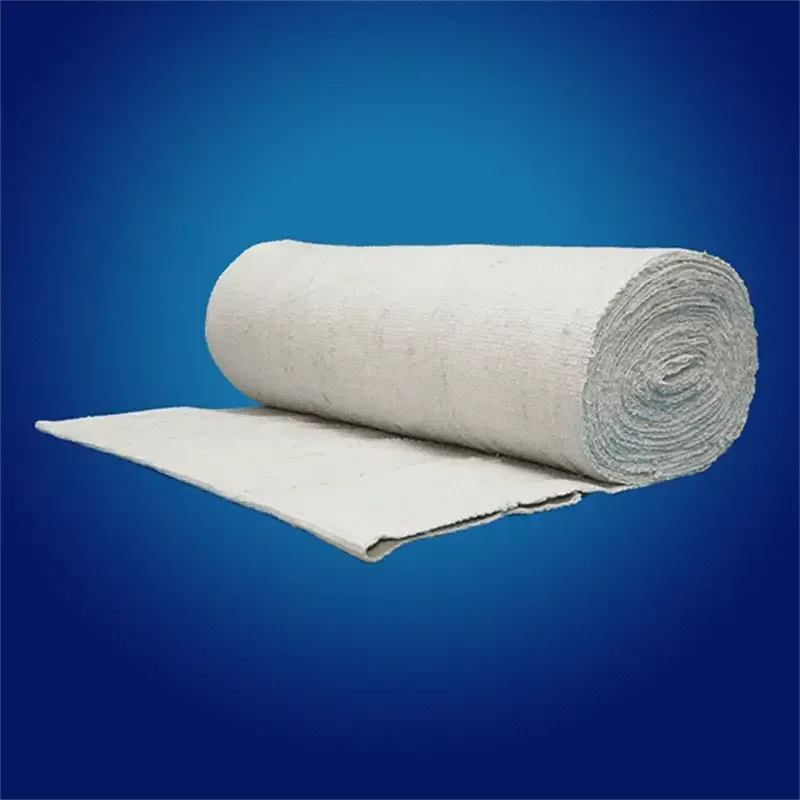
We produce ceramic fiber blankets (1260 °C, 1400 °C, and 1430 °C grades), boards, modules, paper, cloth, tape, rope, bulk fiber, and vacuum-formed special shapes. All products are manufactured from high-purity alumina-silicate raw materials and are asbestos-free. Ceramic fiber blanket is available in densities from 96 to 160 kg/m³ and thicknesses from 6 mm to 50 mm.
Rock wool (made from basalt) is rated to approximately 650 °C and is more cost-effective for lower-temperature applications such as pipe insulation, building fireproofing, HVAC, and tank insulation. Ceramic fiber (alumina-silicate) withstands up to 1430 °C and is used for furnace linings, kilns, expansion joints, and extreme-temperature industrial processes. Rock wool has higher density (typically 60-200 kg/m³), while ceramic fiber is lighter (96-160 kg/m³) but handles far higher temperatures.
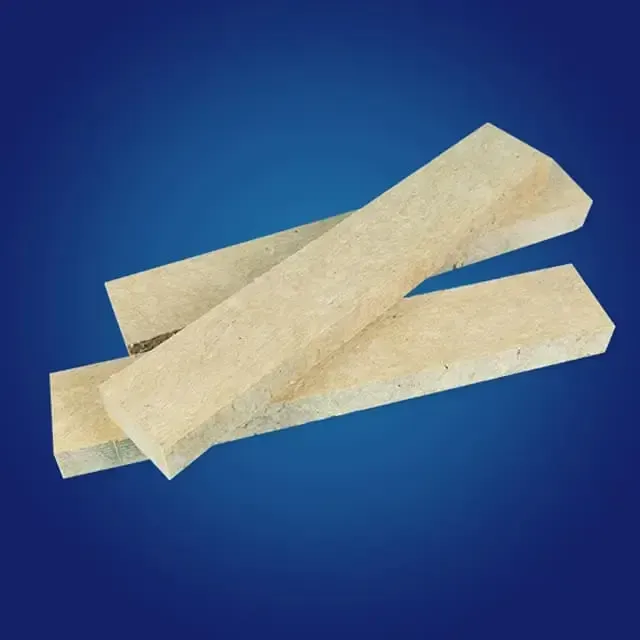
Ceramic fiber boards: 10-50 mm thickness, 260-400 kg/m³ density. Calcium silicate boards: 25-100 mm thickness, 200-270 kg/m³ or high-density up to 600-1000 kg/m³. Rock wool boards: 25-100 mm thickness, 60-200 kg/m³. We also produce custom sizes to your specifications — simply provide dimensions and operating conditions.
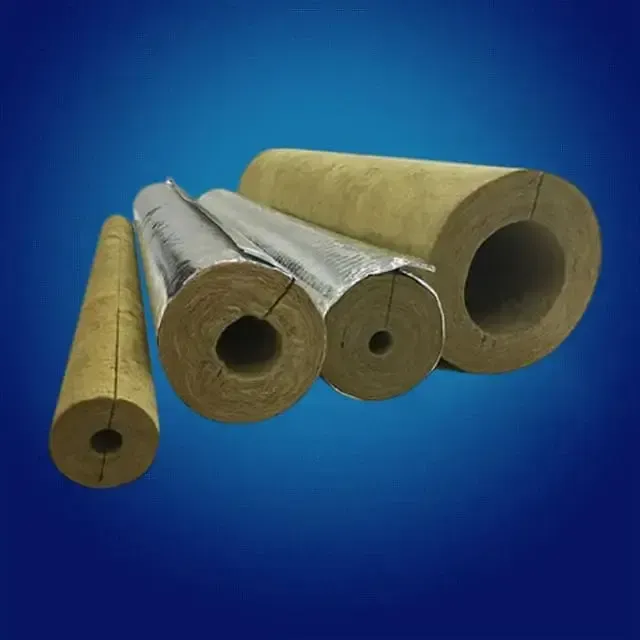
Yes. We manufacture pre-formed pipe sections in calcium silicate, rock wool, and ceramic fiber for pipe diameters from 15 mm to 1220 mm (½" to 48"). Sections are precision-cut for a tight fit and can include aluminium or stainless steel jacketing. Please provide pipe diameter, insulation thickness, and operating temperature.
Selection depends on three factors: (1) Maximum operating temperature — match your peak temperature to the material rating (650 °C for rock wool, 1100 °C for calcium silicate, 1430 °C for ceramic fiber). (2) Mechanical requirements — calcium silicate for compressive strength, ceramic fiber for thermal shock resistance, aerogel for space-constrained areas. (3) Environmental conditions — consider moisture, chemical exposure, and cycling frequency. Contact our engineers for a free recommendation with your operating data.
Yes. All Rosetexwool insulation products are classified as non-combustible (Class A1 or A2 per EN 13501-1). Ceramic fiber and rock wool products meet ASTM E136, NFPA 285, and IMO FTP Code requirements. We provide material test certificates with every shipment including thermal conductivity, density, and linear shrinkage test data.
We supply high temperature insulation materials rated from 650 °C to 1430 °C — ceramic fiber blankets and boards, rock wool slabs, calcium silicate sections, and nano aerogel. All are non-combustible and ISO-certified for furnaces, boilers, and petrochemical units.
Yes. Our fireproof insulation is Class A1 non-combustible and built for high-heat duty up to 1430 °C. Ceramic fiber and rock wool lines resist flame, slag, and thermal shock without emitting smoke or losing strength.
Both. Rosetexwool is a refractory materials manufacturer and a global refractory supplier. We produce refractory products in-house — ceramic fiber boards, modules and vacuum-formed shapes — and support cut-to-size and technical service worldwide.
Our refractory products include ceramic fiber blankets, boards and modules, dense calcium silicate boards, and vacuum-formed shapes — engineered to resist molten metal, slag, and sustained high heat in steel, cement, and power plants.
Our high temp insulation spans 650 °C (rock wool) to 1430 °C (ceramic fiber), with polycrystalline mullite grades to 1900 °C. Calcium silicate serves to 1100 °C. Choose the grade by your peak operating temperature, and we will recommend the right system.