Highest temperature grade ceramic fiber family using advanced polycrystalline mullite (3Al₂O₃·2SiO₂) fibers delivering exceptional thermal stability from 1600℃ to 1900℃.
What Is Polycrystalline Mullite Fiber Board?
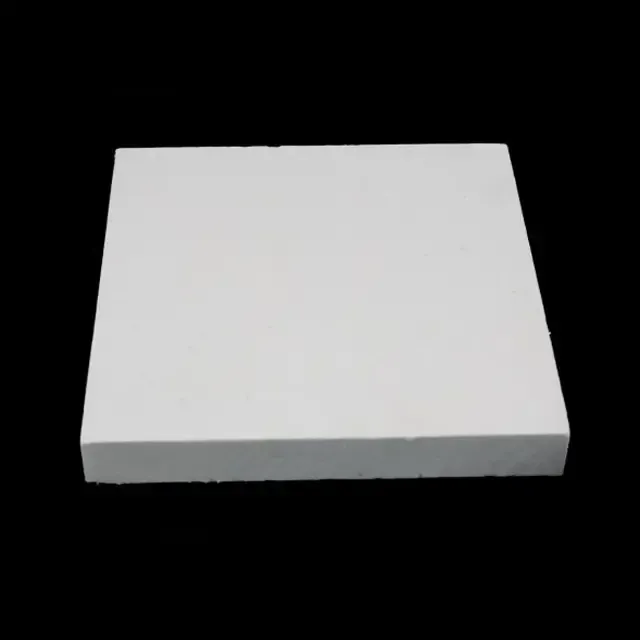
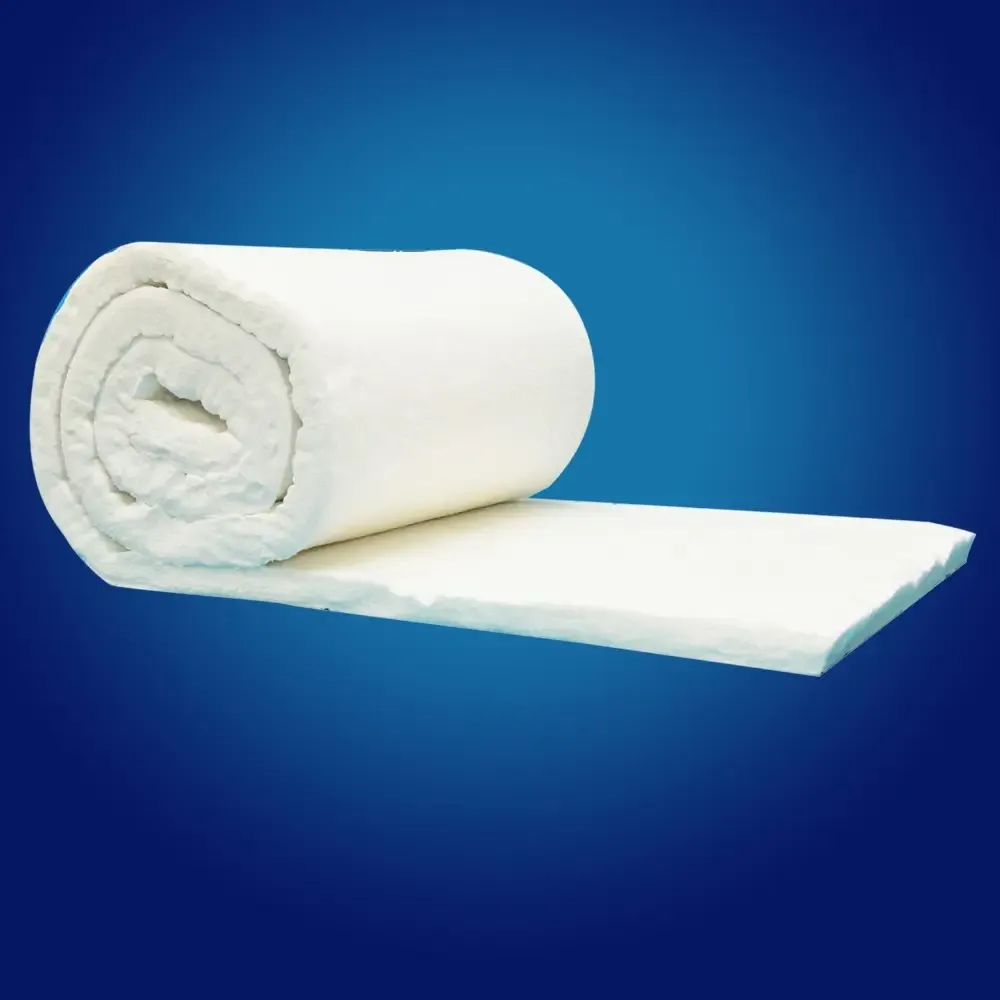
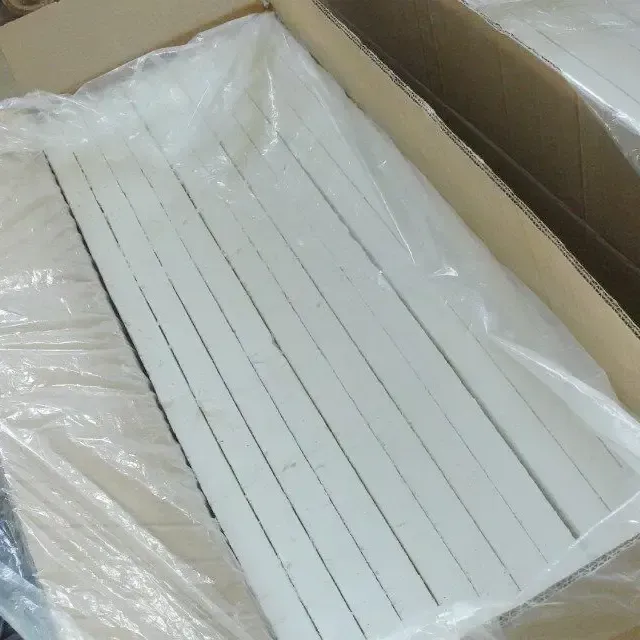
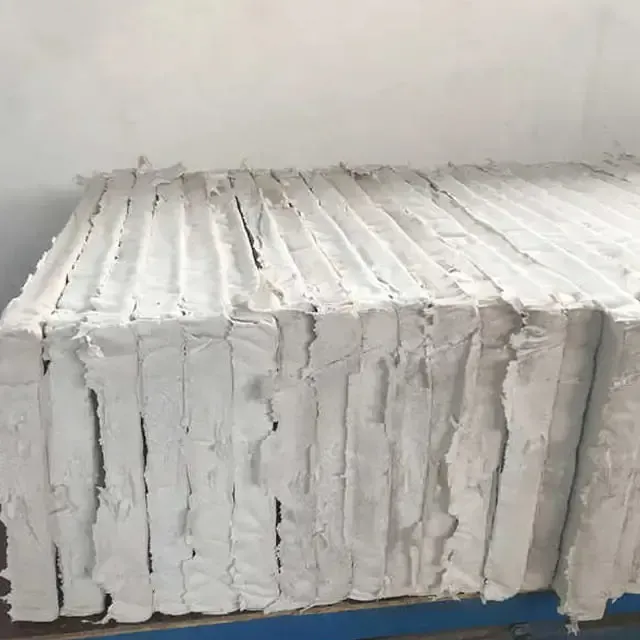
Polycrystalline mullite fiber board is a rigid, ultra-high-temperature insulation made from high-alumina polycrystalline fibre, for service beyond the limit of standard ceramic fibre — furnaces, kilns and reactors above 1400°C.
Key Technical Specifications
| Property |
Value |
| Maximum service temperature |
classification up to 1800°C; maximum service up to 1500–1650°C |
| Density |
300–600 kg/m³ |
| Thermal conductivity |
0.15–0.35 W/(m·K) at 800–1200°C mean |
| Standard thickness |
6–100 mm |
| Standard dimensions |
600×900 mm, 1000×1200 mm and custom |
| Fire classification |
Non-combustible (refractory ceramic fibre) |
| Composition |
polycrystalline mullite (Al₂O₃ 72–83%, Al₂O₃+SiO₂ ≥ 99%) fibre, inorganic binder |
| Standards |
ASTM C1786 (mullite fiber products) |
Properties & Advantages
- Highest temperature grade in the fiber family
- Minimal shrinkage and deformation at 1500°C+
- Rigid, machinable and self-supporting
- Excellent chemical and erosion resistance
- Asbestos-free, very low impurity
Typical Applications
- Ultra-high-temperature furnaces (>1400°C)
- Ceramic kilns, tunnel and roller kilns
- Petrochemical cracking furnaces
- Laboratory and test furnaces
Installation & Handling
Cut with a carbide blade, seat against the lining and support vertically. Use ceramic anchors rated for the service temperature; avoid mechanical shock on thin sections.
Standards & Compliance
Manufactured to ASTM C1786 (mullite fiber products) and controlled under a documented quality system. Supplied by a manufacturer holding ISO 9001, CE and SGS certifications, exporting high-temperature insulation to 60+ countries since 1982.
Why Specify This Product
Combines stable high-temperature performance with straightforward on-site fabrication. The material is asbestos-free, chemically stable in neutral and oxidising atmospheres, and supplied with full technical data sheets to support specification and inspection. Supplied by a manufacturer holding ISO 9001, CE and SGS certifications, exporting high-temperature insulation to 60+ countries since 1982.
Manufacturer & Supplier
Rosetexwool is a polycrystalline mullite fiberboard manufacturer and supplier serving more than 60 countries since 1982. Every polycrystalline mullite fiberboard is produced under a documented quality system certified to ISO 9001, CE and SGS, with batch-level traceability from raw material to finished product.
What our manufacturing capability covers:
- In-house melting, fibre-forming and finishing lines for consistent grade and density
- Dimensional, density and thermal checks against ASTM C892, ASTM C1086, EN 10964
- Asbestos-free, low-impurity formulations verified by incoming and outgoing inspection
- Standard and custom sizes, OEM/ODM grades, and cut-to-size supply for project quantities
For quotations, lead times or technical data sheets, contact our team with your specification and target service temperature. Explore the ceramic fiber insulation hub for the full range, or read the ceramic fiber insulation buying guide for selection support.
Related Ceramic Fiber Products & Alternatives
ceramic fiber blanket — Needled refractory blanket rated 1100–1430 °C with very low thermal conductivity and the thermal shock resistance that rapid furnace cycling demands.
ceramic fiber board insulation — Used for kiln linings, heat treatment equipment and cryogenic tank insulation where a self-supporting panel beats a flexible blanket.
composite silicate plate — A soft, flexible plate made from rare earth cotton for medium-temperature work to 600 °C, asbestos-free and easy to cut.
For the full ceramic fiber range, temperature grades and density options, see our ceramic fiber insulation guide.
For adjacent material options across temperature and application ranges, explore our rock wool insulation hub.