
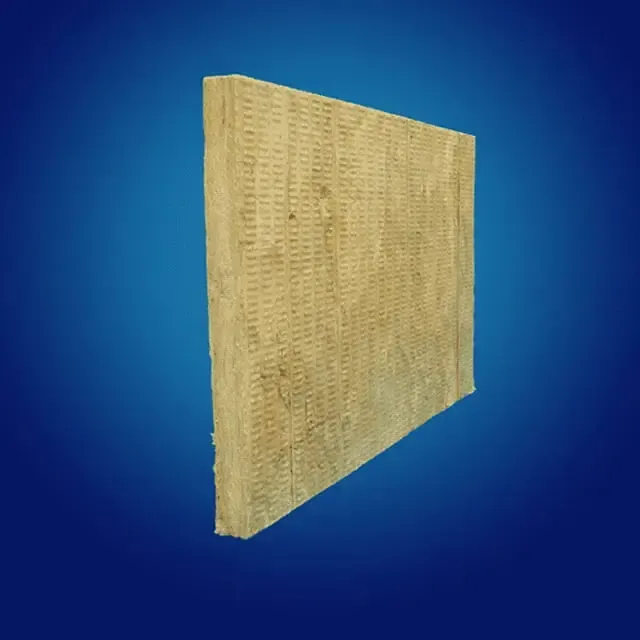
Rock Wool
rock Wool Acoustic Panels
High-density rock wool acoustic panels for superior sound absorption and thermal insulation in buildings.
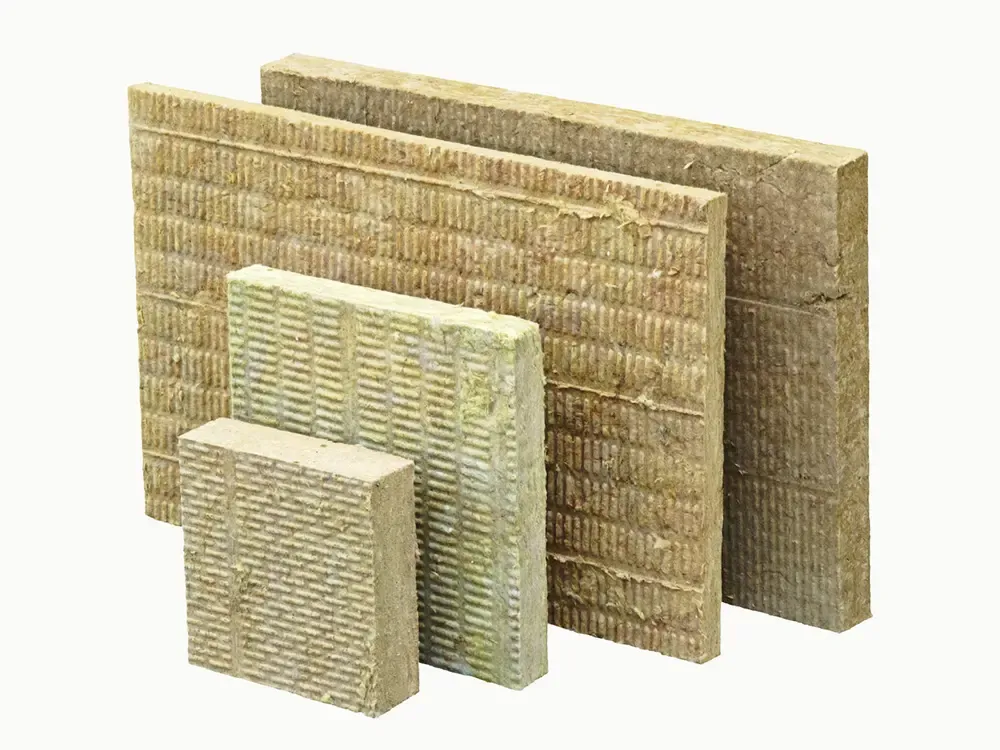
Basalt rockwool insulation slabs (also rock wool board) — Class A non-combustible rockwool material. Fire-safe, water-repellent, sound-absorbing.
Rock wool board (also written rockwool or called mineral wool board / basalt wool board) is a rigid, high-density rockwool material supplied as standard rockwool insulation slabs. In legacy trade literature it is sometimes referenced as fire wool for its non-combustible character. Manufactured from natural basalt melted above 1450°C and spun into mineral fibers, then cured with a thermosetting binder, the panels deliver fire-safe, low-smoke thermal and acoustic insulation for building envelopes, industrial equipment, and power infrastructure.
Standard rockwool insulation slabs are produced in thicknesses of 25–150 mm and densities from 60 to 200 kg/m³, supplied as rigid panels (slabs), boards, and sandwich-panel cores. Rockwool material in slab form is the most widely specified format for building envelopes, industrial equipment insulation, structural fire barriers in substations, energy-storage station compartmentation, and petrochemical facilities.
Rosetexwool is a rock wool board manufacturer and supplier serving more than 60 countries since 1982. Every rock wool board is produced under a documented quality system certified to ISO 9001, CE and SGS, with batch-level traceability from raw material to finished product.
What our manufacturing capability covers:
For quotations, lead times or technical data sheets, contact our team with your specification and target service temperature. Explore the Rock Wool insulation hub for the full range, or read the rock wool insulation selection guide for selection support.
pipe insulation for steam pipes — Sized DN15 to DN300 for a tight fit, which removes the thin spots and heat losses that field-wrapped insulation tends to leave.
wired rockwool blanket — Stone wool blanket stitched to galvanised wire mesh so it can be mechanically fixed to large tanks, boilers and ductwork.
ceramic fiber bulk — Loose bulk fibre supplied for filling cavities and expansion joints, and as the raw material for vacuum-formed shapes and ceramic fibre textiles.
For the full stone wool range, temperature limits and density options, see our rockwool insulation guide.
For adjacent material options across temperature and application ranges, explore our ceramic fiber insulation hub.
Part of the Rock Wool product family.
Last updated: September 30, 2026
Rockwool insulation can withstand temperatures up to 650 °C for standard grades. It is classified as a non-combustible material (Euroclass A1, ASTM E84 Class A), making it ideal for structural fire protection, industrial pipe insulation, and building envelope applications.
No. Our rock wool products feature hydrophobic treatment with water repellency exceeding 98%. Unlike some insulation materials, rock wool maintains its thermal performance even in high-humidity environments. This makes it particularly suitable for outdoor pipework and marine applications.
Yes. Rockwool is manufactured from volcanic basalt rock — an abundant natural resource. It contains up to 75% recycled content, is fully recyclable at end of life, and contributes to building energy efficiency by reducing heat loss. It is RoHS and REACH compliant.
The optimal density depends on your application: 60–80 kg/m³ for general thermal insulation of tanks and vessels, 80–120 kg/m³ for pipe insulation and HVAC ductwork, 100–150 kg/m³ for load-bearing or structural applications, and 150+ kg/m³ for high-compression industrial flooring and sandwich panels.
In buildings it is used for external wall insulation systems (ETICS/EIFS), fire barrier and firestop walls, flat and metal roof insulation, curtain wall cavity filling, partition walls, suspended ceilings and HVAC duct insulation — combining A1 fire safety with thermal and acoustic performance.
Yes. With an A1 non-combustible rating and a fire resistance limit of 3 hours or more, rigid rockwool board is widely used as fire barrier and firestop walls, cable tray / cable trench fire separation, and energy storage station compartmentation to stop fire spread.
Rockwool insulation slabs are rigid, high-density panels manufactured from basalt fibers, typically supplied in thicknesses of 25–150 mm and densities from 60 to 200 kg/m³. They are widely used for external wall insulation (ETICS/EIFS), fire barrier walls, flat and metal roofs, curtain wall cavities, partition walls, HVAC ductwork, and structural fire protection in substations, energy storage stations, and petrochemical facilities.
Yes. Rockwool achieves Euroclass A1 / ASTM E84 Class A non-combustible rating, the highest possible fire-safety classification for an insulation material. Sometimes referenced in legacy trade literature as fire wool, it will not burn, melt, or release toxic smoke, with a fire resistance limit of 3 hours or more — making rockwool material the specification of choice for structural fire barriers and life-safety insulation.
Still deciding? Send your specs — we'll quote within 24 hours.
Get pricing
Fill out the form below with your requirements — our team responds within one business day.
High-density rock wool acoustic panels for superior sound absorption and thermal insulation in buildings.
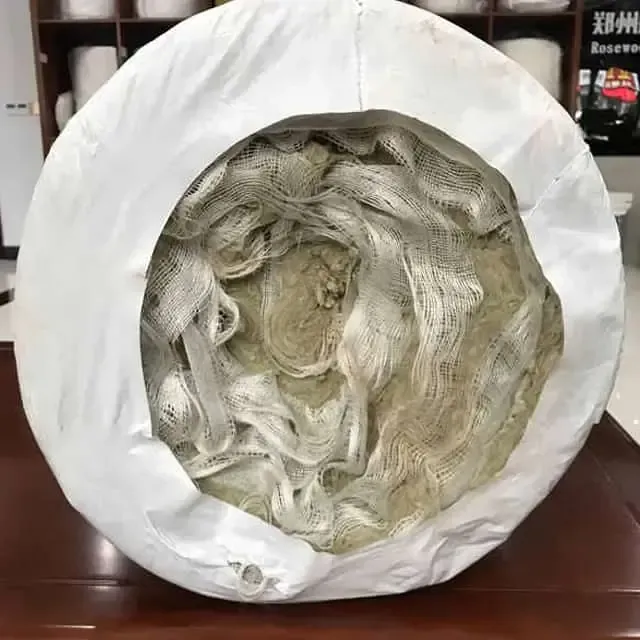
Rock wool blanket reinforced with glass fiber mesh for improved surface durability and handling strength.
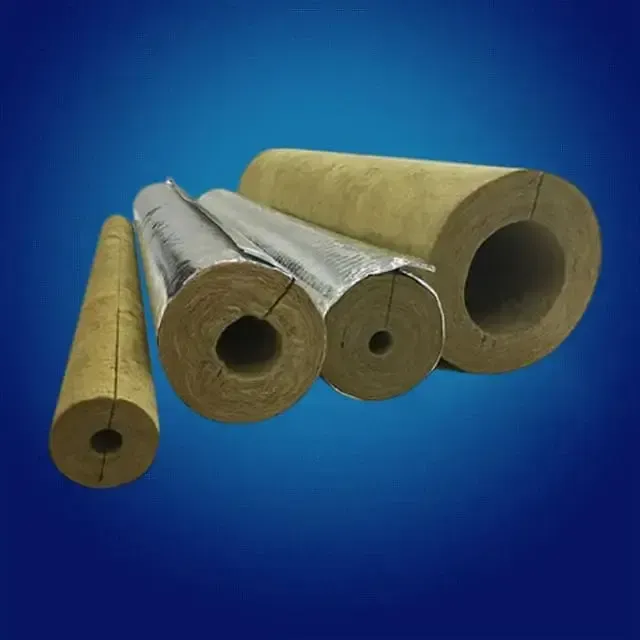
Pre-formed rockwool pipe insulation sections for steam pipes, HVAC and industrial piping. Rigid pipe insulation material rated for continuous service to 650 °C, Class A1 non-combustible.