
Microporous & Aerogel
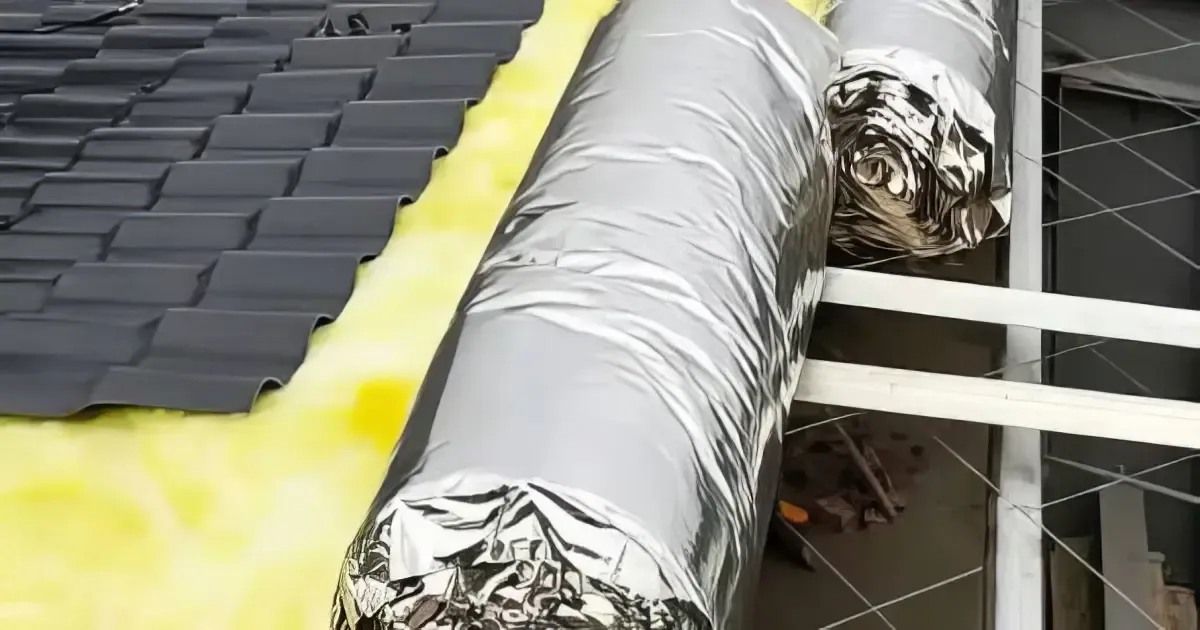
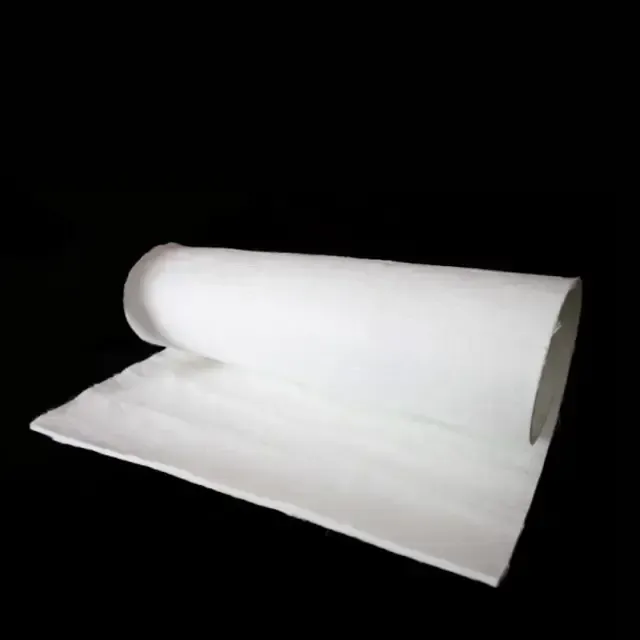
Nano Aerogel Insulation Blanket
Advanced nano aerogel insulation blanket with the lowest thermal conductivity for applications demanding minimal thickness.
Nano aerogel blankets and microporous boards that hit your thermal target in a fraction of the thickness. Factory-direct, ISO 9001 since 1982.
Overview
Aerogel is a solid in which the liquid component of a gel has been replaced by gas, leaving a nano-porous structure that is more than 90% air by volume. That structure gives it the lowest thermal conductivity of any conventional insulation at ambient pressure — which is the whole reason aerogel reaches a specified thermal duty at a fraction of the thickness needed by mineral wool, calcium silicate or ceramic fiber.
This product family reaches site in two forms: flexible nano aerogel blankets, in which silica aerogel is held in a glass-fibre or polyester carrier, and rigid microporous nano boards. Both are chosen where space, weight or thermal performance per millimetre is the binding constraint rather than material price per square metre.
Key properties
The properties that decide whether aerogel pays off on your line.
Microporous nano boards cover high-temperature duties; standard aerogel blankets are rated for continuous service up to 650 °C.
From 0.020 W/(m·K) for microporous board — roughly half that of conventional mineral wool at the same mean temperature.
The same thermal duty typically needs one third to one fifth of the thickness required by mineral wool or calcium silicate.
Water repellency comes from the nano-porous structure itself rather than a surface coating, so it survives handling and wear.
Aerogel resists settling, sagging and vibration far better than fibrous materials, holding its performance across a long service life.
Because it does not hold water against the pipe wall, aerogel helps limit corrosion under insulation — one of the costliest failure modes in piping.
Thickness
Thickness is the question we are asked most often. The honest answer is that it depends on your target heat loss or surface temperature, your operating temperature and the space you actually have. What aerogel changes is the thickness needed to hit that target.
We size aerogel against your operating temperature, not a room-temperature data sheet. Thermal conductivity rises with mean temperature, so send us the operating temperature, line size and target surface temperature and we will size the build-up properly.
Comparison
There is no universally best insulation. Each material wins in a different set of conditions, and the right choice is the one that meets your thermal target within the space, weight and budget you actually have.
Cost
Aerogel is genuinely more expensive per square metre than mineral wool, and it is worth being straightforward about why: both the raw material and the manufacturing process cost more.
The payback comes from four places rather than from the material price:
For space-constrained or high-duty applications the total installed and lifecycle cost is often lower than a thicker conventional build-up — even though the material itself costs more.
Send us your operating temperature, pipe or vessel dimensions and thermal target. We will tell you honestly whether aerogel pays off — or whether a conventional material does the job for less.
We deliver industrial-grade thermal solutions trusted by engineers worldwide.
No middlemen — factory-direct pricing and technical support.
Certified manufacturing since 1982.
We will tell you if a cheaper material does the job.
Explore our recommended products tailored to your application requirements.
Advanced nano aerogel insulation blanket with the lowest thermal conductivity for applications demanding minimal thickness.
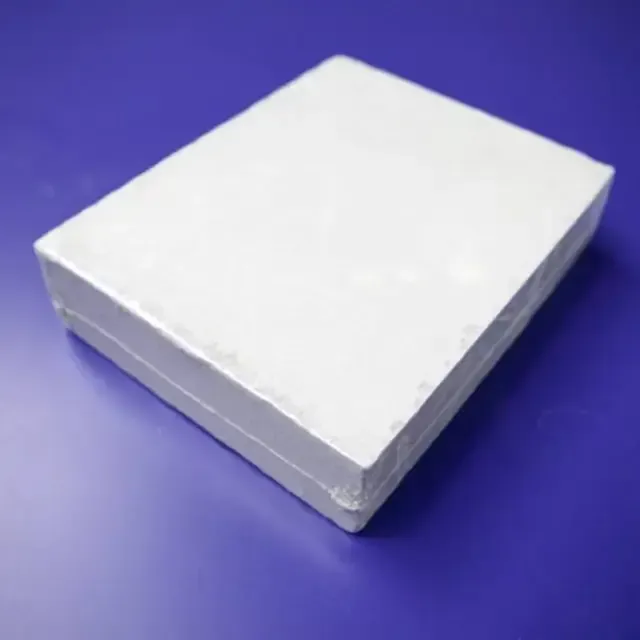
Nano-technology microporous insulation board with exceptional thermal performance and minimal thickness.
Microporous nano boards in this range are rated for high-temperature duties up to 1000 °C, while standard flexible aerogel blankets are rated for continuous service up to 650 °C. Tell us your operating temperature and we will recommend the right form.
It depends on your target heat loss or surface temperature and your operating temperature — not on a rule of thumb. As a guide, where mineral wool or calcium silicate would need roughly 50–75 mm, an aerogel blanket typically reaches the same duty at about 10–15 mm. We size the build-up from your actual conditions.
Per square metre, aerogel costs more. It pays back through lower heat loss, faster installation, less metal cladding and reduced risk of corrosion under insulation. It is most clearly worth it where space is tight, access is expensive, or the line runs continuously at high temperature.
Aerogel is intrinsically hydrophobic — the water repellency comes from its nano-porous structure rather than a surface coating, so it is not lost through handling or wear. It still needs correctly sealed cladding; hydrophobic insulation is not a substitute for a weatherproof outer jacket.
Yes. Aerogel retains very low thermal conductivity at sub-ambient temperatures and is widely used on cryogenic and refrigerated lines, where its thin profile and moisture resistance are both advantages.
We supply flexible nano aerogel insulation blanket and rigid microporous nano insulation board. Both are available factory-direct with thickness and density options to suit the duty.