
Ceramic Fiber
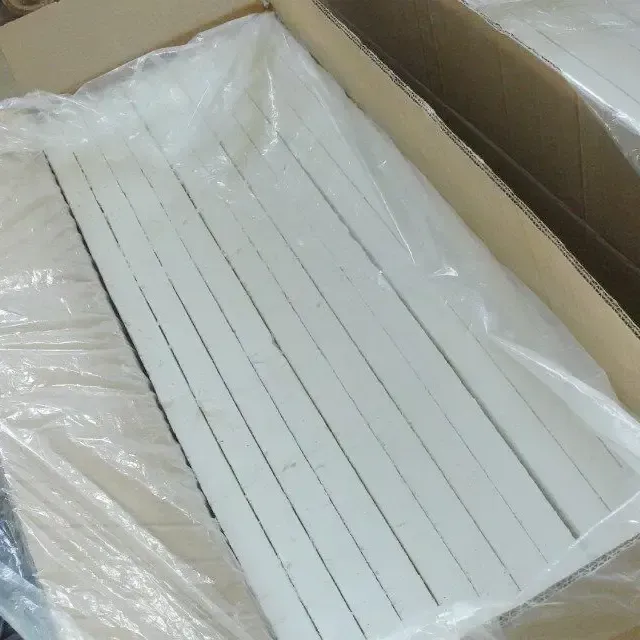
Refractory Ceramic Fiber Board for High Temperature Insulation
Refractory ceramic fiber board for high temperature insulation up to 1430C. Rigid, easy to cut, multiple densities and grades. Factory direct pricing.
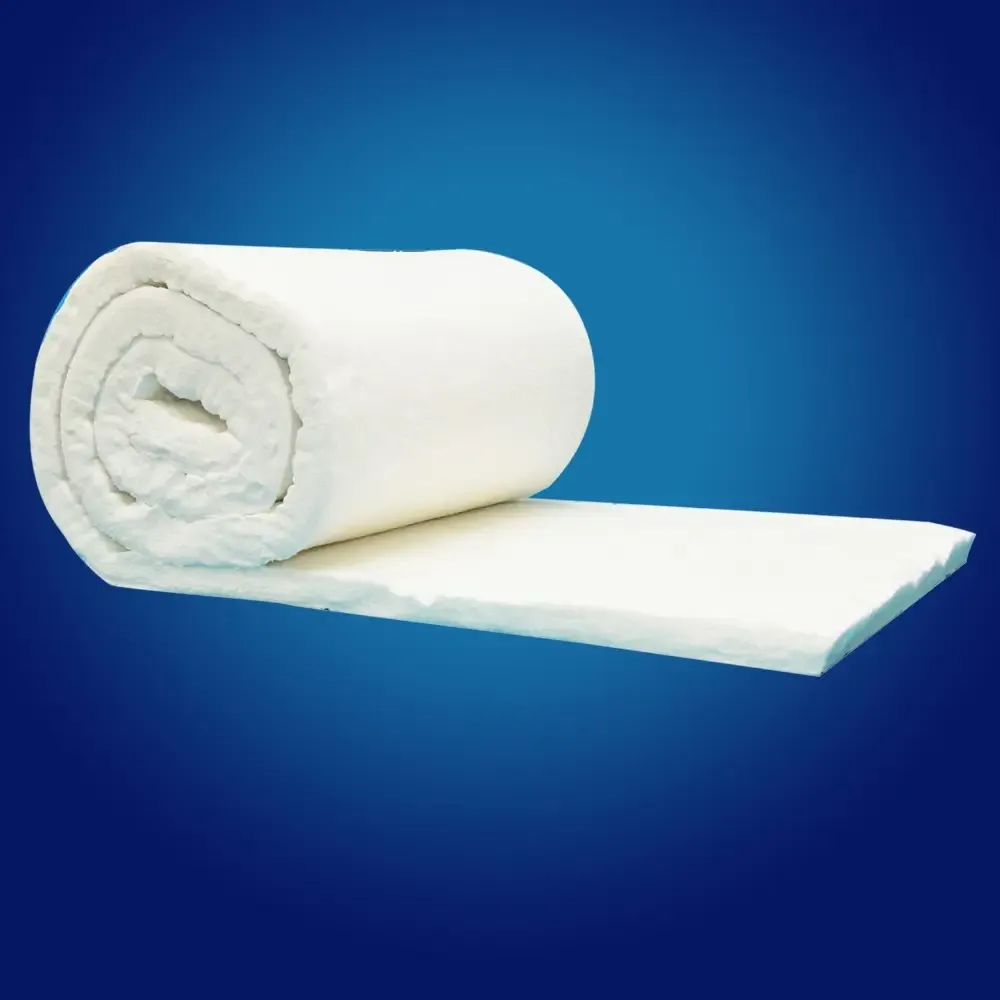
Refractory ceramic fiber blanket, also marketed as ceramic fire blanket — Class A non-combustible insulation rated 1100–1430°C. Ceramic blanket insulation for furnaces, boilers, kilns & pipe wrap.
Refractory ceramic fiber blanket (also called ceramic fire blanket in trade literature) is a high-performance thermal insulation material engineered from spun alumina-silicate fibers. It is a lightweight, flexible refractory ceramic fiber blanket made from molten raw materials drawn into continuous fibers, then needled into a uniform, dust-controlled blanket. As a refractory ceramic fiber insulation product, it delivers excellent thermal stability across the widest service range of any non-combustible insulation blanket.
This refractory ceramic fiber blanket is rated for continuous use at 1100°C with a maximum service temperature up to 1430°C depending on grade. Standard (ST) and High-Purity (HP) grades reach 1260°C, High-Alumina (HA) handles 1360°C, and Zirconia (HZ) extends to 1430°C. Thermal conductivity remains low at 0.04–0.12 W/(m·K) even at elevated temperatures. Available in densities from 64 to 200 kg/m³, each ceramic fiber blanket is also commonly referred to simply as ceramic blanket and forms the basis of most high-temperature insulation blanket systems in industrial plants.
The ceramic fiber blanket insulation is widely used as a refractory lining for industrial furnaces and kilns (including ceramic blanket insulation grades for reformer, cracker, and ethylene furnaces in petrochemical plants), boiler and combustion-chamber walls, high-temperature pipe wrap, expansion joints, door seals, and removable thermal pads. A ceramic fire blanket is also installed in shipyards, welding shops, and offshore platforms as an active fire-protection blanket for hot-work operations.
Compared with rock wool blanket, calcium silicate board, and high-temperature foam glass, refractory ceramic fiber blanket offers the highest temperature rating per unit weight, lowest thermal conductivity, and the best thermal-shock resistance. For applications above 1000°C where rock wool and calcium silicate are unsuitable, refractory ceramic fiber blanket (or ceramic fire blanket, for hot-work use) is the industry-standard refractory ceramic fiber insulation choice — backed by ISO 9001 manufacturing and CE / ASTM certification.
Rosetexwool is a ceramic fiber blanket manufacturer and supplier serving more than 60 countries since 1982. Every ceramic fiber blanket is produced under a documented quality system certified to ISO 9001, CE and SGS, with batch-level traceability from raw material to finished product.
What our manufacturing capability covers:
For quotations, lead times or technical data sheets, contact our team with your specification and target service temperature. Explore the ceramic fiber insulation hub for the full range, or read the ceramic fiber insulation buying guide for selection support.
ceramic fiber tape — Heat resistant tape to 1260 °C that wraps pipework, valves and hoses cleanly, with useful dielectric strength alongside the thermal protection.
ceramic fiber modules — Pre-compressed folded modules that install far faster than layered blanket, with lower heat storage and measurable fuel savings per cycle.
wired rockwool blanket — Stone wool blanket stitched to galvanised wire mesh so it can be mechanically fixed to large tanks, boilers and ductwork.
For the full ceramic fiber range, temperature grades and density options, see our ceramic fiber insulation guide.
For adjacent material options across temperature and application ranges, explore our rock wool insulation hub.
Part of the Ceramic Fiber product family.
| Parameter | COM | ST | HP | HA | Zir-Alu | HZ |
|---|---|---|---|---|---|---|
| Class. Temp. | 1100℃ | 1260℃ | 1260℃ | 1360℃ | 1400℃ | 1430℃ |
| Working Temp. | <1000℃ | 1050℃ | 1100℃ | 1200℃ | 1200℃ | 1350℃ |
| Density (kg/m³) | 96/128 | 96/128 | 96/128 | 128/160 | 128/160 | 128/160 |
| Al₂O₃ (%) | 44 | 46 | 47-49 | 52-55 | 45-46 | 39-40 |
| Al₂O₃+SiO₂ (%) | 96 | 97 | 99 | 99 | - | - |
| ZrO₂ (%) | - | - | - | - | 5-7 | 15-17 |
| Fe₂O₃ (%) | <1.2 | <1.0 | 0.2 | 0.2 | 0.2 | 0.2 |
| Na₂O+K₂O (%) | ≤0.5 | ≤0.5 | 0.2 | 0.2 | 0.2 | 0.2 |
Different grades are designed for different operating temperatures and environments. Use the comparison below to select the right grade for your application.
COM
<1000℃Al₂O₃: 44%
Economy applications, low-budget thermal insulation, building fire protection
Best for cost-effective medium-temperature applications
ST
1050℃Al₂O₃: 46%
Standard industrial furnaces, boilers, backup insulation
Best for general industrial furnace insulation
HP
1100℃Al₂O₃: 47-49%
Standard industrial furnaces, boilers, backup insulation
Best for high-temperature continuous operation
HA
1200℃Al₂O₃: 52-55%
High-temperature industrial furnaces, petrochemical crackers, continuous casting
Best for high-temperature continuous operation
Zir-Alu
1200℃Al₂O₃: 45-46%
High-temperature industrial furnaces, petrochemical crackers, continuous casting
Best for high-temperature continuous operation
HZ
1350℃Al₂O₃: 39-40%
Ultra-high temperature furnaces, glass kilns, ceramic firing
Best for industries requiring maximum thermal stability
Last updated: September 19, 2026
Ceramic fiber insulation withstands temperatures from 1100°C to 1430°C, depending on the grade. Standard (ST) and High-Purity (HP) grades are rated for 1260°C, while High-Alumina (HA) handles 1360°C and Zirconia (HZ) reaches 1430°C. Always match the grade to your specific operating temperature.
The grades differ mainly in alumina (Al₂O₃) content and temperature rating. COM (1100°C) is the economy grade. ST (1260°C) is the standard industrial grade. HP (1260°C) offers higher purity with lower shot content. HA (1360°C) has higher alumina for superior thermal stability. HZ (1430°C) contains zirconia for the highest temperature resistance.
Yes. Our ceramic fiber products are 100% asbestos-free and manufactured to international safety standards. They are classified as non-carcinogenic under EU Directive 97/69/EC. We recommend standard PPE (gloves, dust mask) during handling, as with any fibrous insulation material.
Ceramic fiber blanket can be cut to size with a utility knife and secured using high-temperature anchors, pins, or stud welding. For furnace linings, a layered installation is recommended. For pipe insulation, wrap and secure with stainless steel bands. Full installation guidance and technical support are provided with every order.
Ceramic fiber is widely used in industrial furnaces, kilns, boilers, petrochemical heaters, power generation equipment, incinerators, and building fire protection systems. It is ideal for backup insulation, expansion joints, door seals, and high-temperature gaskets.
A ceramic fire blanket is the same alumina-silicate needled blanket as a ceramic fiber blanket, supplied for welding, foundry and fire-protection duties. The 'fire blanket' name reflects its non-combustible, high-temperature character (rated 1100–1430°C by grade), not a different material. We stock it in roll, piece and quilted welding-blanket formats.
Refractory ceramic fiber blanket (RCF blanket) is specified where sustained high heat is present: furnace and kiln linings, boiler and combustor insulation, expansion joints, refractory backup and pipe wrapping up to 1430°C. Its low thermal mass cuts heat loss and shortens furnace cycling versus firebrick.
Yes. 'ceramic fiber blanket insulation' and 'ceramic blanket insulation' describe the same product — 'ceramic blanket' is simply the short form of 'ceramic fiber blanket'. Both are needled, non-combustible alumina-silicate blankets rated 1100–1430°C by grade.
Still deciding? Send your specs — we'll quote within 24 hours.
Get pricing
Fill out the form below with your requirements — our team responds within one business day.
Refractory ceramic fiber board for high temperature insulation up to 1430C. Rigid, easy to cut, multiple densities and grades. Factory direct pricing.
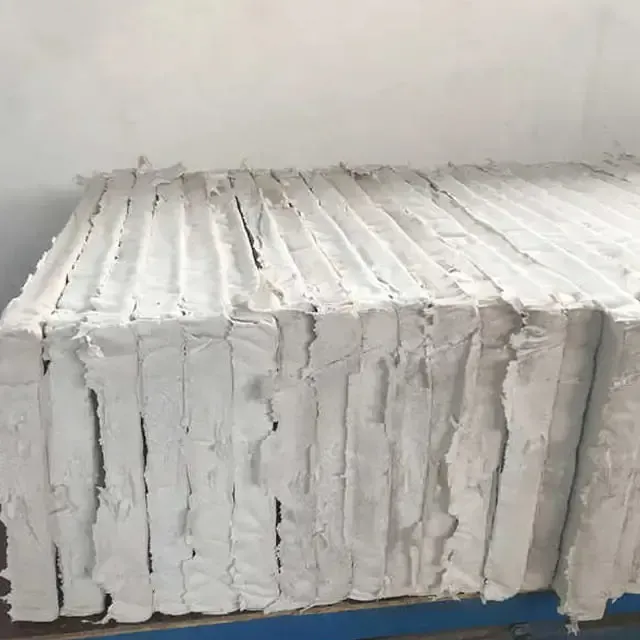
Cost-effective insulation board from rare earth cotton for medium-temperature applications up to 600℃.
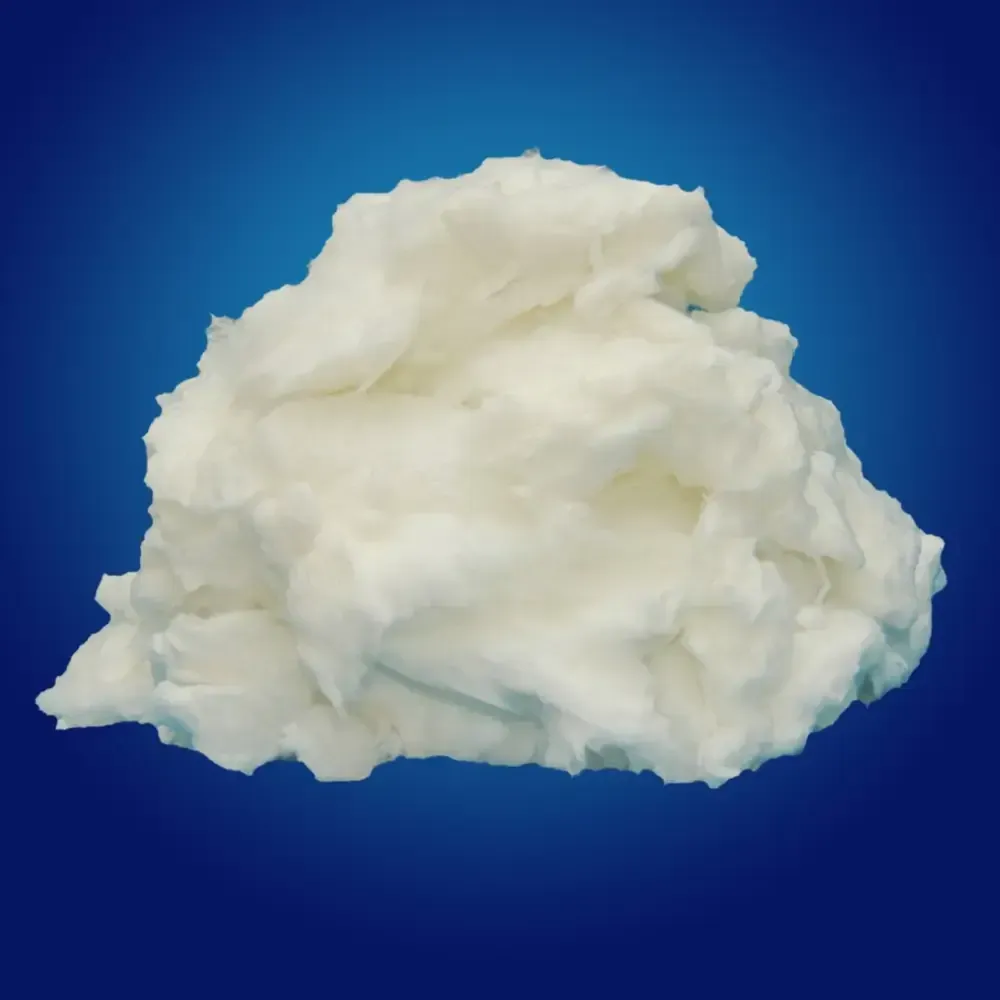
Loose ceramic fiber bulk for filling, vacuum-formed shapes manufacturing, and custom insulation applications.