
Calcium Silicate
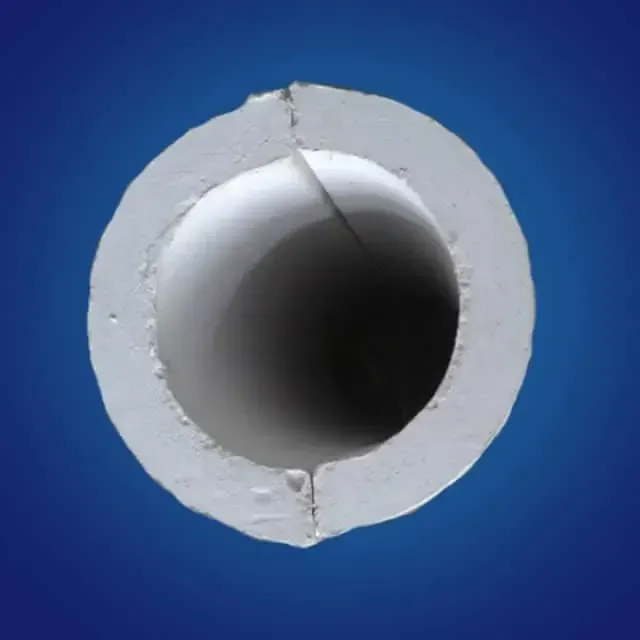
Calcium Silicate Pipe
Pre-formed calcium silicate pipe insulation sections for industrial piping systems with working temperature up to 1100℃.
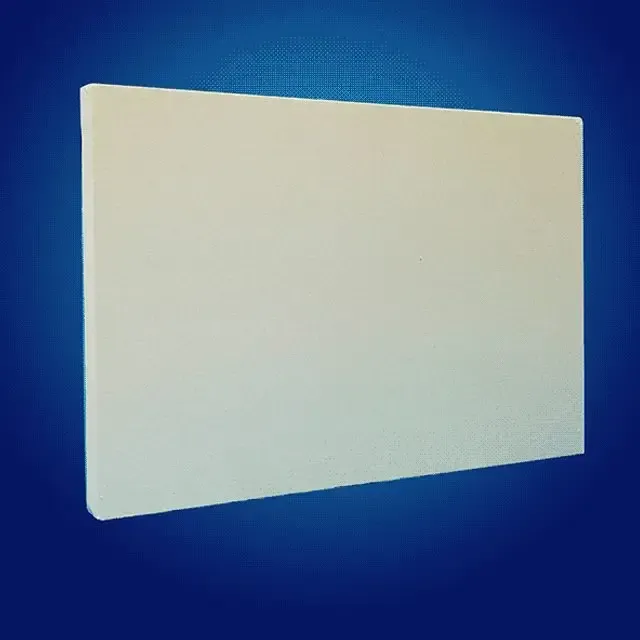
High-strength calcium silicate insulation board (also known as calsil board) with excellent heat resistance and low thermal conductivity. Working temperature up to 1100C. A rigid silicate board ideal for industrial furnace and kiln lining.
Calcium silicate insulation board — also known as calsil board or simply silicate board — is a rigid, high-strength industrial insulation product manufactured from silicic and calcic materials through pulping, shaping, steam curing, drying and post-processing. With a maximum working temperature of 1000/1050/1100C, calsil board is widely used in metallurgy, petroleum, chemical, mechanical, electrical, light industry and industrial kilns.
This versatile silicate board serves multiple high-temperature industrial applications:
| Property | Calsil Board | Ceramic Fiber Board | Rock Wool Board |
|---|---|---|---|
| Max Temp | 1100C | 1430C | 650C |
| Compressive Strength | up to 6 MPa | up to 3 MPa | up to 0.5 MPa |
| Thermal Conductivity | 0.056 W/m.K | 0.085 W/m.K | 0.040 W/m.K |
| Form | Rigid board | Rigid board | Rigid board |
| Asbestos-free | Yes | Yes | Yes |
Calsil board offers the highest compressive strength among common insulation boards, making it the preferred choice for load-bearing high-temperature applications. For even higher temperature requirements (above 1100C), ceramic fiber board is recommended.
Calcium silicate board is supplied in several grades. The table below summarizes the typical properties of the three common grades — confirm the exact values against the data sheet for your selected grade before specifying.
| Grade | Density (kg/m³) | Max Service Temp. | Thermal Conductivity | Compressive Strength |
|---|---|---|---|---|
| Standard (Type I) | 170–240 | ≤ 650 °C | ≤ 0.056 W/(m·K) | ≥ 0.9 MPa |
| High-Temperature (Type II) | 220–350 | 1000–1050 °C | ≤ 0.065–0.075 W/(m·K) | ≥ 1.0 MPa |
| High-Density Structural | 350–500 | up to 1100 °C | ≤ 0.080–0.100 W/(m·K) | up to 6 MPa |
Our calcium silicate insulation boards are manufactured under ISO 9001 quality management systems. Each batch is tested for density, compressive strength, thermal conductivity, and linear shrinkage. Products are exported to Japan, South Korea, Thailand, Indonesia, Malaysia, Pakistan, Vietnam, Singapore and other markets worldwide.
Rosetexwool is a calcium silicate insulation board manufacturer and supplier serving more than 60 countries since 1982. Every calcium silicate insulation board is produced under a documented quality system certified to ISO 9001, CE and SGS, with batch-level traceability from raw material to finished product.
What our manufacturing capability covers:
For quotations, lead times or technical data sheets, contact our team with your specification and target service temperature. Explore the calcium silicate insulation hub for the full range, or read the calcium silicate insulation buying guide for selection support.
composite silicate plate — A soft, flexible plate made from rare earth cotton for medium-temperature work to 600 °C, asbestos-free and easy to cut.
calcium silicate pipe insulation — Pre-formed pipe sections that keep insulation thickness uniform around the whole circumference, removing the thin spots hand-applied wraps tend to leave behind.
wired rockwool blanket — Stone wool blanket stitched to galvanised wire mesh so it can be mechanically fixed to large tanks, boilers and ductwork.
For the full calcium silicate range, temperature limits and strength data, see our calcium silicate insulation guide.
For adjacent material options across temperature and application ranges, explore our rock wool insulation hub.
For a deeper dive into forms, temperature ratings, and application guides, see our ceramic fiber insulation hub.
Part of the Calcium Silicate product family.
Last updated: September 30, 2026
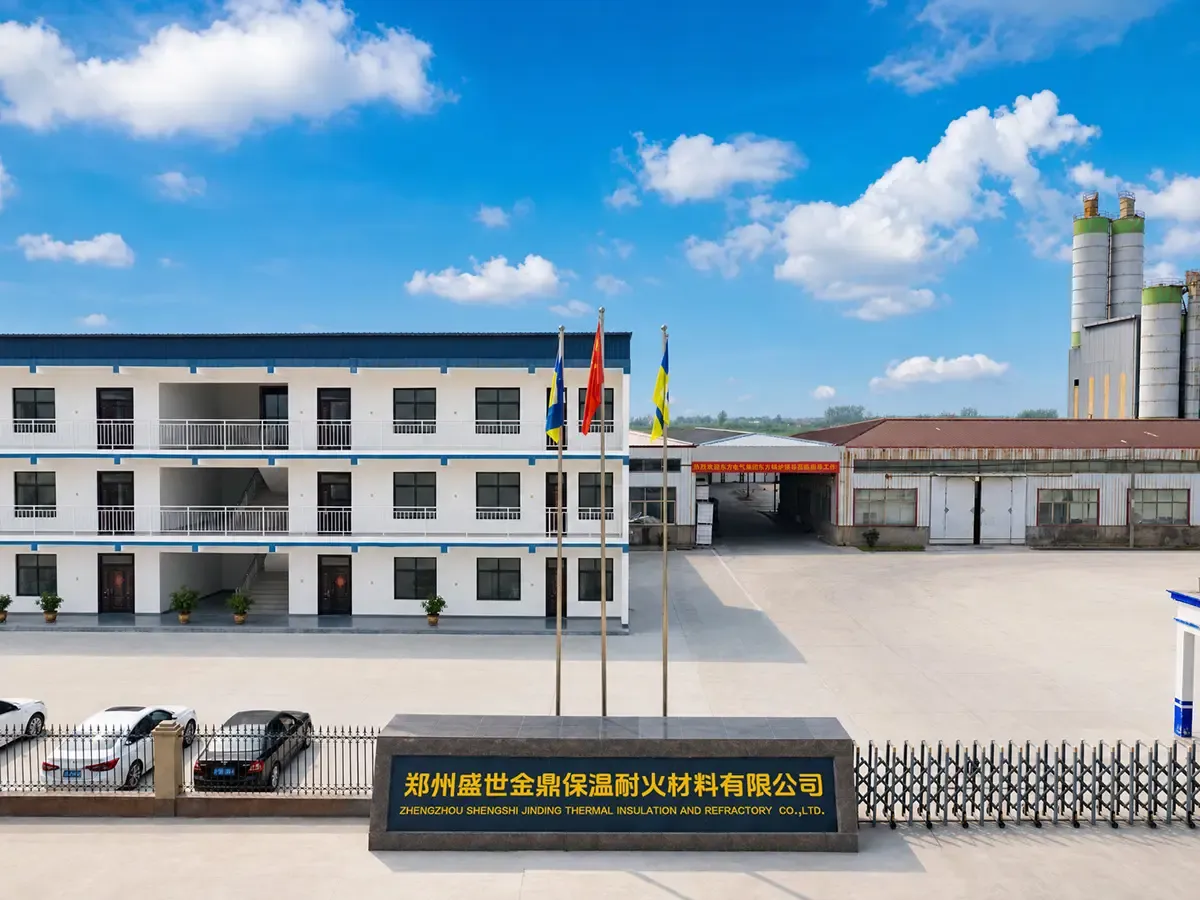
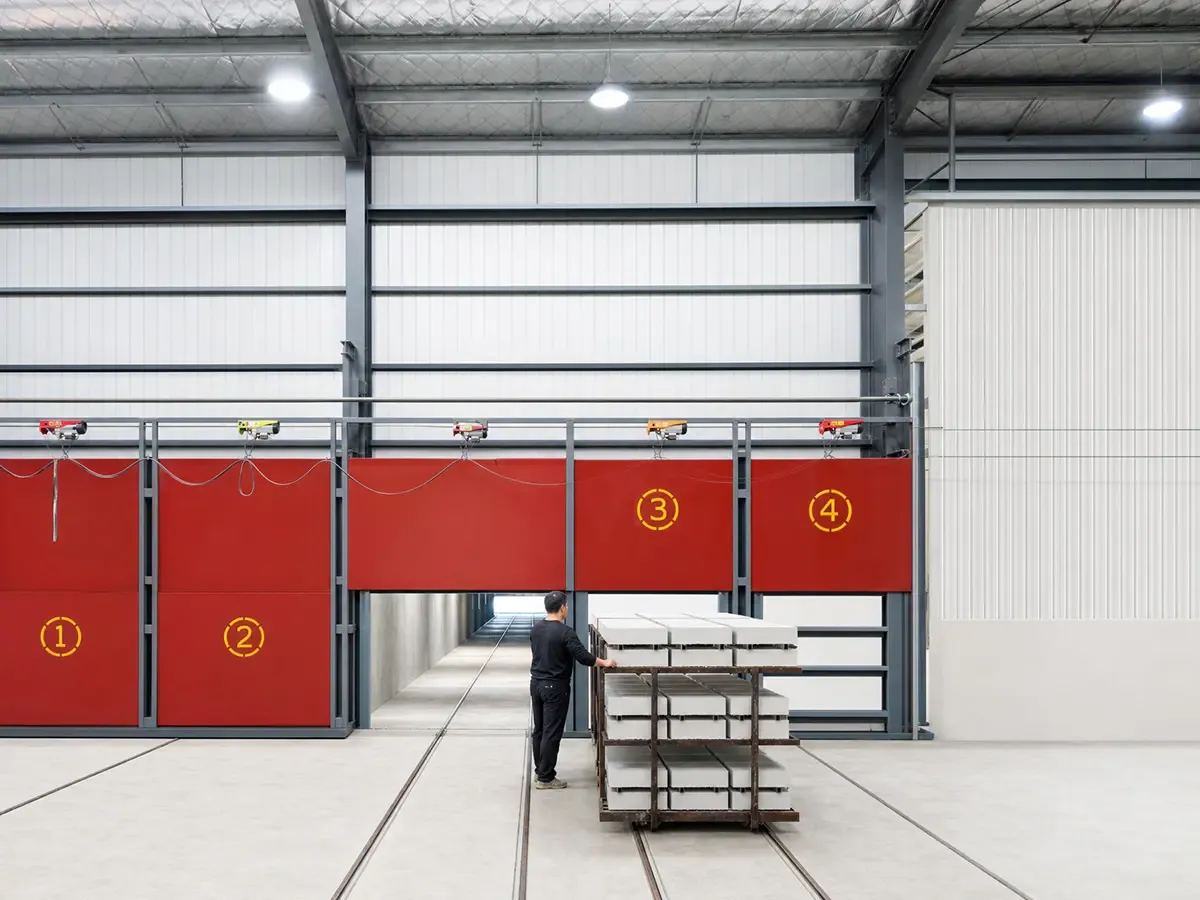
Our Factory
Photos of our full‑auto calcium silicate board production workshop. View raw material preparation, forming, autoclaving, cutting and finished goods inspection. Stable large‑volume production for construction projects worldwide.
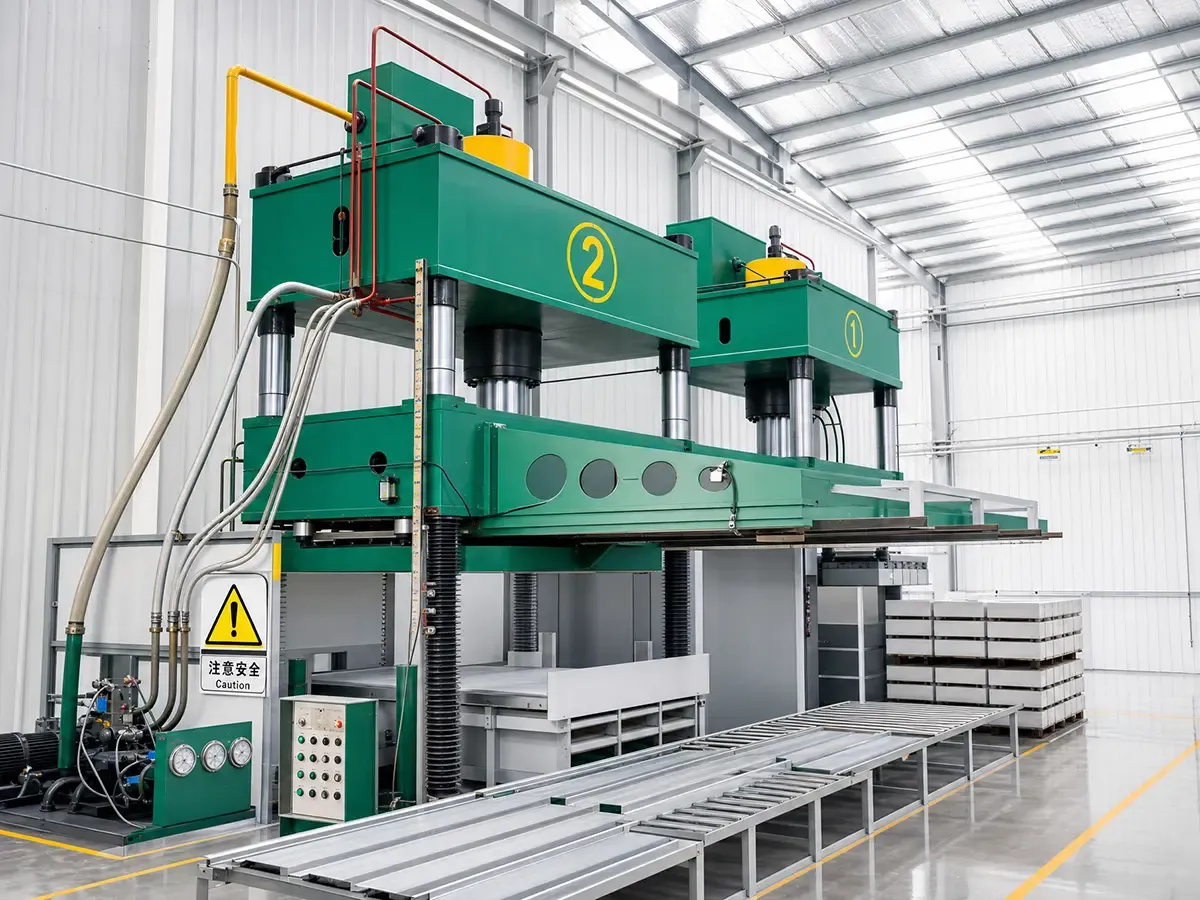
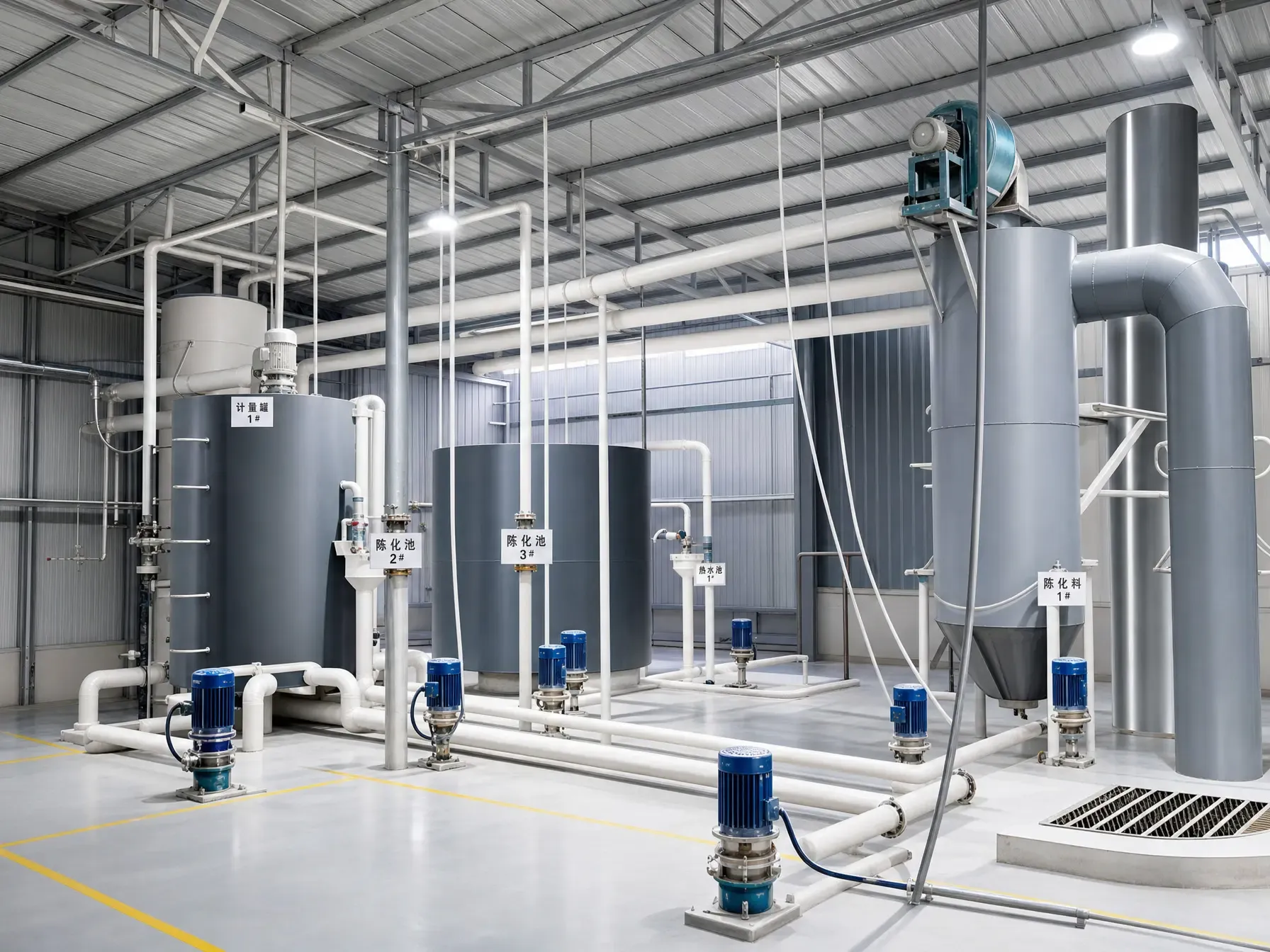
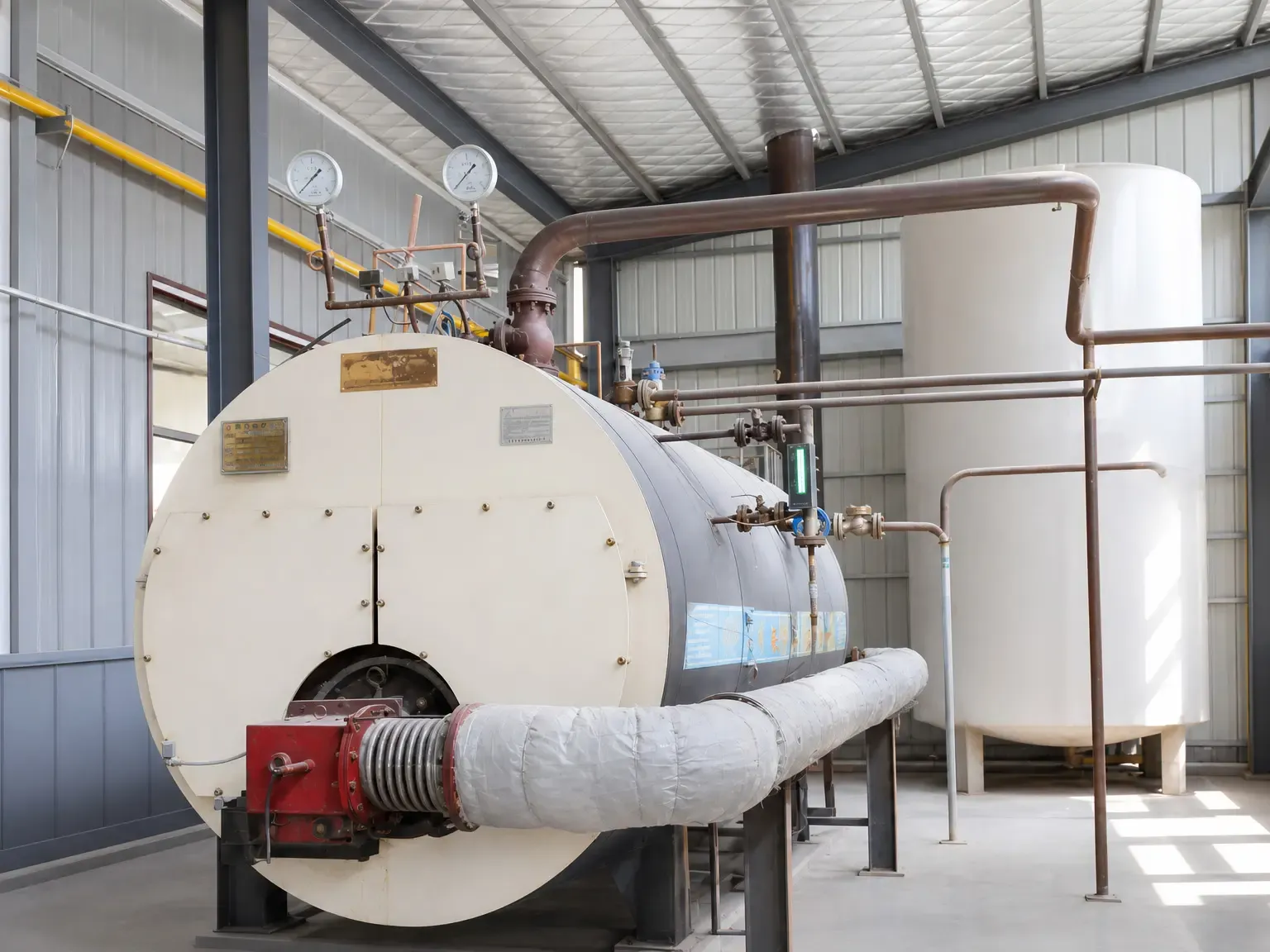
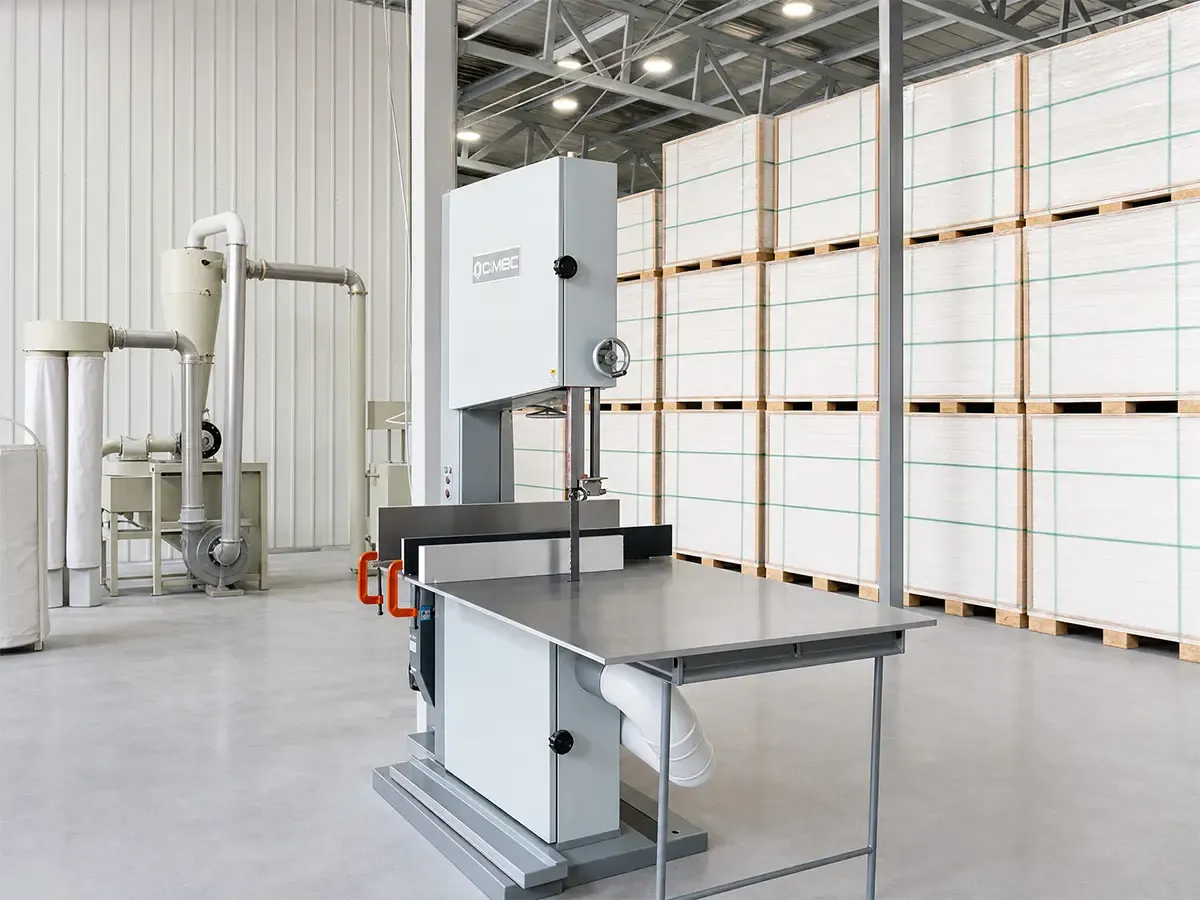
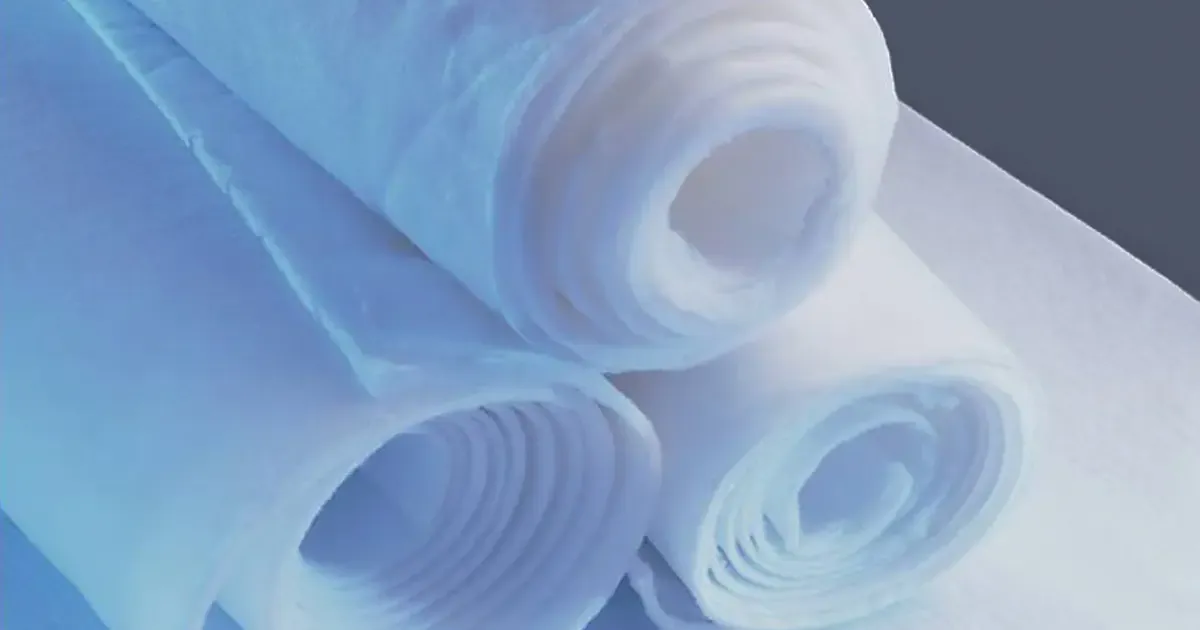

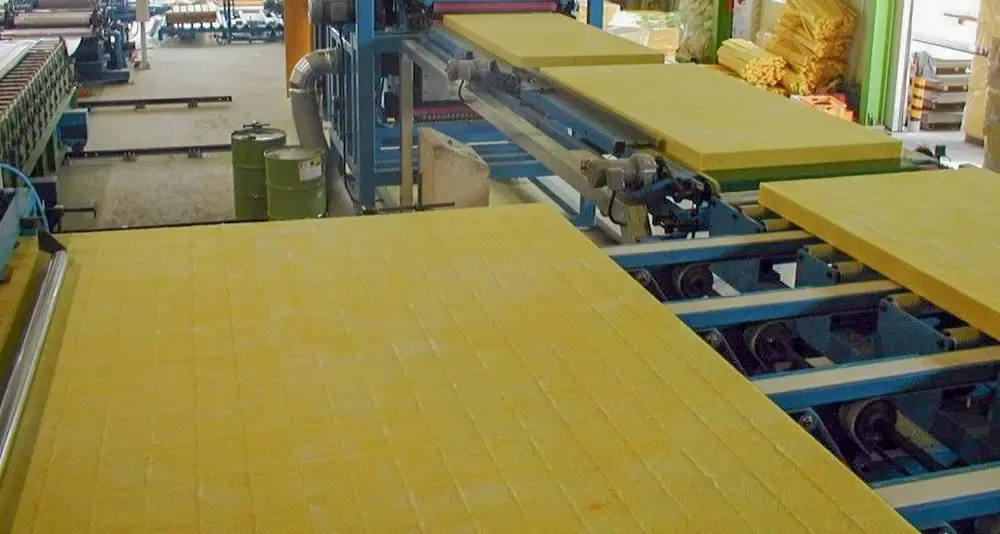
Calcium silicate insulation boards can withstand continuous temperatures up to 1100C. They offer high compressive strength and excellent dimensional stability, making them ideal for high-temperature pipe supports, furnace backup insulation, and aluminium smelter applications.
Calcium silicate offers significantly higher compressive strength (up to 6 MPa) than ceramic fiber blankets, making it the preferred choice for load-bearing insulation. It is supplied in rigid board form, easy to cut and machine. Ceramic fiber, however, offers higher temperature limits (up to 1430C) and lower thermal conductivity in blanket form.
Absolutely. All our calcium silicate products are manufactured using an asbestos-free formula. They meet international health and safety standards including ASTM C533 and EN 14306, and are certified as non-hazardous material for transport and handling.
Calsil board is a common industry abbreviation for calcium silicate board. It is the same product: a rigid, high-strength insulation board made from calcium silicate materials. Calsil board is widely used in metallurgy, petrochemical, and power generation industries for high-temperature insulation up to 1100C.
Yes, calsil board and calcium silicate board are exactly the same product. 'Calsil' is simply the industry shorthand for 'calcium silicate.' Both terms refer to the same rigid insulation material manufactured from silicic and calcic compounds, rated for temperatures up to 1100C with compressive strength up to 6 MPa.
Silicate board, including calcium silicate board (calsil board), is used for high-temperature industrial insulation applications. Common uses include furnace and kiln backup insulation, pipe supports in petrochemical plants, turbine casings in power plants, kiln car decks in ceramic manufacturing, and electrolytic cell insulation in aluminium smelting. Its high compressive strength makes it ideal for load-bearing insulation scenarios.
Calsil board is the rigid, load-bearing layer in high-temperature linings: furnace and kiln backup walls, boiler casings and ducts, fire-rated walls and doors, petrochemical heater enclosures, and marine fire barriers. It is often the structural backup behind ceramic fiber or rock wool on the hot face.
Choose density by the load the board must carry. Lightly loaded backup linings and furnace walls usually use 170–240 kg/m³. Load-bearing pipe supports, structural members and fire-rated doors need the high-density grade up to 500 kg/m³ for the required compressive strength. Confirm with your project specification.
Calcium silicate board is non-hygroscopic and does not absorb significant moisture, but it is not waterproof. For outdoor, buried or wet-service use it must be protected by a weatherproof cladding or jacketing system. See our pipe insulation cladding guide for suitable jacket and vapor-barrier options.
Cut the rigid board with carbide-tipped or abrasive tools and secure it with mechanical fixings, adhesives or stud welding depending on the substrate. It machines cleanly without special equipment. Always wear eye and respiratory protection, and seal cut edges to maintain the insulation and fire-rating performance.
Calsil board thermal conductivity is low and rises with mean temperature. At the rated mean test temperature a standard board typically measures ≤ 0.056 W/(m·K); high-temperature and structural grades run about 0.065–0.100 W/(m·K). Always size thickness using the λ value at your operating temperature, not at room temperature.
Yes. Its high compressive strength — from ≥ 0.9 MPa in standard grades up to 6 MPa in high-density structural board — makes calsil the preferred load-bearing insulation. It is widely used as pipe shoes, supports and structural backup where rock wool or ceramic fiber would compress under load.
Still deciding? Send your specs — we'll quote within 24 hours.
Get pricing
Fill out the form below with your requirements — our team responds within one business day.
Pre-formed calcium silicate pipe insulation sections for industrial piping systems with working temperature up to 1100℃.
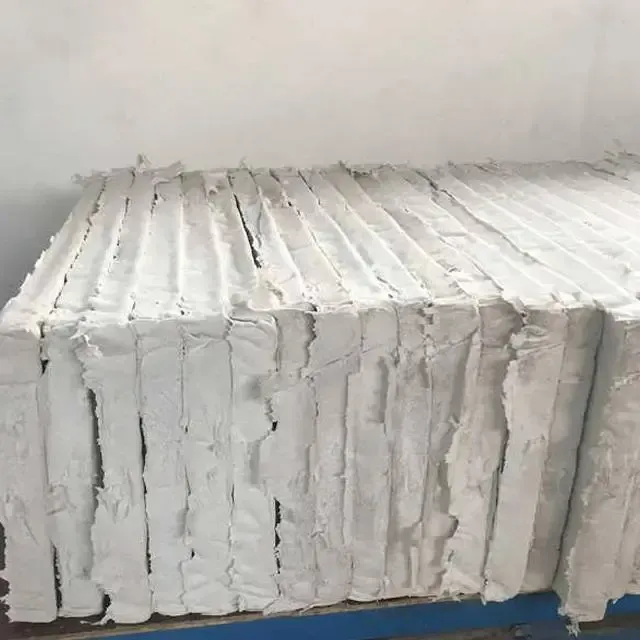
Flexible composite silicate insulation plate from rare earth cotton for medium-temperature applications up to 600℃.
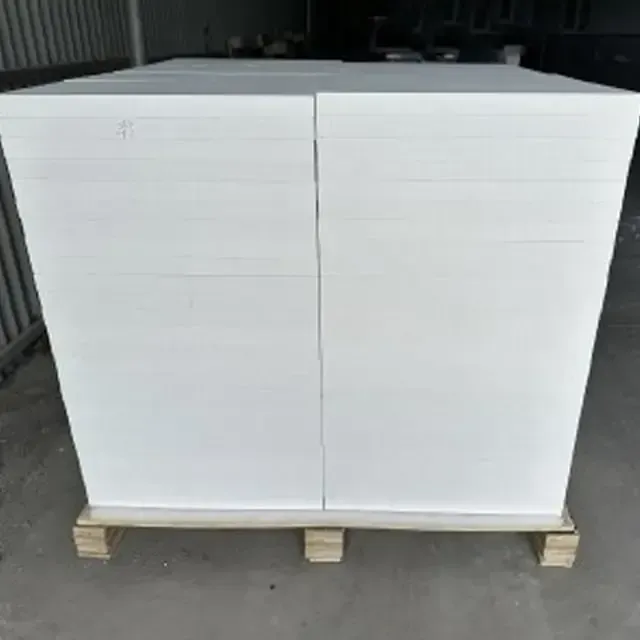
Ultra-high density calcium silicate board (>500kg/m³) for applications requiring maximum mechanical strength.