
Rock Wool Insulation for Marine & Offshore Engineering: Applications & Benefits
Rock wool (mineral wool) marine insulation: A-60 fire rated, salt-resistant, soundproof. For ship pipes, bulkheads, cabins & offshore platforms. IMO SOLAS compliant.
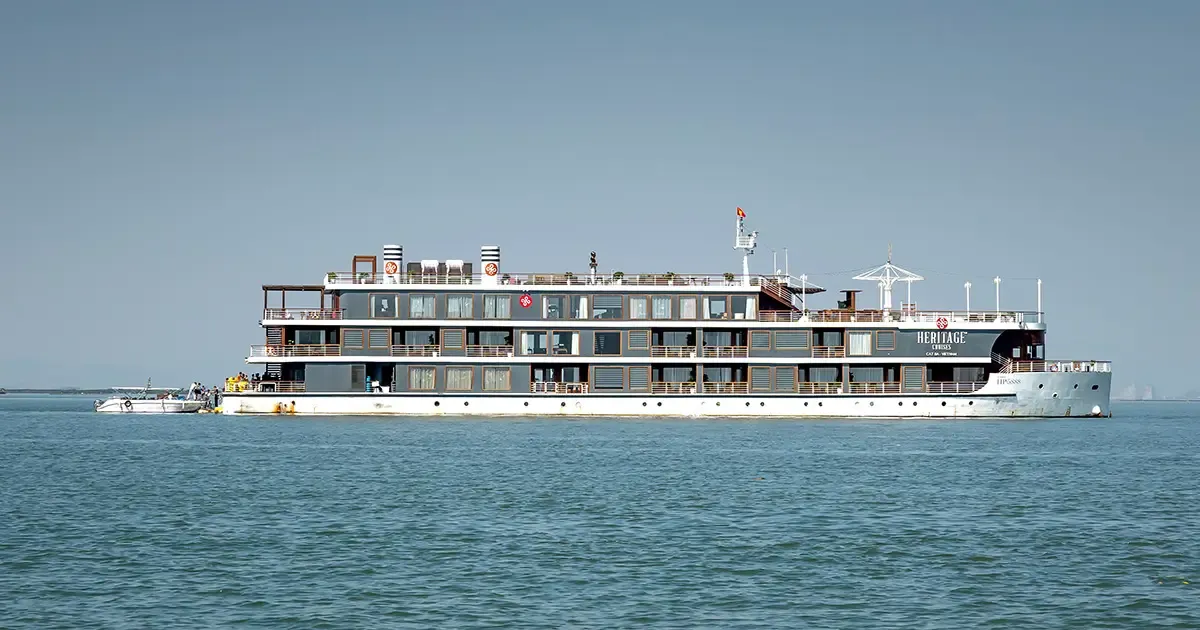
Why Rock Wool Is the Material of Choice at Sea
Rock wool (stone wool / mineral wool) is an inorganic insulation made by melting natural basalt and diabase rock above 1450C and spinning the melt into fine fibres (3-7 microns), then bonding them with an eco-friendly binder. With a density range of 80-150 kg/m3, it delivers a rare combination of fire safety, thermal efficiency and marine durability that organic foams simply cannot match.
In ships and offshore structures the environment is brutal: high salt spray, constant vibration, humidity and temperature swings from -50C polar waters to 1000C engine rooms. Rock wool thrives in exactly these conditions.
Key properties:
- Fire: melting point above 1000C; A-60 class fire rated (back-face temperature rise under 140C within 60 minutes), fully compliant with the IMO SOLAS convention.
- Thermal: thermal conductivity 0.038-0.042 W/(m·K), lower than glass wool, so less material is needed for the same effect.
- Marine durability: hydrophobicity above 98%, water absorption below 1%, and over 90% strength retention after 2000 hours of salt-spray testing.
- Comfort & safety: asbestos-free, fluorine-free, with smoke toxicity meeting IMO FTP Code Part 2.
Primary Applications on Ships and Offshore Structures
1. Fire Division Systems
Fire compartments are the backbone of maritime safety, and rock wool's A-class rating makes it the default choice. The material rules behind those ratings — which products qualify for A-15, A-30 and A-60 divisions, and what the IMO FTP Code actually tests — are set out in our marine fire insulation guide.
- Bulkheads and decks: A-60 rock wool sandwich panels (50-100 mm) fixed on metal studs separate engine rooms, cargo holds and accommodation blocks.
- H- and A-class structures: certified A-30 and A-60 fire-rated boards protect decks and bulkheads; in fire testing a typical LNG-carrier machinery-space panel held a back-face temperature of just 112C against the 140C limit.
- Fire doors and partitions: composite rock wool boards are used in doors and divisions between critical zones such as machinery spaces, cargo areas and living quarters.
2. Pipe and Equipment Insulation
Ships and offshore facilities run kilometres of piping that must stay hot, safe and efficient.
- Steam lines: rock wool pipe sections rated to 600C wrap steam mains, cutting heat loss and preventing burns.
- Subsea pipelines: specialised deep-sea, high-pressure-rated insulation systems keep subsea hot lines stable under extreme external pressure.
- Equipment: engines, heat exchangers and other high-temperature plant are insulated with rock wool for both safety and energy efficiency.
3. Cabin Comfort — Thermal and Acoustic
Modern vessels demand liveable, quiet spaces.
- Cold stores: high-density rock wool (120 kg/m3, conductivity 0.036 W/(m·K)) on cruise-ship cold stores delivers roughly 30% energy savings versus traditional materials.
- Accommodation soundproofing: composite rock wool acoustic boards (NRC at least 0.8) drop interior noise below 45 dB, sharply improving comfort.
- Polar vessels: aerogel-modified rock wool (conductivity 0.028 W/(m·K)) withstands -50C, holding heat during polar voyages.
4. Special Requirements for Naval and Defence Vessels
Military ships push material limits further.
- EM shielding: aluminium-coated rock wool attenuates electromagnetic waves by 30 dB for command and radar spaces.
- Lightweighting: low-density designs (under 150 kg/m3) trim hull weight, boosting manoeuvrability and fuel efficiency.
- Impact protection: four-layer composites (metal face / rock wool board / foam-aluminium core / metal backing) add blast and impact resistance.
5. Offshore Platforms
Offshore oil, gas and wind structures demand even stricter performance.
- Platform fire systems: rock wool builds fire barriers across fire zones, piping and equipment rooms to stop fire spread.
- High-temperature plant: drilling and processing equipment is insulated to protect personnel and conserve energy.
- Structural insulation: divisions between living and working areas provide temperature control and comfort.
Rock Wool vs Other Marine Insulation Materials
| Material | Conductivity W/(m·K) | Sound reduction dB(A) | Fire class | Corrosion resistance |
|---|---|---|---|---|
| Marine rock wool | 0.038-0.042 | 30-46 | A class | Excellent |
| Glass wool | 0.045-0.055 | 25-35 | B class | Moderate |
| Polyurethane foam | 0.031-0.035 | 28-38 | B class | Poor |
| Aerogel composite | 0.015-0.024 | 35-45 | A class | Excellent |
Against glass wool and polyurethane, rock wool wins on fire safety (fully non-combustible versus B-class organics) and on high-temperature stability (glass wool softens and fails when hot). Aerogel matches rock wool's A-class rating but at far higher cost, so the two are increasingly combined.
On cost, rock wool's initial price sits about 30% above glass wool, yet a 15-20 year service life, lower maintenance and hull-weight fuel savings make it cheaper across the full lifecycle. It is also easy to cut and fit, and modular prefabricated systems speed up shipyard installation.
Innovation and Future Directions
Greener chemistry. Formaldehyde-free binders (lignin or plant protein) cut VOC emissions by 50-80%, and dust-free rock wool with fibre emission under 0.1 mg/m3 raises handling safety. Some producers now use inorganic binders made from industrial waste.
Functional composites. Rock wool-aerogel boards reach 0.012-0.032 W/(m·K) at 40% less thickness and over 1 MPa strength for LNG-duty extremes. Graphene coatings push temperature resistance to 1200C, and aluminium-coated variants serve electromagnetic-shielding needs.
Smart manufacturing. Digital-twin furnace models, AI visual inspection for fibre uniformity, and 3D simulation design tools are raising quality consistency and lowering energy use.
System solutions. The industry is moving from single materials to modular prefabricated insulation, BIM-integrated design and IoT-based lifecycle monitoring.
Market Outlook
The global marine rock wool market reached about USD 1.8 billion in 2023 and is forecast to grow at a 6-8% CAGR through 2030, led by green-ship and emissions rules, smarter vessels, and rising polar and deep-sea demand. New-energy ships — battery rooms and fuel cells — are opening fresh fire-and-insulation roles for rock wool.
Meeting International Standards
Producers increasingly secure DNV, LR and ABS class-society certifications so products clear global markets. With aerogel costs falling, rock wool answers through modular design and rock wool-aerogel hybrids, while custom products target specific vessel and platform scenarios.
Conclusion
From a single fire-and-insulation material, rock wool has become an integrated marine system — fire safety, noise control and energy savings in one. Its A-class fire performance, superior thermal and acoustic behaviour, extreme-environment durability and full-lifecycle economy make it indispensable for ships and offshore engineering. As vessels green, smart and push into harsher seas, rock wool will keep guarding safe, comfortable and efficient operation worldwide.
Rock wool is the default for most of those duties, but not the only option. Where a spec needs conductivity, condensation and acoustic numbers compared across all five material families — rock wool, glass wool, calcium silicate, ceramic fibre and aerogel — our marine insulation specifications across all five material families guide lays out the side-by-side data and the selection matrix by zone.
Related Reading
For A-60 insulation inside the engine room and machinery spaces specifically, see our engine room & machinery space A-60 guide.
Explore flexible aerogel and microporous insulation options in our aerogel insulation guide.
Frequently asked
What is rock wool used for on ships and offshore platforms? +
Rock wool is used for A-class fire divisions (bulkheads, decks, fire doors), pipe and equipment insulation, cabin acoustic and cold-store insulation, naval EM-shielding and offshore-platform fire and structural barriers.
Is rock wool fire rated for marine use? +
Yes. Marine rock wool is A-60 class fire rated with a melting point above 1000C and meets the IMO SOLAS convention, making it the standard non-combustible material for ship fire compartments.
Does rock wool resist salt water and corrosion at sea? +
Rock wool is over 98% hydrophobic with under 1% water absorption and retains over 90% strength after 2000 hours of salt-spray testing, so it performs reliably in high-salt marine and offshore environments.
Can rock wool reduce noise in ship cabins? +
Yes. Composite rock wool acoustic boards with an NRC of at least 0.8 can lower interior noise below 45 dB, significantly improving comfort in accommodation and working spaces.
What rock wool products insulate marine pipes and equipment? +
Rock wool pipe sections rated to 600C insulate steam and process lines, while boards and blankets protect engines, heat exchangers and high-temperature plant; specialised deep-sea systems insulate subsea pipelines.
Is rock wool suitable for offshore oil and gas platforms? +
Absolutely. Offshore platforms use rock wool for fire barriers, high-temperature equipment insulation and structural divisions between living and working areas, often supported by DNV, LR and ABS class certifications.
Request a quote
Interested in our insulation solutions? Send us your requirements and our team responds within one business day.