
Rock Wool Insulation for Petrochemical & Refining: Applications & Benefits
Rock wool pipe insulation cuts refinery heat loss 16-60% with A1 fire rating, 600C resistance & 98% hydrophobicity. Explore applications, ROI and material comparisons.
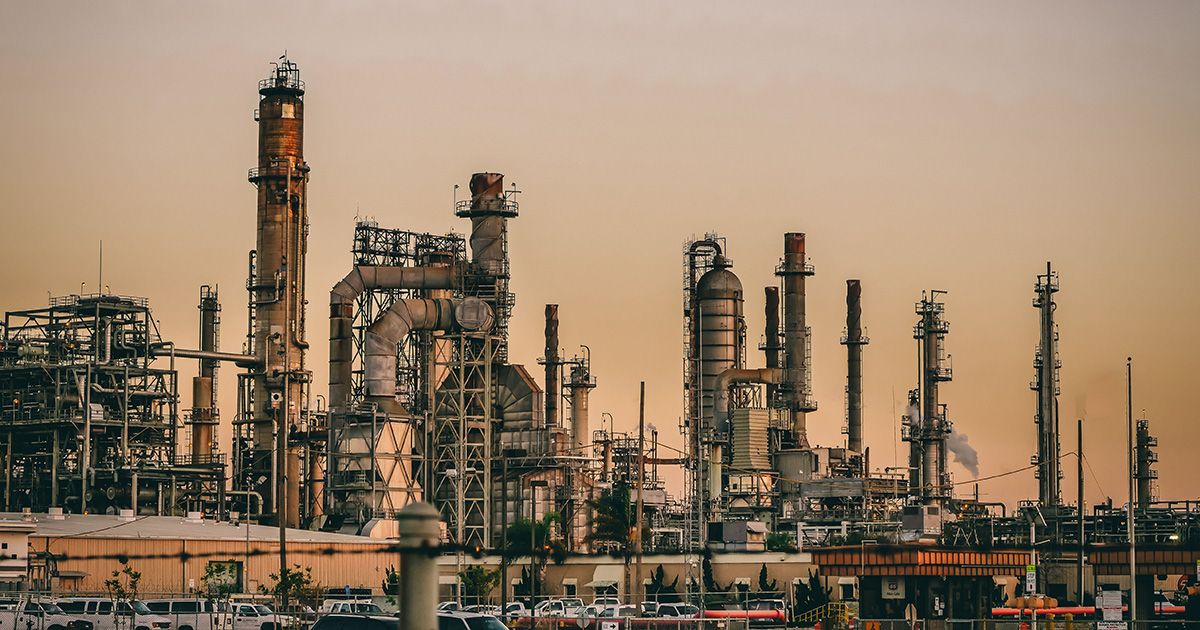
Rock wool (rockwool) has become the backbone insulation material across the petrochemical and oil refining industry. With the pipe insulation market for petrochemical plants surpassing multi-billion scale and a CAGR of 8.7%, rock wool now serves roughly 11.4% of refinery and chemical pipeline insulation demand thanks to its unmatched fire safety, high-temperature resistance and chemical stability. This guide breaks down where and why rock wool works in refineries, its economic return, and how it stacks up against aerogel, polyurethane foam, foam glass and calcium silicate.
Rock Wool Applications in Petrochemical & Refining
High-Temperature Pipe Insulation
Rock wool pipe sections are the first-choice material for high-temperature lines in refineries and petrochemical complexes. These pipelines carry hot oil, steam and heat-transfer fluids at 450-600C, with some zones absorbing short-term 800C shocks.
- Steam networks: refinery steam mains insulated with rock wool drop surface temperature from 150C to below 40C while cutting heat loss by up to 60%.
- Hot oil lines: process lines transporting heat-transfer oil retain process temperature and prevent overheating of the outer jacket.
- Reactor and heat-exchanger connections: keeps process temperature stable and reduces thermal energy waste.
In practice, high-temperature rock wool pipe systems use a two-layer design: an inner 128 kg/m3 layer at 75 mm plus an outer 64 kg/m3 layer at 75 mm, forming a 150 mm blanket that stays stable at 600C.
Low-Temperature Pipe Insulation
Low-temperature rock wool sections suit cryogenic media such as LNG tanks and low-temperature process lines down to -162C.
- Cooling water lines: hold low temperature and reduce cold loss.
- LPG and LNG transfer lines: keep liquefied gases stable during transport.
- Instrument air lines: prevent condensation and keep instruments working.
A typical low-temperature system wraps rock wool with an aluminum foil or stainless-steel jacket plus a vapor barrier, forming a multi-layer "rock wool + vapor barrier + jacket" structure that blocks moisture ingress.
Special Environments
Rock wool performs in the harsh corners of a refinery that defeat ordinary materials.
- Coastal high-salinity sites: paired with coal-tar epoxy + high-density rock wool + galvanized or FRP jacket, hydrophobicity at or above 98% delivers 15+ years of service in coastal refineries.
- High-vibration zones: high-density rock wool (100+ kg/m3) with dual "banding + anchoring" fixation keeps the layer stable at pumps, valves and reactors.
- Corrosive media: chemically inert rock wool resists acid/alkali and, with C2-grade foil-glass facing, holds 97%+ hydrophobicity after 1000 hours of humidity aging.
Core Advantages of Rock Wool Insulation
Fire Safety (A1 Non-Combustible)
Rock wool meets SH/T 3010-2025 for A-class non-combustible material in petrochemical equipment and piping.
- A1 non-combustible: highest fire rating, blocks flame spread.
- No toxic smoke: smoke toxicity index below 0.5 versus a 5.0 limit.
- High-temperature stability: stays structurally stable at 800C without softening, melting or burning.
In a refinery fire scenario, rock wool buys critical evacuation time and limits loss.
Heat Resistance
- Continuous service: above 600C for most refinery piping.
- Short-term tolerance: 800C shock for sudden high-temperature events.
- Thermal stability: no powdering or shedding at high temperature; under 5% performance loss after 2000 hours at 600C, while organic foams carbonize and need steel-clad protection.
Moisture & Corrosion Resistance
- Hydrophobicity: 98%+ (premium products 99%), slashing water penetration.
- Chemical stability: inert to acid/alkali, no corrosion to piping.
- Long life: 15-20 years under good protection, far beyond organic alternatives.
A fluorosilicone coating can drop surface energy below 20 mN/m for a lotus-leaf effect, stopping local water pooling and pipe corrosion.
Economic Benefits of Rock Wool
Lower Initial Cost
- Material price: roughly 3-5x cheaper than aerogel.
- Fast installation: pre-formed pipe sections wrap directly, cutting site fabrication.
- No complex pretreatment: unlike calcium silicate, no high-temperature sintering needed.
For a DN200 steam line, rock wool costs roughly one-third less than an aerogel composite system.
Maintenance & Service Life
- Service life: 15-20 years typical; 12-18 years even at 400C+ or heavy corrosion.
- Low maintenance: inspect every 6 months; recoat every 10 years to extend life past 25 years.
- Predictable cost: polyurethane lasts only 3-4 years and needs frequent replacement.
Energy Savings
- High-temperature lines: 16-60% heat-loss reduction; one 30 km steam network retrofit hit 42% measured reduction.
- Low-temperature lines: 15-20% cold-loss reduction; one northern LNG project reported meaningful annual fuel savings.
- Short payback: 3-5 years for refinery high-temperature piping, well below most alternatives.
A 1 km DN200 steam line drops surface temperature from 150C to below 40C, cuts heat loss 60% and delivers measurable fuel savings per line.
Rock Wool vs Other Insulation Materials
Rock Wool vs Calcium Silicate
| Property | Rock Wool | Calcium Silicate |
|---|---|---|
| Temp limit | 600C (800C short) | 1000C+ |
| Fire rating | A1 | A |
| Density | 80-160 kg/m3 | 120-200 kg/m3 |
| Initial cost | Lower | Higher |
| Service life | 15-20 yr | 12-20 yr |
| Install ease | High | Medium |
Calcium silicate wins only above 1000C; rock wool leads on cost and stability below 600C. How those material boundaries play out unit by unit is mapped in our guide to refinery insulation engineering by process unit.
Rock Wool vs Polyurethane Foam
| Property | Rock Wool | PU Foam |
|---|---|---|
| Conductivity | 0.032-0.040 W/(m·K) | 0.022-0.027 W/(m·K) |
| Temp range | -200 to 650C | -50 to 150C |
| Fire rating | A1 | B1/B2 |
| Life | 15-20 yr | 3-5 yr |
PU conducts slightly better but fails on fire and temperature range; it needs extra fire protection in refineries.
Rock Wool vs Foam Glass
| Property | Rock Wool | Foam Glass |
|---|---|---|
| Fire rating | A1 | A1 |
| Density | 80-160 kg/m3 | 150+ kg/m3 |
| Conductivity | 0.032-0.040 | 0.060-0.064 |
| Cost | Lower | Higher |
| Install ease | High | Low |
Foam glass suits deep-cryogenic and buried wet zones but is heavy, costly and brittle.
Rock Wool vs Aerogel
| Property | Rock Wool | Aerogel |
|---|---|---|
| Conductivity | 0.032-0.040 | 0.013-0.018 |
| Initial cost | Low | 3-5x higher |
| Payback | 3-5 yr | 3-4.6 yr |
| Life | 15-20 yr | 15-20 yr |
Aerogel cuts 30-40% more heat loss but at 3-5x cost; rock wool remains the economical default for most refinery piping.
Challenges & Solutions
| Challenge | Solution |
|---|---|
| Edge water absorption | Polyurethane edge-sealing wraps the core six sides; 20+ yr life |
| Fiber shedding on cutting | Supplier pre-cutting and facing lamination reduce site dust |
| Long-term performance loss | Nano hydrophobic additive holds 97%+ after 1000 h aging |
| Harsh install conditions | Multi-layer "rock wool + vapor barrier + jacket" structure |
Conclusion & Recommendations
Rock wool delivers broad application value and clear economic return across petrochemical and refining insulation, covering -200C to 600C pipeline needs with A1 fire safety, chemical stability and high hydrophobicity. For high-temperature lines choose 120+ kg/m3 pipe sections at 50-150 mm with aluminum or galvanized jackets; for cryogenic lines use low-temp-grade rock wool with stainless or foil jackets; for coastal sites adopt the three-layer anti-corrosion composite. With a 3-5 year payback and 15-20 year life, rock wool remains the most balanced refinery insulation material as safety and energy rules tighten.
For the site-wide picture across every material family on the same duties — ceramic fibre, calcium silicate, glass wool and aerogel included — our full petrochemical plant insulation guide covering every material family selects unit by unit.
Related Reading
Explore flexible aerogel and microporous insulation options in our aerogel insulation guide.
Frequently asked
Why is rock wool used for refinery pipe insulation? +
Rock wool is A1 non-combustible, resists up to 600C continuous (800C short-term) and is chemically inert, making it ideal for the fire-safe, high-temperature and corrosive conditions found in refineries and petrochemical plants.
What temperature can rock wool insulation withstand? +
Rock wool performs at 600C continuous service and tolerates 800C short-term shocks. Below 600C it is more cost-effective than calcium silicate or aerogel for refinery piping.
How much heat loss does rock wool reduce in steam lines? +
Rock wool pipe insulation cuts refinery steam-line heat loss by 16-60%. A 30 km steam network retrofit recorded a 42% measured reduction, and a 1 km DN200 line dropped surface temperature from 150C to below 40C.
Is rock wool better than aerogel for petrochemical insulation? +
Aerogel insulates 30-40% better but costs 3-5x more. For most refinery and petrochemical piping, rock wool offers the better balance of fire safety, service life and payback (3-5 years).
What density and thickness of rock wool for high-temperature pipes? +
For refinery high-temperature lines choose 120+ kg/m3 density pipe sections at 50-150 mm thickness, paired with an aluminum foil or galvanized steel jacket for stable 600C service.
How long does rock wool insulation last in a refinery? +
Under normal refinery conditions rock wool lasts 15-20 years; even at 400C+ or heavy corrosion it reaches 12-18 years. Inspect every 6 months and recoat every 10 years to extend life past 25 years.
Request a quote
Interested in our insulation solutions? Send us your requirements and our team responds within one business day.