
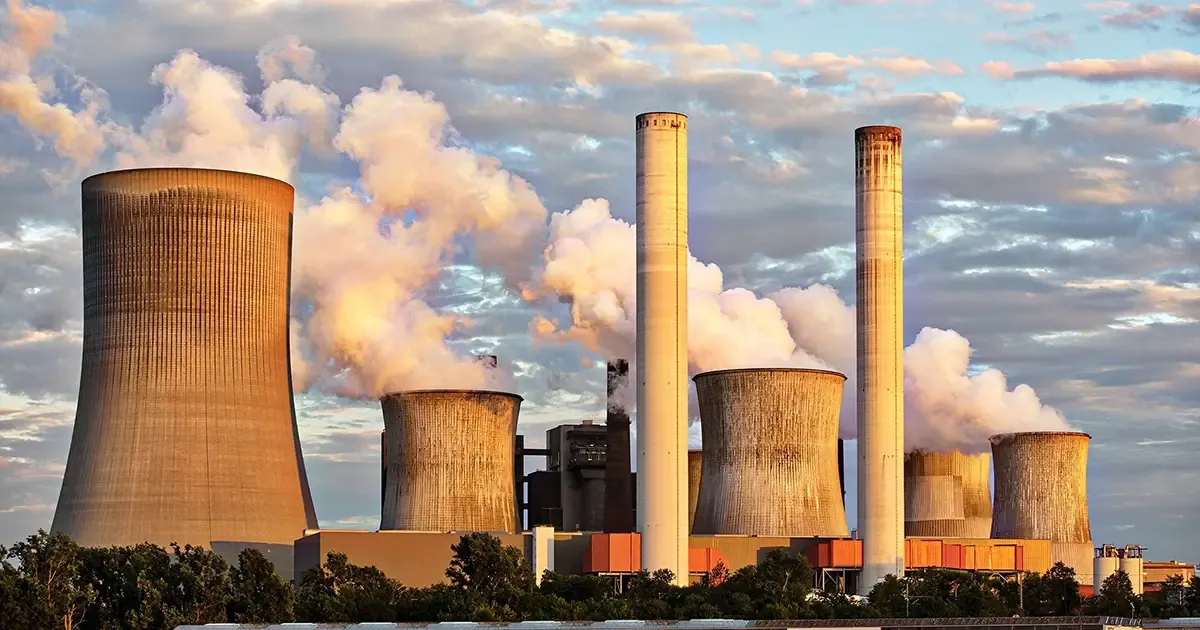
Power Generation
Amid global energy transition and carbon-reduction targets, the power generation industry must balance operational efficiency with safety and environmental responsibility. Rosewool delivers high-temperature insulation for boilers, steam turbines, HRSGs, flue-gas ducts, substations, nuclear facilities, offshore wind platforms and energy storage stations — with rock wool, ceramic fiber and calcium silicate performing reliably from -268°C up to 1000°C and beyond.
Amid global energy transition and carbon reduction targets, the power generation industry must balance operational efficiency with environmental responsibility. Whether coal-fired, gas turbine, or combined cycle, power plants rely on robust thermal insulation to maximize heat rate, protect personnel, and meet emissions goals.
Rosetexwool supports the full power generation lifecycle — from high-temperature boiler linings and turbine insulation to emissions control and district heating networks. Our ceramic fiber, rock wool, calcium silicate, and aerogel products are trusted by power stations worldwide for reliability under continuous operation.
Beyond the Boiler: Fire-Safe Insulation Across the Grid
Rock wool's A1 non-combustible rating, up to 650°C long-term stability and ≥3 h fire-resistance limit make it the default choice wherever power assets face extreme heat or fire risk.
Substations & Power Equipment
Transformers, prefabricated substations and cable trays are wrapped or partitioned with rock wool (density ≥100 kg/m³, thickness 50–80 mm) to cut heat, protect crews and stop cable-trench fires from spreading.
Nuclear Power Facilities
Main steam pipes, valve chests and cable trenches in nuclear islands use low-chloride rock wool (Cl⁻ ≤10 mg/kg) to avoid stress corrosion of austenitic stainless steel while meeting A1 fire demands.
Offshore Wind
Platform steam lines, nacelle equipment and transformer cabinets rely on water-repellent rock wool (hydrophobicity ≥98.5%) and anti-corrosion coatings to survive salt-spray and high-humidity service.
Energy Storage Stations
Battery-compartment fire separation and cable-trench barriers use rock wool fire boards (thickness ≥50 mm) to contain thermal runaway and meet A-class fire ratings.
Application Scenarios
Typical Power Generation Application Scenarios
Power plants concentrate some of the most demanding thermal, fire-safety and corrosion challenges in any industry. Coal, gas, biomass, nuclear, concentrated-solar and offshore-wind facilities each stress insulation differently — from 1200°C superheater tubes to sub-zero LNG-adjacent lines. Below are the power plant insulation scenarios we engineer solutions for.
Boiler & Furnace Linings
Water-tube and packaged boilers run continuously above 1000°C. We install ceramic fiber blanket and modules as back-up lining behind the refractory to lower furnace-wall temperature, cut heat loss and speed cold start-up. The same ceramic fiber lines flue-gas ducts and air ducts to limit radiant loss from the gas path.
Steam Turbine & Main Steam Piping
Main steam lines, hot-reheat and superheater connections operate at 1100–1430°C. We insulate them with ceramic fiber pipe shells that resist thermal shock during start-stop cycling and keep surface temperatures within safe limits for personnel and adjacent cabling.
HRSG & Flue-Gas Ductwork
Combined-cycle HRSG casings and ductwork are wrapped with mineral wool board or blanket held by stainless-steel lagging. This is the standard HRSG thermal package for casing, expansion joints and stack bases, reducing stack heat loss and protecting outer cladding.
Cable Trenches & Substation Fire Walls
Rock wool fire blankets and boards built into cable trenches stop flame spread between circuits, while rock wool composite board forms substation firewalls and switchgear-room fire partitions that keep electrical equipment safe during an incident.
Turbine & Equipment Foundations
Turbine pedestals, pump bases and large equipment foundations are insulated with rock wool slabs that reduce floor temperature, protect the concrete and improve working conditions in the turbine hall.
Nuclear Auxiliary Systems
For nuclear islands and conventional islands we supply low-chloride rock wool (chloride ≤10 mg/kg) that avoids stress-corrosion cracking of stainless steel, plus calcium silicate for reactor auxiliary piping and fire compartments and ceramic fiber for valve-stem insulation and fire doors.
Concentrated Solar Power (CSP) & Molten Salt
CSP receivers and high-temperature molten-salt piping are insulated with ceramic fiber that withstands the tower operating envelope, while calcium silicate wraps molten-salt storage tanks for corrosion-resistant, long-duty thermal containment.
Offshore Wind & Energy Storage
Water-repellent rock wool (hydrophobicity ≥98.5%) with epoxy anti-corrosion coating performs reliably on platform steam lines, and rock wool fire boards (≥50 mm) build A-class fire separations in battery compartments and line cable trenches at energy-storage stations.
Material Selection Logic
We specify ceramic fiber for zones above 800°C (boiler, superheater, main steam), rock wool for 300-800°C duty (HRSG, substations, equipment foundations), calcium silicate where structural load or damp conditions demand high compressive strength, and glass wool for HVAC ducts, cable trays and low-to-medium-temperature water lines.
Related Articles
Related Applications
Power plants span steam, gas, nuclear, and solar cycles. Related energy and process applications:
- Petrochemical insulation for process and utility insulation
- Iron and steel insulation for high-temperature process insulation
- Concentrated solar power insulation for solar thermal insulation
- Pipe insulation for steam, feed, and utility piping
- Nuclear power insulation for reactor and turbine insulation
Why Rosetexwool
Key Benefits
Why Power Generation operations choose Rosetexwool insulation solutions.
Improved Heat Rate
Superior insulation reduces heat loss from boilers and piping, directly improving plant heat rate and fuel efficiency.
Personnel Protection
Low surface temperatures on hot equipment protect operators and maintenance crews in high-traffic plant areas.
Rapid Outage Turnaround
Pre-fabricated modules and removable blankets speed up boiler and turbine maintenance during planned outages.
Emissions Compliance
Effective SCR and FGD insulation maintains optimal operating temperatures for NOx and SOx reduction systems.
Support
Frequently asked questions
What insulation do you recommend for HRSG ductwork? +
We recommend mineral wool board or blanket with stainless steel lagging for HRSG casing and ductwork. For high-temperature areas near the gas turbine exhaust, ceramic fiber blanket provides the necessary temperature resistance. Our team can help size and specify for your HRSG configuration.
Can you supply removable insulation blankets for turbines? +
Yes, we manufacture custom removable/reusable insulation pads for gas turbine casings, steam turbine valve chests, and associated flanges and fittings. Send us your equipment drawings for a quotation.
Do you have insulation for district heating networks? +
Yes. Our rock wool pipe sections and calcium silicate pipe insulation are widely used in district heating. We provide pre-formed sections in standard and custom diameters with aluminum or galvanized steel cladding options.
Can rock wool be used in nuclear power plant insulation? +
Yes. For nuclear islands and conventional islands we supply low-chloride rock wool (chloride ≤10 mg/kg) that avoids stress corrosion of austenitic stainless steel, with A1 fire rating and long-term stability at 600°C+ for main steam pipes, valve chests and cable trenches.
Is rock wool suitable for offshore wind platform insulation? +
Yes. Water-repellent rock wool (hydrophobicity ≥98.5%) combined with epoxy anti-corrosion coatings performs reliably on platform steam lines, nacelles and transformer cabinets in high-humidity, salt-spray offshore environments, with a service life of 15+ years.
How does rock wool improve fire safety in energy storage stations? +
Rock wool fire boards (thickness ≥50 mm) form A-class fire separations in battery compartments and line cable trenches, containing thermal runaway and preventing fire spread between energy storage units.
Ready to start? Tell us your specs — we'll quote within 24 hours.
Get pricing
Request a quote for Power Generation solutions
Tell us about your power generation project requirements — our team responds within one business day.