
Aerogel vs Fiberglass Insulation: Head-to-Head Comparison 2026
Aerogel vs fiberglass insulation compared: thermal conductivity, R-value per inch, thickness for equal performance, temperature, moisture and cost - plus when each one wins.
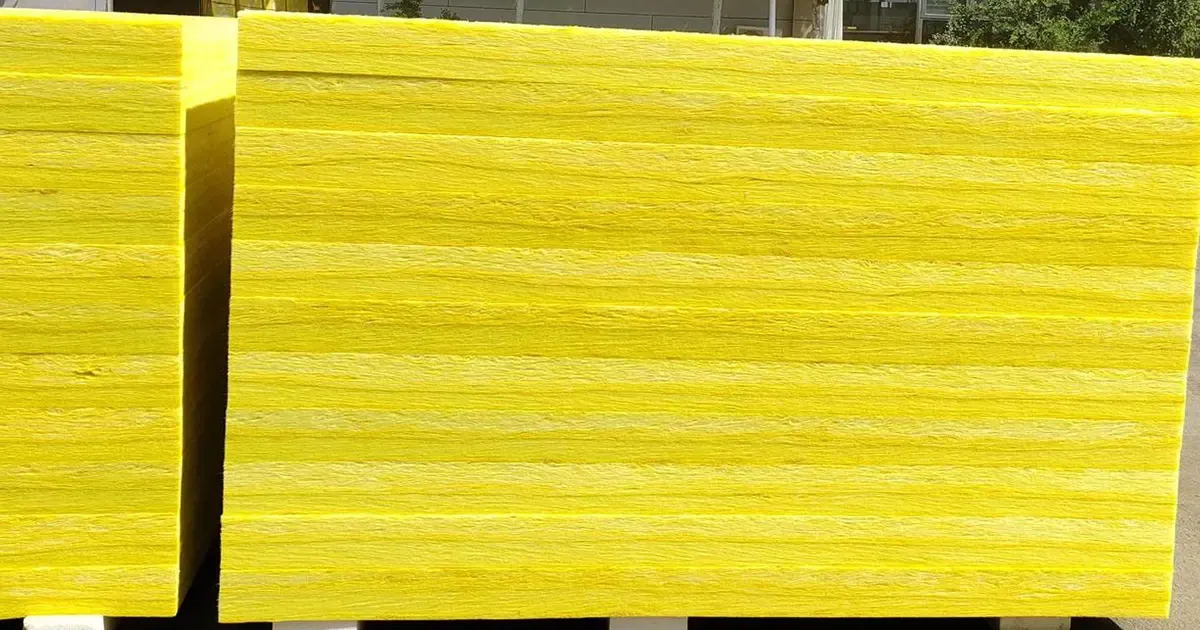
Aerogel blanket and fiberglass (glass wool) insulation sit at opposite ends of the industrial insulation market: one is the thinnest high-performance material available, the other is the lowest-cost workhorse. Buyers rarely ask "which is technically better" - they ask "which one belongs in this specific job." This comparison answers that question directly, with the numbers that change the decision rather than marketing claims.
Aerogel vs Fiberglass: Head to Head
| Property | Aerogel blanket | Fiberglass (glass wool) |
|---|---|---|
| Thermal conductivity at 25 °C | 0.015-0.021 W/m·K | 0.032-0.045 W/m·K |
| R-value per inch | approx. R-7 to R-10 | approx. R-3 to R-4 (batt) |
| Max continuous service | up to 650 °C | about -120 °C to 400 °C (industrial); building batts lower |
| Thickness for same R | baseline | roughly 2.5-3x thicker |
| Moisture behavior | hydrophobic, does not wick | wets and wicks if the facing fails |
| Fire classification | non-combustible | A1 / Class A non-combustible |
| Material cost | USD 20-40/m2 typical | USD 0.55-1.05/sq ft batt material |
| Best fit | space-limited, hot, wet, or high-value | low-temperature, cost-driven, room to spare |
Thermal Performance: Why Aerogel Leads per Inch
Aerogel's nanoporous silica structure suppresses all three heat-transfer modes at once - solid conduction, gas conduction in pores smaller than air's mean free path, and radiation (with opacifiers). The practical result is a thermal conductivity roughly two to three times lower than fiberglass and an R-value per inch that is about double. On a per-unit-of-thermal-resistance basis, fiberglass does not close the gap: aerogel delivers the same R in roughly one-third of the thickness.
Thickness and Space: The Real Differentiator
For the same heat-loss target, fiberglass needs about 100-130 mm where aerogel needs 35-50 mm - two and a half to three times the thickness. That gap is invisible on a wide-open attic floor but decisive in a pipe rack, a valve box, a ship hull, or a retrofit wall cavity where every centimeter is contested. When space is free, thickness barely matters; when space is tight, it is the whole argument.
Temperature Capability
Industrial glass wool fiberglass typically serves from about -120 °C up to 400 °C, while common building batts are rated to lower temperatures. Aerogel blanket serves continuously up to 650 °C and down to cryogenic levels near -196 °C (within the flexible-aerogel-insulation specification range). Above roughly 400 °C, fiberglass is simply out of its envelope and aerogel (or a ceramic or calcium-silicate material) takes over. For the high-temperature side of the same job, compare aerogel vs ceramic fiber separately.
Moisture and Corrosion Under Insulation
Aerogel is hydrophobic and does not wick water, which makes it a strong choice where corrosion under insulation (CUI) is a risk - wet, warm steel under a failed vapor barrier. Fiberglass is non-combustible and stable, but once its facing or vapor retarder is compromised it holds moisture and passes it to the pipe. In below-ambient or cyclic-temperature service, that single property can outweigh the price difference over the life of the asset.
The Cost Reality
Per square meter or square foot, aerogel runs roughly 5-10x the price of fiberglass. Per unit of R-value the gap narrows to about 2-4x, because aerogel is far more efficient. Fiberglass wins the material-only line item by a wide margin; aerogel wins when you price the whole system - less cladding, less structural support, smaller transport volume, and lower CUI-driven maintenance. The detailed price picture is in our aerogel insulation cost and price guide, and the fiberglass side is covered in our 2026 fiberglass insulation cost guide.
When Fiberglass Wins
Fiberglass is the right call when:
- The service temperature stays within its envelope and margin.
- There is ample space for the required thickness.
- Energy prices, downtime cost, and corrosion risk are low.
- The priority is lowest first cost on a large, simple area (attics, cavity walls, equipment at moderate temperature).
In these cases the 5-10x material premium of aerogel cannot be recovered, and fiberglass delivers the needed R-value at a fraction of the cost. See the glass wool blanket and glass wool board product pages for grade options.
When Aerogel Wins
Aerogel earns its price when one or more of these dominate:
- Space-constrained retrofits where 2.5-3x less thickness fits where fiberglass will not.
- Corrosion-sensitive or below-ambient service where hydrophobic behavior protects the pipe.
- Cryogenic and LNG systems operating far below fiberglass limits.
- High-temperature steam and process lines up to 650 °C where a thin wrap controls surface temperature.
- Transport and logistics where lower volume and weight cut freight.
- High-value or high-downtime assets where faster install and fewer interventions carry real money.
Decision Framework
- Set the operating and peak temperature; eliminate any material outside its envelope.
- Measure the available thickness; if it is tight, fiberglass may be disqualified on geometry alone.
- Assess moisture and CUI risk; below-ambient or cyclic service favors hydrophobic aerogel.
- Compare full installed cost, not material price - include cladding, supports, freight, and expected maintenance.
- Model the lifecycle: energy saved, downtime avoided, and corrosion repairs prevented.
- Choose the thinner, higher-cost option only where steps 2-5 show a real return.
A Simple Crossover Example
Take a 200 °C steam line where the spec allows only 50 mm of insulation in the pipe rack. Fiberglass would need roughly 100-130 mm to hit the same heat-loss target and will not fit. Aerogel meets the target in the available space. Here the decision is not "which is cheaper per square meter" but "which one fits and still performs" - and aerogel wins on geometry before cost is even discussed. Conversely, the same R-value on an open plant-room wall where 150 mm is acceptable makes fiberglass the economical default.
Key Takeaways
- Aerogel beats fiberglass by roughly 2-3x per inch of thickness and serves a much wider temperature range, up to 650 °C and down to cryogenic levels.
- Fiberglass wins decisively on material cost and is the correct choice wherever space, temperature, and corrosion risk allow.
- The decision hinges on space, temperature, moisture, and total installed cost - not on which material is "better" in isolation.
- For the broader price context, read our aerogel vs traditional insulation thickness and cost guide, and for ultra-thin alternatives see our nano vs aerogel vs microporous comparison.
Explore the products behind this comparison on the aerogel insulation hub and the glass wool insulation hub, or browse the nano aerogel insulation blanket for the thinnest grade.
Frequently asked
Is aerogel better than fiberglass insulation? +
Per inch, yes - aerogel has roughly two to three times the R-value of fiberglass and serves a much wider temperature range, up to about 650 °C and down to cryogenic levels. But fiberglass is far cheaper per square meter and is the better choice wherever there is space, moderate temperature, and low corrosion risk. The right answer depends on the job, not on which material is superior in isolation.
How much thinner is aerogel than fiberglass for the same R-value? +
For the same heat-loss target, aerogel typically needs about 35-50 mm where fiberglass needs roughly 100-130 mm - two and a half to three times less thickness. That space saving is the main reason aerogel is specified in pipe racks, valve boxes, and tight retrofits where fiberglass will not physically fit.
Can fiberglass replace aerogel? +
Only where the service conditions allow it: temperatures within fiberglass limits (industrial glass wool about -120 °C to 400 °C, building batts lower), enough space for the thicker layer, and low corrosion-under-insulation risk. Above those limits, or where space and moisture dominate, aerogel or another high-temperature board is required.
Is aerogel worth the extra cost versus fiberglass? +
On material price alone, no - aerogel runs roughly 5-10x the cost per area. It becomes worth it when thinner profile, hydrophobic behavior, transport volume, or avoided corrosion and downtime maintenance offset the premium on a total-installed-cost and lifecycle basis. For open, moderate-temperature areas, fiberglass is the economical default.
What temperature can fiberglass insulation handle? +
Industrial glass wool fiberglass typically serves from about -120 °C up to 400 °C, while common building batts are rated to lower temperatures. Aerogel blanket serves continuously up to 650 °C and down to cryogenic levels, so above roughly 400 °C fiberglass is outside its envelope.
Does aerogel resist moisture better than fiberglass? +
Yes. Aerogel is hydrophobic and does not wick water, which protects warm steel under a failed vapor barrier from corrosion under insulation. Fiberglass is non-combustible and stable but, once its facing or vapor retarder is compromised, holds moisture against the pipe - a meaningful disadvantage in below-ambient or cyclic-temperature service.
Which is better for pipe insulation? +
For standard low-temperature or moderate-temperature lines with space to spare, fiberglass is the cost-effective choice. For tight pipe racks, cryogenic lines, or corrosion-sensitive and high-temperature steam service, aerogel blanket wins on thickness, moisture resistance, and temperature capability even at a higher material price.
Request a quote
Interested in our insulation solutions? Send us your requirements and our team responds within one business day.