
Cost of Fiberglass Insulation in 2026: per Sq Ft, Batt, Blown-In
Fiberglass insulation cost in 2026: USD 0.55-1.05/sq ft material, 0.85-2.00 installed batts, 1.00-2.10 blown-in, R-49 attic math, vs rock wool and foam, and a 10-point quote checklist.
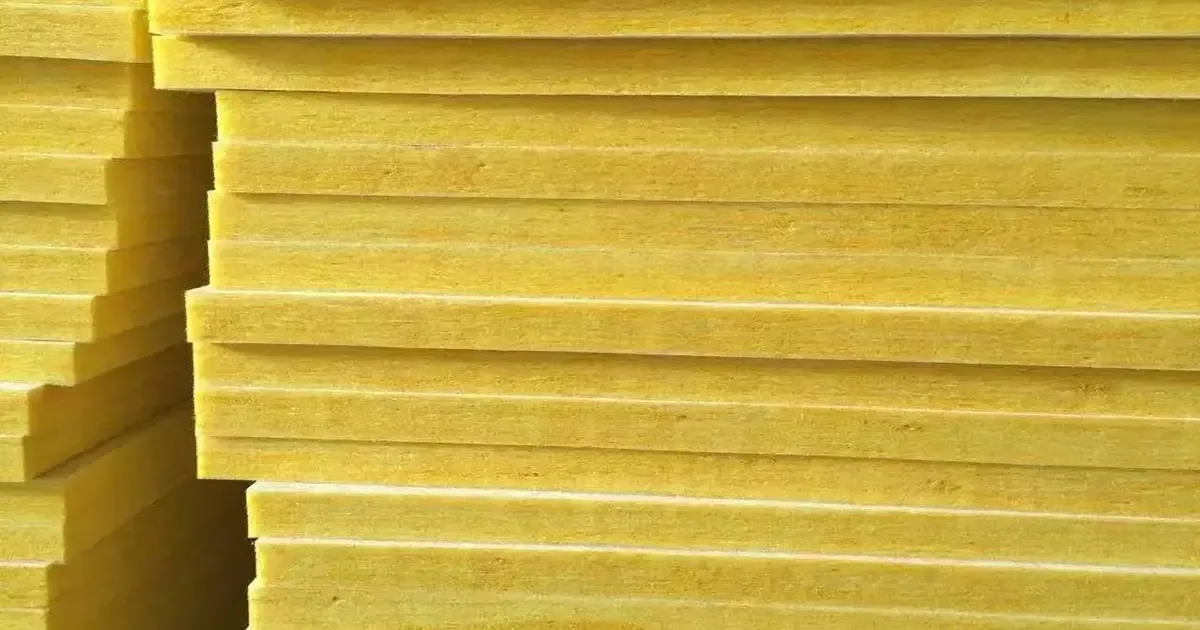
Fiberglass insulation cost is the first number in nearly every home retrofit budget, and in 2026 the honest answer starts with a distinction: material price and installed price are different numbers with different scopes. As planning bands for the United States, batt and blanket material alone screens at roughly USD 0.55–1.05 per square foot, batts installed at USD 0.85–2.00 per square foot, and blown-in loose-fill glass wool installed at USD 1.00–2.10 per square foot. For a clean, walkable 1,500 sq ft attic upgraded to a total of R-49, that math screens to about USD 1,500–3,150 before add-ons. Fiberglass is the North American trade name for glass wool — the same inorganic glass-fiber insulation family supplied worldwide — and keeping the terminology straight is the first step toward comparing bids that actually describe the same work.
What You Are Actually Paying For: Scope Before Price
The most common quote error is treating a per-square-foot figure as if it covered the same scope everywhere. "Fiberglass insulation cost per square foot" can mean unfaced roll material at retail, material plus delivery, blown material plus machine and labor, or an all-in project price. The table below is a planning screen for bid validation, not a guaranteed price.
| US residential scope | Typical 2025–2026 screen | Usually included / excluded |
|---|---|---|
| Batt or roll material only | USD 0.55–1.05/sq ft | Product at retail or delivered; no labor, often no tax |
| Batt installed | USD 0.85–2.00/sq ft | Cutting, fitting and product; often excludes air sealing, removal and decking |
| Blown-in installed | USD 1.00–2.10/sq ft | Machine, material and labor for accessible attics; removal usually extra |
| Small or hard-to-access jobs | Higher fixed minimum | Narrow hatches, kneewalls, stair carries and setup time raise unit cost |
Use these ranges to validate bids, not to invent a national average. If one contractor quotes USD 0.90/sq ft installed for a large, walkable attic and another quotes USD 2.60/sq ft for the same material, the difference should be explainable — attic access, R-target, old-material removal, air sealing, ventilation corrections, minimum charges, taxes or warranty. Never average the low material price with the high installed price; the result describes no real project.
For the product forms behind these numbers, see the glass wool insulation overview and the individual glass wool blanket and glass wool board pages.
Fiberglass Batt Insulation Cost and R-Value Placement
Batts are pre-cut to standard cavity widths; rolls are continuous material cut to length. Mainstream manufacturers' technical literature documents flexible residential products from R-11 to R-38, with nominal thicknesses from about 3.5 to 12 in, commonly manufactured to ASTM C665 for thermal and acoustical performance. Kraft or foil facings act as vapor retarders and are not intended to be left exposed.
There is no single universal "R per inch" for every batt — density and product construction vary, and compressing a batt into a shallow cavity reduces its tested R-value. Specify from the label R-value and the manufacturer's coverage chart for the exact product.
| Nominal R-value | Typical residential location | Planning note |
|---|---|---|
| R-13 / R-15 | 2x4 wall cavities | R-15 is usually higher density in the same depth |
| R-19 / R-21 | 2x6 walls, floors | Confirm thickness fits the framing depth |
| R-30 / R-38 | Attics, cathedral ceilings, floors | Common attic targets |
| R-49 | Whole-attic retrofit target | Usually an assembly total, not a single batt |
For a 1,000 sq ft attic floor, batt material alone screens around USD 550–1,050, and installed cost with cutting and detailing lands near USD 850–2,000. A second layer laid perpendicular to the joists reduces thermal bridging through framing, but only unfaced material should be added over an existing vapor retarder unless the assembly design explicitly allows a second facing. The form-by-form trade-offs are compared in detail in our glass wool board vs blanket vs batt guide.
Blown-In Fiberglass Cost and the R-49 Attic Example
Loose-fill is often the fastest way to raise attic R-value. Installed price depends on the starting R-value, the target net R-value, attic square footage, obstructions, and whether material is added over existing insulation. A practical estimator:
installed cost = attic square footage x installed unit price + fixed site charges + add-ons
For a clean, walkable 1,500 sq ft attic using the USD 1.00–2.10/sq ft installed band:
- Low screen: 1,500 x 1.00 = USD 1,500
- High screen: 1,500 x 2.10 = USD 3,150
- Planning range: USD 1,500–3,150
This assumes existing insulation stays in place, soffits are clear, no major air sealing or remediation is included, and the crew can reach the full floor area. If wet or contaminated insulation must be removed first, the project moves toward the high end or beyond. Bags-per-attic is not a valid bid unit without a target settled depth and coverage chart — ask the contractor to state both.
Whole-Home Fiberglass Insulation Cost in 2026
A 2,000 sq ft house does not contain 2,000 sq ft of wall plus 2,000 sq ft of attic. Attic floor area, wall height, window percentage, rim joists, basement or crawlspace walls, and floors over unconditioned spaces all differ, so whole-home budgets need separate takeoffs:
whole-home budget = attic + exterior walls + rim joists + basement/crawl walls + floors over unconditioned spaces
For a typical 2,000 sq ft US single-family home with a mixed glass wool scope, a conditional planning range is USD 4,000–10,000 installed. It falls if the project is only an attic top-up and rises substantially with full wall-cavity work, dense-pack conversions or remediation. Treat any single number quoted from house square footage alone as a red flag.
Fiberglass vs Rock Wool Cost (and the Other Alternatives)
Glass wool usually leads on first cost. Rock wool and mineral wool cost more but are often chosen for fire performance, density and acoustics. Spray foam changes the air-barrier and moisture strategy rather than simply scaling the price.
| Material and installed form | 2025–2026 installed screen | Main retrofit caveat |
|---|---|---|
| Glass wool batt | USD 0.85–2.00/sq ft | Correct sizing and zero compression are critical |
| Blown glass wool | USD 1.00–2.10/sq ft | Machine, depth control, vent and fixture detailing |
| Blown cellulose | USD 1.15–2.40/sq ft | Density, settling and moisture design |
| Rock/mineral wool batt | USD 1.20–2.75/sq ft | Higher material and labor cost |
| Open-cell spray foam | USD 1.25–3.00/sq ft | Professional application; ventilation design |
| Closed-cell spray foam | USD 3.00–6.00/sq ft | Highest first cost, most assembly-sensitive |
The fair comparison is not "which material is best" but which assembly reaches the performance target at the lowest whole-project cost once access, remediation, air sealing and risk are counted. For mechanical and piping budgets, see our dedicated fiberglass pipe insulation cost and R-value guide.
Cost Drivers That Move the Quote More Than the R-Value
| Driver | Effect on price |
|---|---|
| Target R-value and thickness | More depth means more material and longer install time |
| Area and complexity | Obstacles, chases and ducts add detailing labor |
| Accessibility | Hatches, steep slopes, decking and long carries add cost |
| Removal of old material | Damaged or contaminated insulation is a separate line item |
| Air sealing | Often cost-effective, frequently quoted separately |
| Ventilation corrections | Soffit baffles and blocked eave clearance add scope |
| Moisture, mold or pests | Remediation must be separated from insulation work |
| Local labor and seasonality | Urban rates and peak-season demand shift bids |
A quote that states only "R-49 blown-in" without asking about access, existing insulation, soffit condition or removal should be revised with explicit assumptions.
2026 Incentives: Verify Before You Sign
US federal insulation incentives changed after 2025 legislative updates, so a 30% federal credit assumption is not a current bid input. Check current IRS guidance and your own tax position before contracting. Canadian incentives are provincial and territorial programs with their own eligibility rules, documentation and contractor requirements — a verbal assurance that "the government pays most of it" is not a budget line.
Canada: Quote in CAD, Do Not Convert
There is no credible national CAD per-square-foot figure that can replace a local quote. US installed ranges should never be multiplied by an exchange rate: taxes, wages, code requirements, material availability and project minimums differ. The reliable process is to collect three written, itemized CAD quotes for the same square footage and R-target — each stating tax treatment, removal, air sealing, baffles, access and disposal — then divide the itemized installed total by the attic area.
Quote Checklist for 2026 Projects
- Attic square footage and desired total R-value.
- Existing insulation type, condition and estimated R-value.
- Joist spacing, clear depth and any decking or storage platforms.
- Access hatch size, ladder availability and carry distance.
- Air sealing scope and pricing.
- Removal method and disposal fees for existing material.
- Baffle, vent and recessed-fixture detailing.
- Product type, facing, density and label R-value.
- Target installed depth or verified final R-value.
- Taxes, permits, warranty and start/completion dates.
Bottom Line
In 2026 the correct fiberglass insulation quote starts with the assembly and ends with the installed total — not the bag price. Treat USD 0.85–2.00/sq ft (batts installed) and USD 1.00–2.10/sq ft (blown-in installed) as screening bands, treat R-49 as an attic target rather than a product label, and require installed depth, product data and itemized exclusions in writing. The most expensive mistake is installing new material over an unresolved leak, blocked soffit or unsealed bypass; a slightly higher bid that fixes those conditions is usually the lower long-term cost.
Frequently asked
What is the fiberglass insulation cost per square foot in 2026? +
There is no single verified 2026 national price. In the US, use planning screens of roughly USD 0.55-1.05/sq ft for batt material only, USD 0.85-2.00/sq ft for batts installed, and USD 1.00-2.10/sq ft for blown-in glass wool installed. Always confirm what a quote includes: air sealing, removal, baffles, taxes and disposal are frequently separate.
Is fiberglass batt insulation cheaper than rock wool? +
In most comparable residential estimates, yes. Installed glass wool batts screen around USD 0.85-2.00/sq ft, while rock or mineral wool batts run roughly USD 1.20-2.75/sq ft. Rock wool is often chosen where fire performance, density or acoustics justify the premium, so compare whole assemblies rather than price alone.
How much does blown-in fiberglass cost for a 1,500 sq ft attic to R-49? +
A clean, walkable attic screens to about USD 1,500-3,150 using USD 1.00-2.10/sq ft installed. This assumes existing insulation stays in place and excludes major air sealing, old-material removal, mold or pest remediation, decking removal, ventilation corrections and taxes.
How much does it cost to insulate a whole house with fiberglass? +
Budget by takeoff, not house square footage: attic floor area plus exterior walls, rim joists, basement or crawlspace walls and floors over unconditioned spaces. For a typical 2,000 sq ft US home with a mixed glass wool scope, a conditional planning range is USD 4,000-10,000 installed, subject to a site survey.
What R-value do I need for walls and attics? +
Common starting points are R-13 to R-15 in 2x4 walls and R-19 to R-21 in 2x6 walls. Attic targets often begin around R-30 to R-38 and can reach R-49 or higher in colder climate zones. The final value comes from your local energy code, climate zone and building official, and R-49 is usually a whole-assembly target rather than a single batt label.
Is there a federal tax credit for fiberglass insulation in 2026? +
US federal insulation incentives changed after 2025 legislative updates, so a 30% federal credit should not be assumed in a 2026 budget. Verify current IRS guidance for your situation. In Canada, incentives are provincial and territorial programs with their own eligibility and documentation rules.
Can I install fiberglass insulation myself? +
Simple, clean, walkable attics are the most suitable DIY context: keep coverage even, avoid compression, keep material clear of non-IC recessed fixtures and soffit vents, and wear protective clothing and a fitted respirator. Closed walls, potential vermiculite, wet or contaminated material, spray foam and extensive air sealing belong with qualified professionals.
Request a quote
Interested in our insulation solutions? Send us your requirements and our team responds within one business day.