
Pyrogel Insulation Thickness: Chart & Selection Guide
A ready-to-use pyrogel insulation thickness chart by temperature and pipe size, plus CUI logic, layering splits and the single-vs-double economic breakpoint.
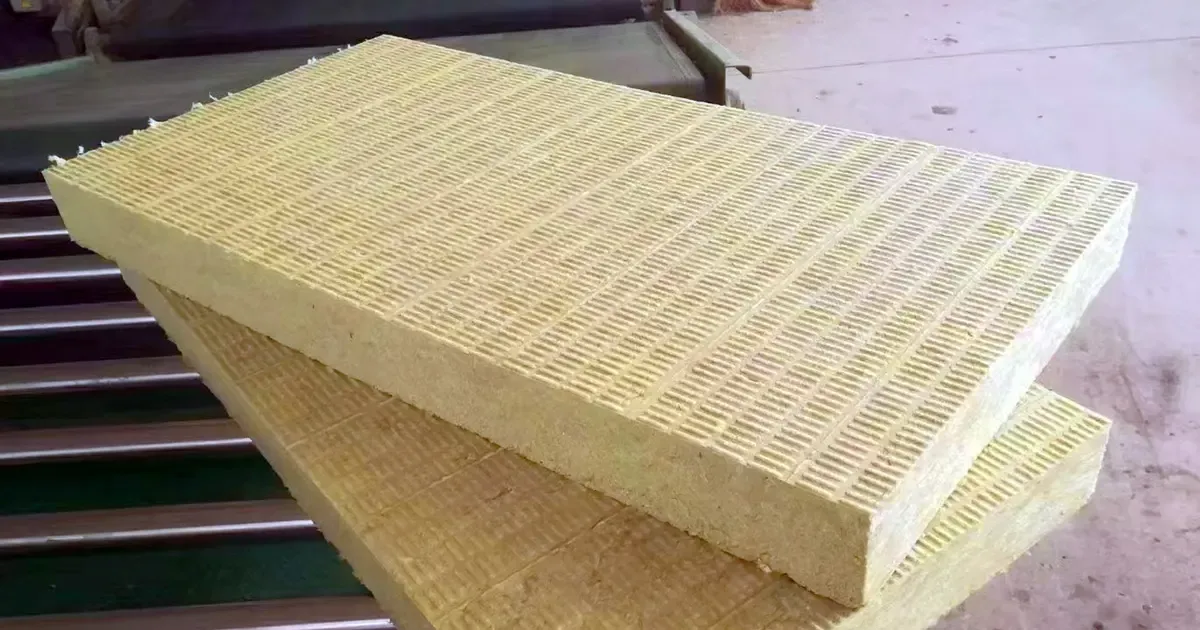
What This Guide Covers
Choosing the right pyrogel insulation thickness is mostly a table-lookup plus a quick calculation — not a materials-science debate. This manual gives you a ready-to-use thickness chart by operating temperature and pipe diameter, the calculation method behind it, corrosion-under-insulation (CUI) adjustments, layering logic, and the single-vs-double economic breakpoint. It is written for plant engineers, EPC specifiers and procurement teams who need a defensible number, fast.
Note on terminology: "pyrogel" is the phrase most buyers search for, and it correctly describes a family of pyrogel-type aerogel flexible blankets. This guide treats them generically as aerogel-type insulation and does not endorse any single brand.
Pyrogel Insulation Thickness Chart
Use the table below as a first-pass selection. Values are typical thickness ranges (mm) of aerogel-type blanket needed to hold a target surface temperature on clean, bare pipe.
| Operating Temp | DN50 (2") | DN100 (4") | DN150 (6") | DN200 (8") |
|---|---|---|---|---|
| 150 °C | 5–8 | 6–10 | 8–12 | 10–14 |
| 300 °C | 8–12 | 10–15 | 12–18 | 14–20 |
| 500 °C | 12–18 | 15–22 | 18–26 | 20–30 |
| Cryogenic –196 °C | 18–24 | 22–28 | 25–32 | 28–36 |
Two rules of thumb fall straight out of the chart:
- Thickness rises with temperature. Every 200 °C step adds roughly 4–8 mm for the same pipe.
- Thickness falls as pipe diameter grows. A larger pipe has more surface area per unit length, so the same heat-flow limit needs less insulation depth.
These are starting points. Always verify against the two hard limits in the next section before you release a specification.
How to Read the Chart (and the Two Limits That Override It)
The chart assumes a standard target: external surface temperature at or below about 50 °C for personnel protection, and heat loss within the project energy code.
- Surface-temperature limit. If the calculated surface runs hotter than 50 °C, add thickness in 2–3 mm steps until it drops below the limit. This overrides the chart.
- Energy-code limit. Some projects specify a maximum heat-loss rate (W/m). When that is the binding constraint — common on long, hot lines — the chart value is often too thin and you step up one pipe-size column.
For the underlying material-property inputs (conductivity by temperature, density, fire class), see our pipe insulation materials guide.
Thickness Calculation Method
When you need an exact number rather than a chart estimate, use the thermal-resistance method.
For flat surfaces:
δ = R × λ
For pipes, the resistance of a cylindrical layer is:
R = ln((D + δ) / D) / (2π × λ)
where:
- δ = insulation thickness (m)
- λ = thermal conductivity of the aerogel-type material (W/m·K)
- D = pipe outer diameter (m)
- R = required thermal resistance (m²·K/W), derived from the temperature drop you must achieve
Worked example. DN100 pipe (D ≈ 0.11 m), process temperature 300 °C, ambient 25 °C, target surface ≤ 50 °C. With a representative aerogel-type conductivity of about 0.020 W/m·K, the required aerogel-type thickness lands near 10–15 mm — a fraction of the depth a conventional fibrous blanket would need for the same resistance. For the direct side-by-side with mineral wool on pipes, our pyrogel vs mineral wool pipe insulation guide works through the numbers.
Keep the comparison clean: this article is a selection manual, not a cost-versus write-up. The broader cost framework sits in our aerogel insulation thickness and cost guide.
CUI Thickness Logic
Corrosion under insulation is the quiet killer of piping systems in coastal, offshore and chemical plants. Aerogel-type blankets help because they are hydrophobic (water uptake typically well below 1 %) and breathable, so moisture does not pool against the steel.
Thickness adjustments for CUI risk:
- Add ~30 % to the minimum thermal thickness in high-risk zones (NACE Class 4 — coastal, cyclic-wet, chemical). The extra depth preserves the dew-point margin after any micro-leak.
- Vibration and mechanical-load areas (pumps, compressors, supports) take the upper end of the chart range — roughly 10–20 mm — to resist compaction.
- No separate vapor barrier is usually required when the aerogel-type layer is hydrophobic and the cladding is intact, which removes a common CUI entry path.
The economic upside is large: a hydrophobic aerogel-type system typically needs roughly one-quarter the inspection and re-wrap frequency of a wetted fibrous system over a 15-year life.
Multi-Layer Composite Thickness Allocation
On most projects the optimum is not "all aerogel" but "aerogel where it earns its cost." Use aerogel-type as the core insulation layer and pair it with a structural, fire-rated conventional layer.
Recommended thickness splits (aerogel-type share of total):
| Outer Pairing | Aerogel-Type Share | Conventional Share |
|---|---|---|
| Rock wool | 25–30 % | 70–75 % |
| Glass wool | 20–25 % | 75–80 % |
| Calcium silicate | 15–20 % | 80–85 % |
The logic is thermal-resistance addition: total R = R_aerogel + R_conventional. You put the thin, low-λ layer on the hot side where it contributes the most resistance per millimetre, and the cheaper layer on the outside for structure, impact resistance and fire rating. Keep the aerogel-type share inside the ranges above; pushing it much higher usually costs more than it saves unless the system is severely space-limited.
Example. A DN100, 300 °C line needing total R ≈ 1.05 m²·K/W: ~10 mm aerogel-type (R ≈ 0.50) plus ~40 mm rock wool (R ≈ 0.55) reaches the target. Swapping to 100 % aerogel-type would need ~21 mm — more expensive per metre yet offering little extra resistance once the conventional share is already small.
Single-Layer vs Double-Layer Economic Breakpoint
Whether to run a single aerogel-type layer or a composite comes down to one number: the aerogel-type share of total thickness at the economic crossover.
- High temperature (>300 °C): single-layer aerogel-type wins once its share passes about 30 % of total thickness; below that, a composite is cheaper.
- Mid temperature (150–300 °C): the breakpoint is about 25 %.
- Low temperature (<150 °C): the breakpoint is about 20 %.
Why the breakpoint exists: aerogel-type material costs more per mm than the conventional pairing, but it also costs less to install per mm of equivalent resistance. Above the crossover, the saved installation volume outweighs the higher material price. Below it, adding the conventional layer is the cheaper route to the same R. For the full cost model and payback math, see the aerogel insulation thickness and cost guide.
Quick Selection Checklist
- Record the operating temperature and pipe outer diameter.
- Read the chart for the matching row/column.
- Apply the CUI add-on (+30 % in coastal/chemical zones; upper range in vibration areas).
- Check the two limits — surface ≤50 °C and energy-code heat loss. Step up if either binds.
- Pick single vs composite using the economic breakpoint above.
- Confirm the product form — blanket for pipes and irregular shapes, board for flat equipment and walls.
Product Forms
Pyrogel-type performance is delivered in two main forms on this site:
- Nano aerogel insulation blanket — flexible wrap for pipes, valves and complex geometry.
- Nano insulation board — rigid panel for equipment casings and flat surfaces.
For cryogenic service the same selection logic applies with the bottom row of the chart; our cryogenic pipe insulation guide covers system-level design.
Explore flexible aerogel and microporous insulation options in our aerogel insulation guide.
Frequently asked
What thickness of pyrogel insulation do I need for a 300 °C pipe? +
For a DN100 pipe at 300 °C with a target surface temperature near 50 °C, plan on roughly 10–15 mm of pyrogel-type aerogel blanket. Larger pipes need slightly less per the thickness chart; add about 30 % in coastal or chemical CUI-risk zones.
How do I calculate pyrogel insulation thickness for a specific pipe? +
Use the cylindrical thermal-resistance formula R = ln((D+δ)/D) / (2πλ), solve for δ, then verify against the surface-temperature and energy-code limits. The chart in this guide is the fast approximation of that calculation.
Does pyrogel insulation need a vapor barrier in CUI areas? +
Usually not. Pyrogel-type aerogel blankets are hydrophobic (water uptake well below 1 %) and breathable, so moisture does not pool against the steel. An intact cladding plus the hydrophobic layer removes the main corrosion-under-insulation entry path.
Is single-layer or double-layer aerogel insulation more cost-effective? +
It depends on the aerogel-type share of total thickness. Above roughly 30 % at high temperature, 25 % at mid temperature and 20 % at low temperature, single-layer wins; below those breakpoints a composite with rock wool or calcium silicate is cheaper for the same resistance.
Can pyrogel-type aerogel be used for cryogenic service? +
Yes. The same selection logic applies below ambient — use the cryogenic row of the thickness chart (about 22–36 mm for pipes at –196 °C) and follow the system-level design in our cryogenic pipe insulation guide.
Request a quote
Interested in our insulation solutions? Send us your requirements and our team responds within one business day.