
Is Glass Wool Blanket Waterproof? (A1 + Hydrophobic)
Glass wool blanket is hydrophobic by nature but not a waterproofing membrane. Here is where it works, where it fails, and how it compares to rock wool in damp plant rooms.
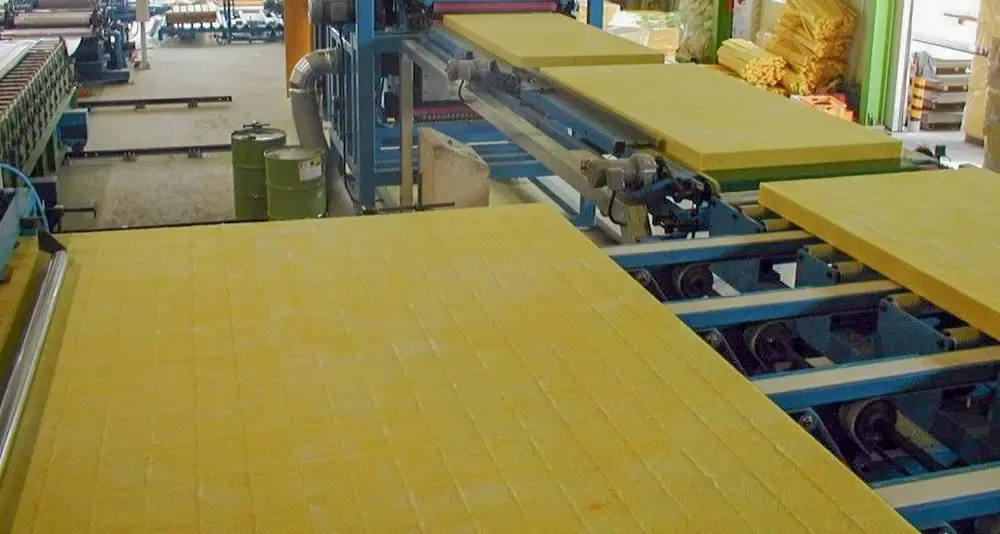
A waterproof glass wool blanket — in the membrane sense — does not exist. Glass wool blanket is hydrophobic by nature but not "waterproof" in the absolute sense. The glass fibers themselves do not absorb water, and most industrial grades are treated with a water-repellent additive — so the blanket shrugs off rain and condensation during storage and install. But the resin binder and trapped air gaps mean it should not sit submerged or face constant driving rain without a weatherproof jacket.
Why Glass Wool Resists Water
The fibers are spun from molten glass, which is inherently non-absorbent. Combined with a hydrophobic treatment, a quality glass wool blanket typically shows less than 1% water uptake by volume (short-term immersion, per EN 1609). That is why you see it specified on roofs, HVAC ducts, and plant pipework in humid environments.
When It Is NOT Enough
- Outdoor, unsheltered: UV and rain degrade the binder over time. Use a PVC or aluminium jacketing, or a dedicated outdoor grade.
- Below-grade or submerged: glass wool is not a waterproofing layer — waterproofing belongs to a separate membrane.
- High humidity plus heat: above about 400°C the binder chars. Glass wool is capped at 400°C service temperature anyway (operating range −120°C to 400°C).
Glass Wool vs Rock Wool in Wet Areas
Both are A1 non-combustible. Rock wool is naturally more water-repellent and holds its shape better when wet, which is why specifiers often pick rock wool blanket for genuinely damp plant rooms. For most dry-to-moderate indoor HVAC and equipment, glass wool blanket is the lighter, cheaper choice.
Quick Spec Recap
- Classification: Euroclass A1 non-combustible
- Service temperature: −120°C to 400°C
- Thermal conductivity: about 0.036 W/m·K
- Water uptake: under 1% by volume (treated grade)
See the full glass wool insulation guide for product ranges and application notes.
Discover our building and facade insulation applications for external walls, facades, and roofing envelopes.
Frequently asked
Is glass wool blanket waterproof? +
Not fully. The fibers are hydrophobic and treated grades repel water (under 1% uptake by volume), but it is not a waterproofing membrane and needs jacketing outdoors or in sustained wetness.
Does glass wool absorb water? +
Bare glass fibers do not absorb water; the hydrophobic treatment keeps uptake under about 1% by volume. The resin binder, not the glass, is the weak point under sustained wetness.
Can glass wool be used outside? +
Only with a weatherproof jacket (metal or PVC) or as a designated outdoor grade. UV and rain break down the resin binder over time.
Glass wool or rock wool in damp plant rooms? +
Rock wool is naturally more water-repellent and holds its shape when wet; glass wool wins on weight and cost for dry-to-moderate indoor use.
Request a quote
Interested in our insulation solutions? Send us your requirements and our team responds within one business day.