
Calcium Silicate in Cement Industry: Applications, Benefits & Technical Guide
Calcium silicate insulation cuts cement kiln heat loss 25% and lowers shell temp 30-40C. Explore board, fiber & composite applications for preheaters, calciners and kiln seals.
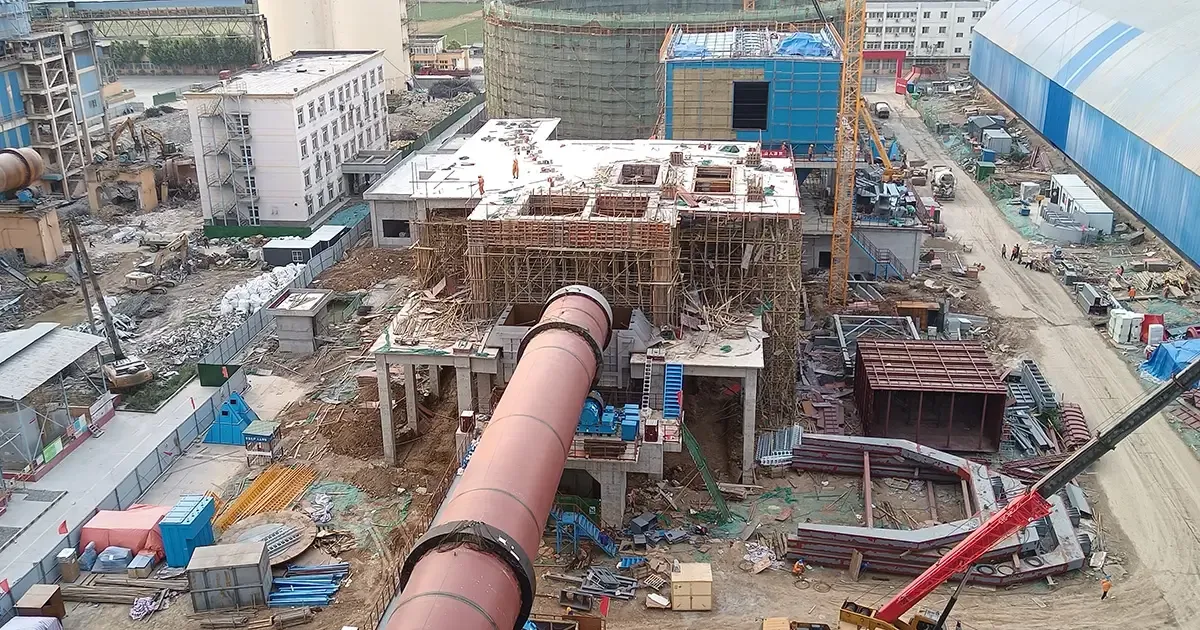
Calcium silicate has become an indispensable refractory insulation material in the cement industry, where rotary kilns reach 1450C during clinker formation. Backed by low thermal conductivity (0.035-0.065 W/(m·K)), A1 fire rating and service temperatures up to 1050C, calcium silicate boards, fiber composites and engineered composites now replace traditional high-energy insulation across preheaters, calciners, kiln seals and tertiary air ducts — cutting shell heat loss by over 25% and reducing coal consumption by 0.3-0.5 kg per tonne of clinker.
Calcium Silicate Refractory: Properties & Classification
Calcium silicate refractories are inorganic materials formed through hydrothermal reactions that generate tobermorite (180C) and xonotlite (215C) crystal structures. Based on form and application, they fall into three categories used throughout modern cement plants.
1. Calcium Silicate Board
The most widely used form in cement plants. The HCS-20 grade is the mainstream product for high-temperature kiln zones, combining high temperature resistance, strength and low conductivity. Key specifications:
- Temperature resistance: continuous service up to 1050C, short-term peak 1200C
- Thermal conductivity: 0.035-0.065 W/(m·K) at 100C, rising gradually with temperature without sharp increase
- Mechanical strength: compressive strength >=0.55 MPa, flexural strength >=0.33 MPa, excellent impact resistance
- Dimensional stability: linear shrinkage <=2% after 3h at 1000C, stable under long-term high temperature
- Density range: 200-450 kg/m³, available in low (1.0-1.2), medium (1.2-1.4) and high (1.4-1.5 g/cm³) density grades
2. Calcium Silicate Fiber Composites
Used for high-temperature sealing and flexible insulation, primarily in kiln head and tail seal assemblies paired with heat-resistant steel lamella to form an integrated wear-resistant, insulating, anti-corrosion sealing system. Specifications:
- Temperature resistance: 800-1000C, special grades up to 1200C
- Thermal conductivity: 0.045-0.050 W/(m·K), lower than standard ceramic fiber
- Tensile strength:>=500 N (10mm packing), resists fracture under high temperature
- Sealing performance: leakage rate <=5 mL/min·m at 800C, down to <=3 mL in specific conditions
- Thermal shock resistance: withstands frequent kiln start-stop cycles
3. Calcium Silicate-Based Composites
Next-generation materials combining calcium silicate with solid waste or mineral additives to meet specialized kiln demands while cutting natural resource consumption and carbon emissions:
- Solid-waste based: incorporates fly ash and slag at 73%+, thermal conductivity as low as 0.042 W/(m·K)
- High-strength refractory: C2S-C3S composite system, compressive strength 165-170 MPa for high-load kiln zones
- Fiber-reinforced: calcium aluminate fiber board, flexural strength >=9 MPa, combining strength and insulation
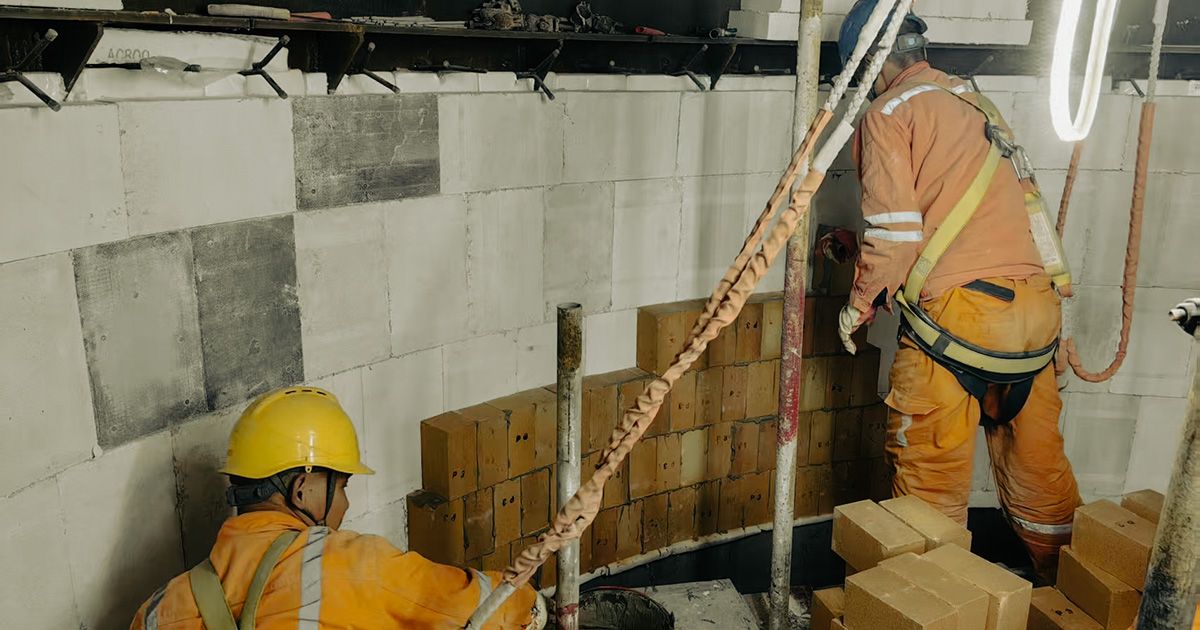
For the material behind those classifications — how calcium silicate insulation is made, what the two temperature grades mean, and the full property table — see our calcium silicate insulation grades and properties guide.
Key Application Areas in Cement Plants
Preheater System
Preheaters operate at 900-1250C and face alkali salt penetration, thermal shock and abrasion. Calcium silicate boards serve as backup insulation in:
- Five-stage cyclone tubes — paired with high-alumina brick to cut heat loss and boost heat exchange
- Meal pipes — external wall insulation preventing heat dissipation
- Riser ducts (especially stage 3-2) — isolation to reduce shell radiation
- C5 meal pipe and slope — combined with anti-coating castable in the highest coating-risk zone
Result: shell surface temperature drops 30-40C and heat loss falls by over 25%, measurably improving thermal exchange efficiency.
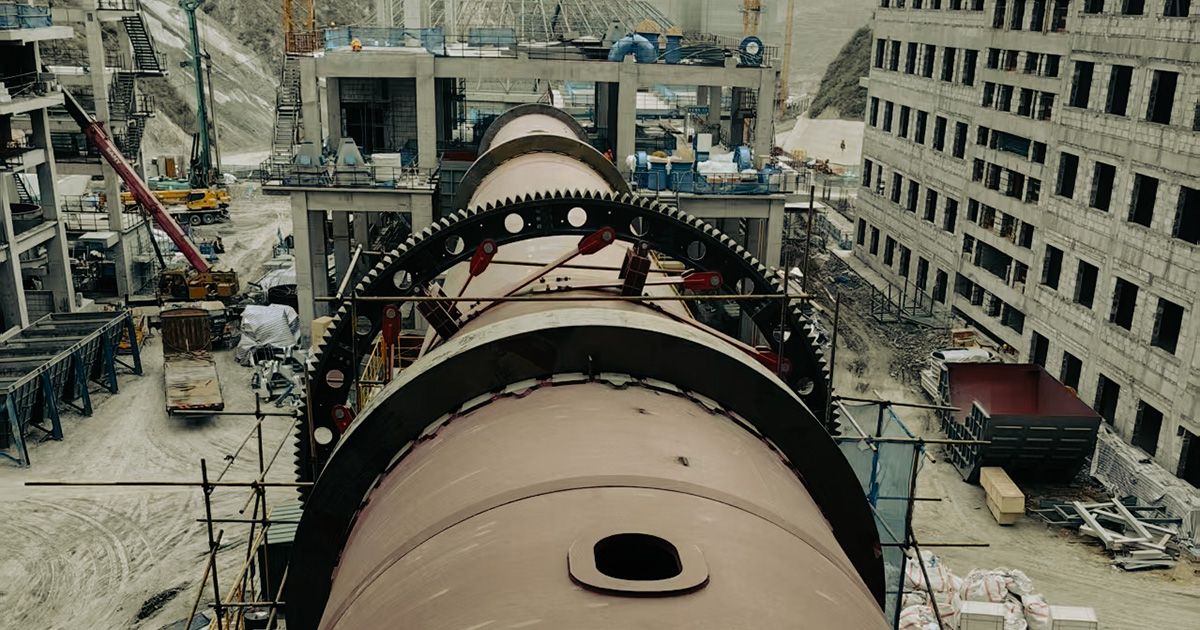
Calciner System
The calciner runs at 1000-1300C under corrosive gas and heavy dust loads. Calcium silicate boards pair with low-cement high-alumina castable in:
- Calciner inner lining — improved insulation and extended service life
- Gooseneck pipe — external insulation reducing heat loss
- Kiln tail gas chamber — paired with refractory brick to stabilize combustion
Properly applied calcium silicate in the calciner improves thermal regime and lowers coal consumption by 0.3-0.5 kg per tonne of clinker.
Kiln Head & Tail Sealing
Kiln head and tail are the highest air-leakage zones. Traditional fish-scale seals suffer short service life and poor sealing. Modern solutions using calcium silicate fiber composites include:
- Dual-flexible seal: fiber composite as intermediate insulation layer with heat-resistant steel lamella
- Three-layer seal: wear layer + calcium silicate insulation + protection layer, service life 2-3+ years
- Kiln hood seal: calcium silicate board preventing hot gas escape
The impact is significant: air leakage drops from the traditional 8%-15% down to 0.5%-1%, directly improving combustion efficiency and reducing both coal and power consumption.
Tertiary Air Duct
Connecting the kiln head to the preheater, the tertiary air duct carries high-temperature, high-velocity gas that demands excellent abrasion and temperature resistance. Calcium silicate boards pair with high-strength alkali-resistant brick in straight pipe and wall sections to improve insulation and structural stability.
Why Cement Plants Choose Calcium Silicate
- Energy savings: low thermal conductivity (0.035-0.065 W/(m·K)) cuts heat loss and fuel use
- Long service life: <=2% shrinkage at 1000C maintains performance over years of continuous operation
- Structural protection: shields kiln shell and steelwork from thermal stress and deformation
- Asbestos-free and safe: 100% non-asbestos, non-toxic, sulfur- and chlorine-free, compliant with international standards
- Easy installation: lightweight, cut to shape with standard tools, available in board and block formats
Conclusion
Calcium silicate insulation has become a proven backbone of cement plant thermal systems. From preheater cyclones to kiln seals, its combination of low conductivity, high-temperature stability and mechanical strength delivers measurable gains in energy efficiency, equipment life and emissions reduction. With over 40 years of manufacturing experience since 1982 and ISO 9001 certification, Rosetexwool supplies calcium silicate boards, blocks and fiber composites engineered for the demanding conditions of modern cement production. Contact our technical team for specification and pricing.
Related Reading
For a deeper dive into forms, temperature ratings, and application guides, see our ceramic fiber insulation hub.
Frequently asked
What temperature can calcium silicate board withstand in cement kilns? +
Calcium silicate boards for cement plants offer continuous service up to 1050C with short-term peak tolerance to 1200C. The HCS-20 grade is the mainstream choice for high-temperature kiln zones, maintaining dimensional stability with <=2% linear shrinkage after 3 hours at 1000C.
How much energy does calcium silicate insulation save in cement plants? +
In preheater systems, calcium silicate board insulation reduces shell surface temperature by 30-40C and cuts heat loss by over 25%. In calciner applications, coal consumption drops by 0.3-0.5 kg per tonne of clinker. Modern three-layer kiln seals using calcium silicate fiber composites lower air leakage from 8-15% down to 0.5-1%.
Where is calcium silicate used in a cement plant? +
Calcium silicate is used across the cement plant thermal system: preheater cyclones and meal pipes, calciner inner lining and gooseneck, kiln head and tail sealing assemblies, tertiary air ducts, and clinker cooler walls. It serves as backup insulation behind the primary refractory lining to maintain safe shell temperatures.
Request a quote
Interested in our insulation solutions? Send us your requirements and our team responds within one business day.