
Iron & Steel
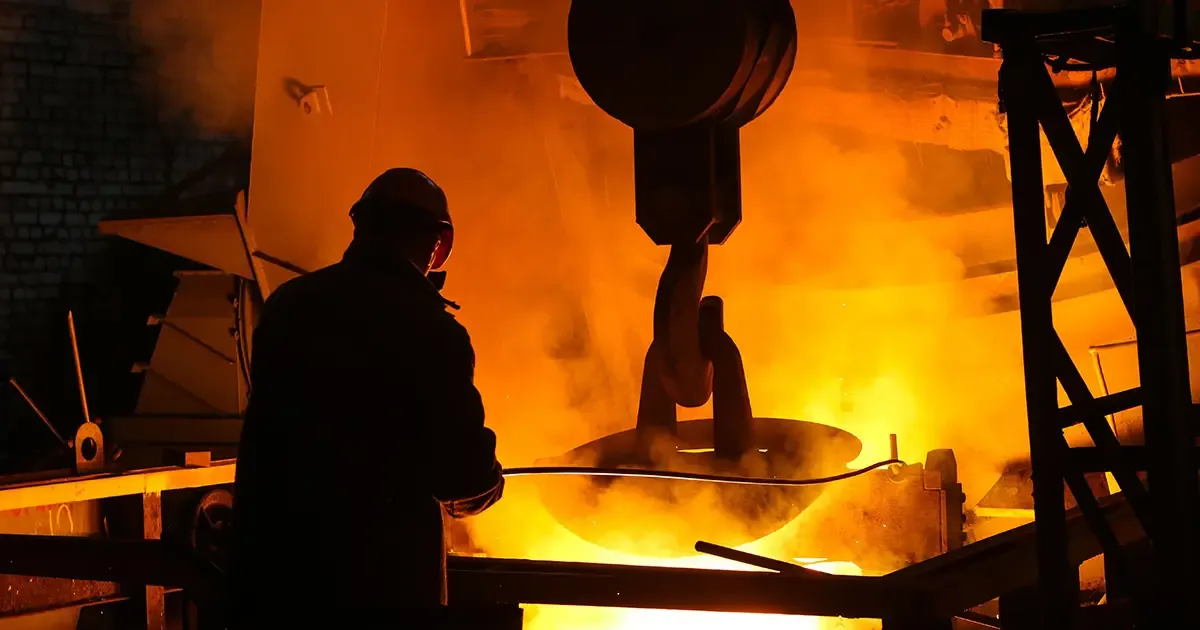
Steel production temperatures reach up to 1600°C. Thermal insulation refractory materials are critical to protecting equipment, reducing energy waste, and ensuring consistent output in blast furnaces, hot blast stoves, ladles, tundishes, and reheat furnaces.
Overview
Steel production is one of the most thermally demanding industrial processes on earth, with temperatures exceeding 1600°C in blast furnaces and BOF converters. Insulation refractory materials are critical for protecting equipment, reducing energy waste, and ensuring consistent production output.
Rosetexwool supplies a comprehensive range of refractory and insulation products for the iron and steel industry. From blast furnace stove checker bricks and hot blast main linings to tundish covers, ladle pre-heater lids, and reheat furnace linings, our materials deliver performance across every stage of steelmaking.
Application Scenarios
Typical Iron & Steel Application Scenarios
Iron and steel plants run some of the hottest equipment in any industry. From the blast furnace hearth to the continuous caster, every thermal unit needs a lining strategy that balances heat retention, shell-temperature control, and worker safety. Below are the most common iron and steel insulation scenarios we engineer solutions for.
Blast Furnace & Hot Blast Stove Linings
The hot blast stove dome and checker chamber operate at 1200-1350°C. We line these zones with high-purity ceramic fiber modules (HP/HA grade) backed by insulating firebrick (IFB) to cut shell temperature while resisting repeated thermal cycling.
Ladle, Tundish & Torpedo Car Linings
Molten iron and steel transfer vessels demand linings that hold temperature between treatments and reduce skull formation. Ceramic fiber and lightweight refractory back-up layers keep the vessel shell within safe limits and improve turnaround time.
Reheat & Annealing Furnace Linings
Walking-beam reheat furnaces and bell-type annealing furnaces run continuously above 1200°C. Modular ceramic fiber wall and roof linings deliver low heat storage, fast heat-up, and major fuel savings versus dense brick.
Molten Metal Transfer Pipe Insulation
Pipes carrying molten metal and slag are insulated with ceramic fiber blanket and rigidized modules that withstand extreme process temperatures and minimize heat loss on the runout.
Waste Heat Recovery Duct Insulation
Recuperators and waste-heat recovery ducts see frequent start-stop and thermal-shock conditions. Ceramic fiber materials with strong thermal-shock resistance protect the duct shell and improve overall plant energy recovery.
Furnace Wall, Shell & Door Insulation
For furnace walls and outer shells operating at 600°C and above, calcium silicate board and shaped pieces provide high compressive strength and dimensional stability. Custom calcium silicate door liners follow the exact furnace-door contour for a tight, durable fit.
Material Selection Logic
We typically specify ceramic fiber for zones above 800°C (linings, modules, pipes), calcium silicate for structural and high-load zones at 600-1000°C, and pair both with rock wool in lower-temperature or personnel-protection areas. This staged approach keeps shell temperatures, energy use, and maintenance intervals under control.
Related Articles
Related Applications
Steelmaking involves extreme heat at furnaces, ladles, and reheating zones. Related high-temperature process applications:
- Cement kiln insulation for cement kiln high-temperature insulation
- Power generation insulation for power-plant boiler insulation
- Petrochemical insulation for process heat insulation
- Concentrated solar power insulation for solar thermal storage
Why Rosetexwool
Key Benefits
Why Iron & Steel operations choose Rosetexwool insulation solutions.
Energy Cost Reduction
Efficient furnace linings reduce fuel consumption in continuous steelmaking operations.
Extended Campaign Life
Low-shrinkage ceramic fiber modules maintain lining integrity through repeated thermal cycles.
Faster Turnaround
Rapid installation of pre-assembled modules shortens furnace reline downtime.
Consistent Product Quality
Uniform furnace temperatures enabled by reliable insulation lead to consistent steel chemistry.
Support
Frequently asked questions
What insulation do you recommend for hot blast stove domes? +
We recommend high-purity ceramic fiber modules (HP or HA grade) with IFB backup for hot blast stove domes operating at 1200-1350°C. Our engineers can help calculate lining thickness based on your target shell temperature and operating conditions.
Do your ceramic fiber products withstand reducing atmospheres? +
Our standard ceramic fiber products perform well in oxidizing and neutral atmospheres. For strong reducing atmospheres (e.g., hydrogen-rich environments), we offer specially formulated products with controlled organic content. Please contact us to discuss your specific atmosphere conditions.
Can you provide pre-assembled modules with anchors? +
Yes, we supply pre-assembled ceramic fiber modules with stainless steel (304/310/Inconel) anchor systems. Specify your furnace shell material and operating temperature for anchor recommendations.
Ready to start? Tell us your specs — we'll quote within 24 hours.
Get pricing
Request a quote for Iron & Steel solutions
Tell us about your iron & steel project requirements — our team responds within one business day.